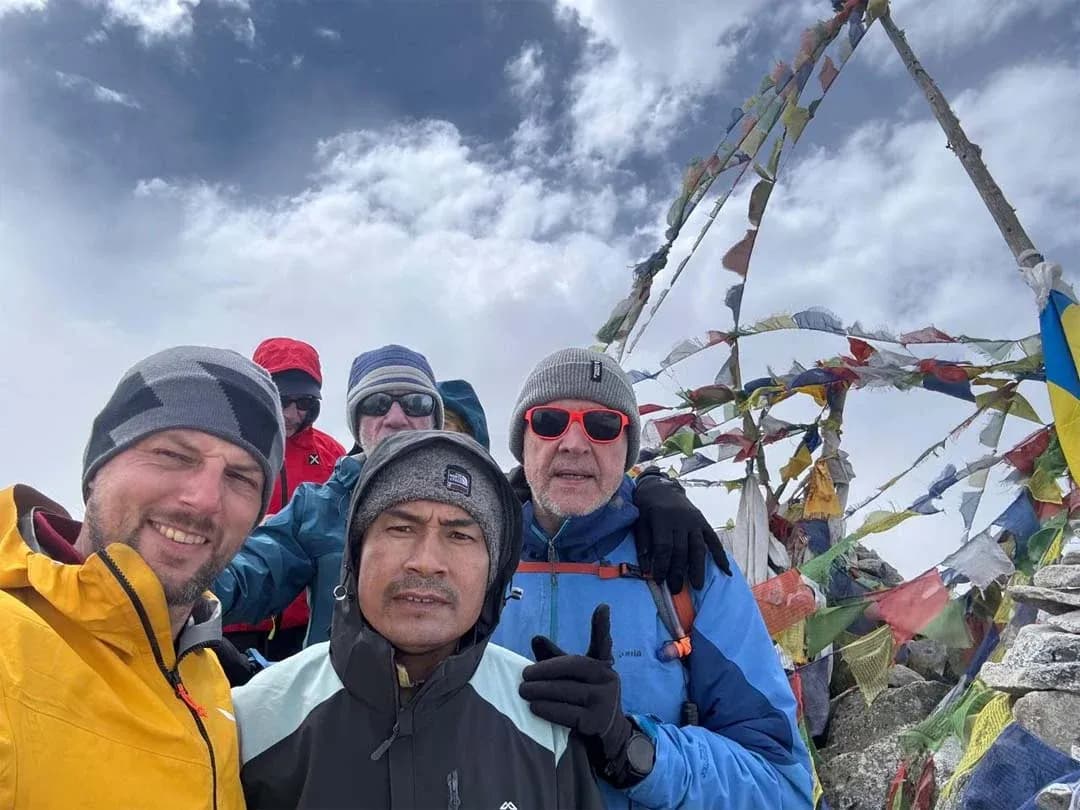
Quick Answer: When Is the Best Time to Visit Nepal?
For clear skies, perfect mountain views, and ideal trekking conditions:
👉 October–November and March–April
For quieter travel, budget-friendly options, and lush green landscapes:
👉 June–September or December–February
Below, we’ll break down each season in detail, including weather, trekking conditions, festivals, travel tips, and practical advice.
Autumn (September–November): Nepal’s Prime Season
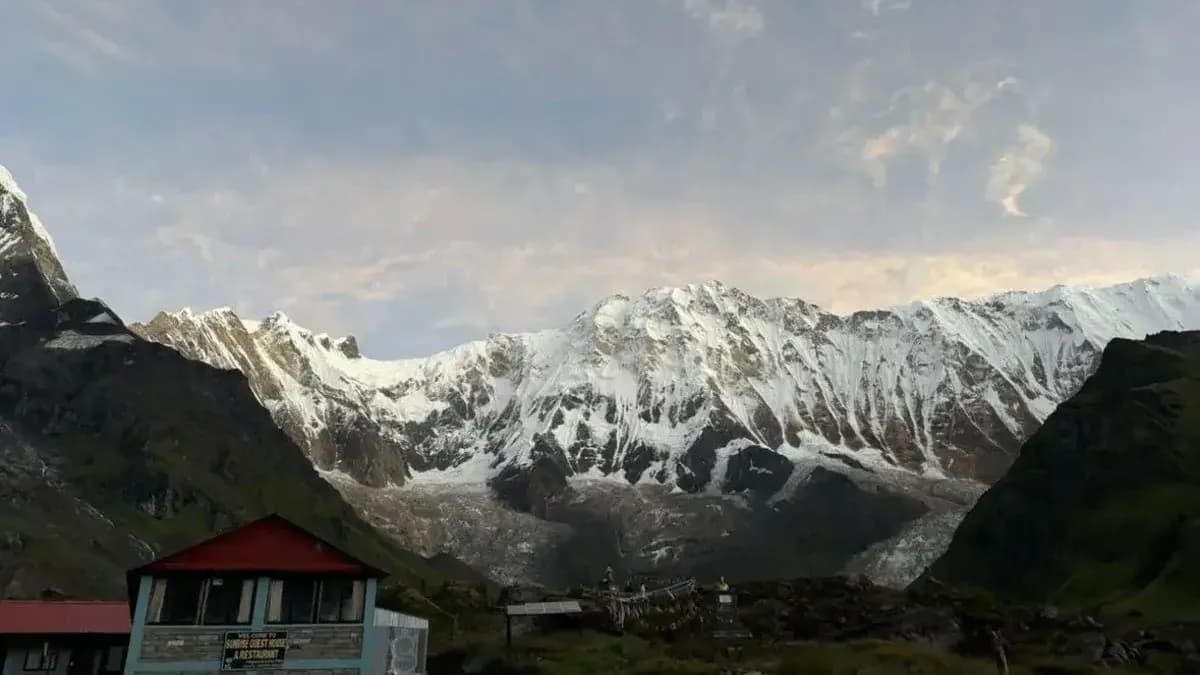
Autumn is widely regarded as the best time to visit Nepal. After the monsoon, the air is crisp, skies are clear, and mountains stand out in all their glory. Trails are dry, wildlife is active, and cultural festivals bring vibrant local experiences. This season offers ideal conditions for trekking, sightseeing, and photography.
Weather
Temperature: Warm days (20–25°C / 68–77°F) and cool nights (10–15°C / 50–59°F) in the hills
Conditions: Clear skies, excellent mountain visibility, low humidity
Special Note: Photographers will love snow-capped peaks against brilliant blue skies
Trekking Conditions
Trails are stable and dry, suitable for both beginner and experienced trekkers, popular trekking routes include:
Everest Base Camp: Breathtaking views of the world’s highest peak
Annapurna Circuit & Base Camp: Mild weather and lush landscapes
Langtang, Manaslu, Mardi Himal: Quieter trails with stunning scenery
Cultural Festivals
Dashain: Nepal’s largest festival with family gatherings, animal blessings, and traditional rituals
Tihar (Deepawali): Festival of lights; homes are decorated and animals honored
Indra Jatra: Celebrated in Kathmandu with chariot processions, traditional dances, and masked performances
Travel Tips
- Book flights and accommodations early, as this is Nepal’s busiest season
- Pack layered clothing: warm days and cooler nights
- Sunscreen, hats, and sunglasses are essential for trekking
Regional Highlights
Kathmandu Valley: Ideal for sightseeing and cultural tours
Pokhara: Lakeside relaxation and adventure sports like paragliding
Chitwan & Bardia: Excellent wildlife safaris and animal spotting
Everest, Annapurna, Langtang. Manaslu & other regions: Perfect trekking conditions with clear skies, dry trails, and breathtaking Himalayan views
Spring (March–May): Blooming Rhododendrons & Pleasant Weather
Spring is a favorite season for nature lovers and trekkers. Rhododendron forests bloom in vibrant colors, wildlife becomes more active, and temperatures are comfortably warm, making it ideal for trekking, sightseeing, and cultural exploration.
Weather
Temperature: 15–25°C (59–77°F) in the hills; slightly warmer in lowlands
Conditions: Mostly sunny, with occasional haze in late April
Air Quality: Clear mornings perfect for photography
Trekking Conditions
- Trails are in excellent condition with moderate crowds
- Blooming forests along routes in Langtang, Annapurna, Everest, and Manaslu regions
- Wildlife is more visible in Chitwan and Bardia
Festivals
Holi: Festival of colors, celebrated with music, dancing, and water fights
Shivaratri: Major Hindu festival at Pashupatinath Temple
Bisket Jatra: New Year celebrations in Bhaktapur with chariots and rituals
Travel Tips
- Carry sunscreen and sunglasses for high-altitude treks
- Morning photography is ideal before haze develops
- Perfect for trekking, sightseeing, wildlife safaris, and cultural exploration
Regional Highlights
Kathmandu & Bhaktapur: Colorful festival celebrations and historic architecture
Pokhara: Lakeside strolls and adventure sports
Everest, Annapurna, Langtang Manaslu & other regions: Excellent trekking weather across all routes, with blooming forests, clear skies, and peaceful trails
Monsoon (June–September): Lush Green Landscapes & Tranquility
The monsoon season in Nepal is often skipped by tourists, but it has unique charms. Hillsides turn vibrant green, waterfalls swell, and trekking trails become peaceful and quiet. Crowds vanish, and prices drop, making it an ideal time for a serene, budget-friendly visit.
Weather
Temperature: 25–30°C (77–86°F) in the lowlands; cooler in mountains
Rainfall: Afternoon or evening showers are common; mornings can be clear
Humidity: High, especially in the plains and lowlands
Trekking Conditions
Popular trails like Everest Base Camp and the Annapurna Circuit can become slippery during the monsoon. The best trekking options are in rain-shadow areas with minimal rainfall:
Higher sections of Annapurna, Everest, and Langtang regions can be rainier, but they still offer lush scenery, flowing waterfalls, and less crowded paths, making monsoon trekking uniquely peaceful and scenic.
Festivals
Ropain: Rice-planting festival with villagers celebrating in colorful attire
Janai Purnima: Sacred thread changing ceremony
Gai Jatra: Quirky Kathmandu street festival honoring family traditions
Travel Tips
- Domestic flights may be delayed; allow extra travel time
- Perfect for photographers capturing waterfalls, terraced fields, and dramatic skies
- Carry waterproof gear, rain covers, and sturdy trekking shoes
Regional Highlights
Pokhara & Kathmandu: Lush landscapes and rich cultural experiences
Chitwan & Bardia: Wildlife safaris in vibrant, rain-fed jungles
Trekking Regions: Upper Mustang, Upper Dolpo, Nar Phu Valley, Annapurna, Everest, Langtang – ideal for peaceful, scenic hikes
Winter (December–February): Crisp Skies & Tranquil Landscapes
Winter is perfect for travelers seeking peace, clear mountain views, and quiet trails. High-altitude treks can be snowy, but valleys and low-altitude routes remain accessible, offering crisp skies and serene landscapes.
Weather
Temperature: 10–20°C (50–68°F) in valleys; below freezing at higher elevations
Conditions: Clear skies, crisp air, perfect for photography
Snow: Higher mountains and passes may be snow-covered
Trekking Conditions
Low- to mid-altitude treks are ideal during winter. Everest, Annapurna, and Langtang regions offer accessible trails in their lower sections, providing peaceful paths and stunning Himalayan views. Popular treks include Poon Hill, Helambu, and the Annapurna foothills. High passes, such as Thorong La on the Annapurna Circuit, may be closed due to snow.
Festivals
Tamu Lhosar: Gurung New Year festival
Maghe Sankranti: Winter solstice celebration
Sonam Lhosar: Tibetan New Year celebrated by the Tamang community
Travel Tips
- Pack warm clothing, thermals, and down jackets for cold mornings and evenings
- Ideal for photographers capturing crisp mountain landscapes
- Wildlife spotting is good in Chitwan and Bardia national parks
Regional Highlights
Kathmandu Valley: Explore ancient temples without crowds
Pokhara: Lakeside walks and cozy cafés
Everest, Annapurna & Langtang regions: Accessible lower trails with stunning winter scenery
Best Time to Visit Nepal in January
January is a great month to visit Nepal for travelers seeking peaceful travel, clear skies, and crisp winter scenery. It is ideal for sightseeing, wildlife safaris, and low-altitude trekking, though high-altitude trails may be snow-covered.
Weather:
- Kathmandu & Pokhara: 6–16°C (43–61°F), chilly mornings and evenings
- Terai (Chitwan & Bardia): 10–22°C (50–72°F), comfortable for wildlife
- Himalayas: Very cold with snow at higher elevations
Activities:
- Explore Kathmandu Valley and Bhaktapur
- Relax and enjoy lakeside walks in Pokhara
- Go on wildlife safaris in Chitwan and Bardia
- Trek low-altitude routes such as Poon Hill, Helambu, and Annapurna foothills
Advantages :
- Fewer tourists and lower travel costs
- Clear skies and crisp winter air
- Excellent wildlife spotting
Challenges:
- Cold mornings and nights
- High-altitude trekking routes may be inaccessible
Verdict:
January is ideal for cultural exploration, wildlife experiences, and low-altitude trekking, offering a quiet and scenic experience in Nepal.
Best Time to Visit Nepal in September
September is an excellent time to visit Nepal as it marks the end of the monsoon season and the start of autumn. The rains leave the landscapes lush and green, the air is fresh, and mountain views begin to clear, making it ideal for trekking, sightseeing, and wildlife experiences.
Weather:
- Kathmandu & Pokhara: 20–28°C (68–82°F), warm days and cool evenings
- Terai (Chitwan & Bardia): 22–30°C (72–86°F), humid but generally pleasant
- Himalayas: Skies start to clear, offering better visibility of mountain peaks
Activities:
- Trekking: Annapurna Circuit, Langtang, and Everest Base Camp
- Wildlife safaris in Chitwan and Bardia
- Sightseeing in Kathmandu Valley and Pokhara
- Photography: lush post-monsoon landscapes, rivers, and waterfalls
Advantages:
- Lush, vibrant scenery after the monsoon
- Fewer tourists than peak autumn (October–November)
- Opportunities to experience local festivals and culture
Challenges:
- Early September may still see occasional rain
- Some trails can be slippery
Verdict:
September is a perfect shoulder season for trekking, sightseeing, and enjoying Nepal’s natural beauty before the busy peak tourist season.
Practical Travel Tips for Nepal by Season
Gear: Layered clothing, trekking boots, rain jacket (monsoon), warm clothes (winter)
Accommodations: Book early in autumn and spring; consider guesthouses in trekking regions
Transportation: Domestic flights may face delays in monsoon; hire local guides and porters for trekking
Health: Stay hydrated, carry sunscreen, and be prepared for altitude in the mountains
Final Verdict: When Should You Visit Nepal?
Nepal is beautiful year-round, but the best time depends on your priorities:
For clear skies, trekking, and festivals:
👉 October–November, March–April
For quiet trails, budget travel, and green landscapes:
👉 June–September, December–February
For cultural experiences and festivals:
👉 September–November, February–April
From Himalayan peaks to lush jungles and vibrant festivals, planning your visit around Nepal’s seasons ensures the best experiences and memories.