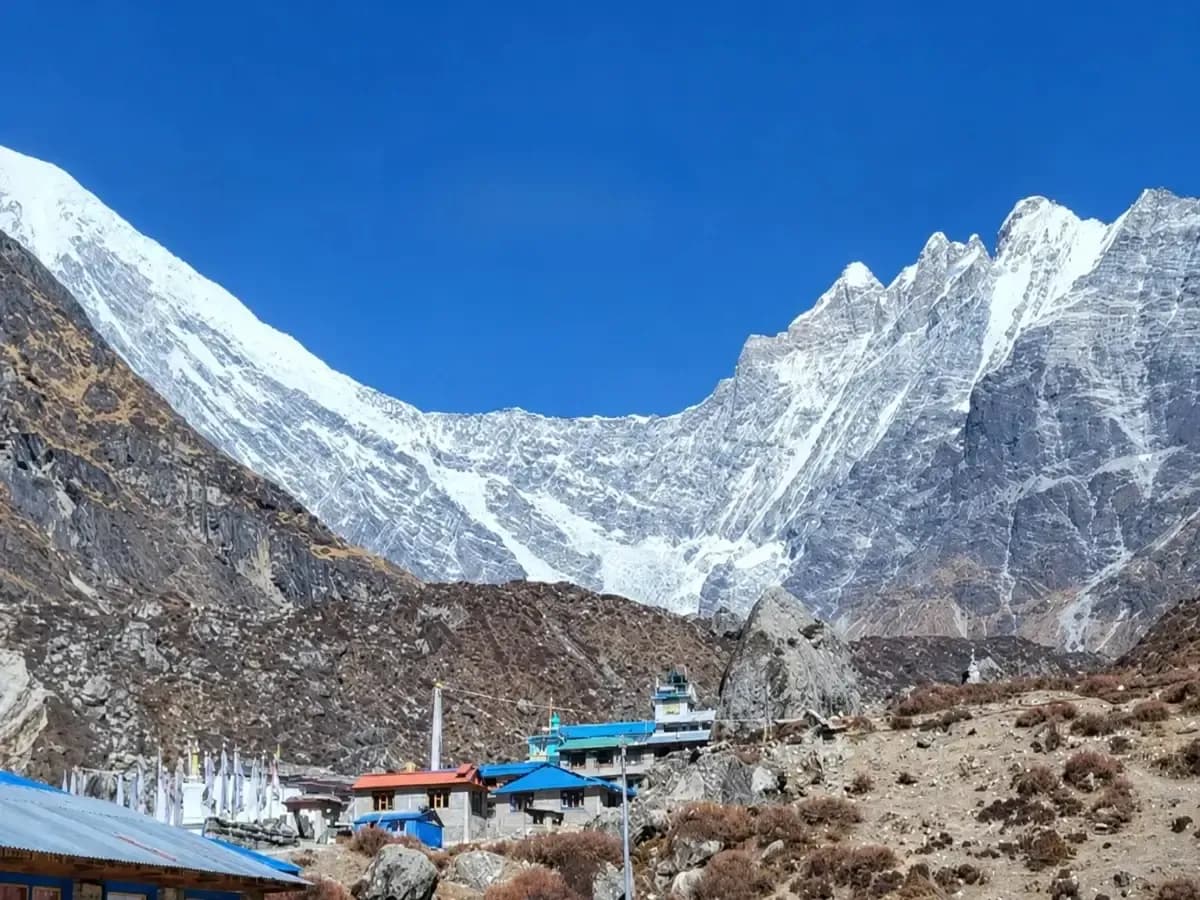
The Langtang Valley Trek is one of Nepal’s most accessible high-altitude trekking routes, starting around 122km north of Kathmandu. The trailhead at Syabrubesi is a 7–8-hour drive from Kathmandu by private jeep and 8-10 hours by local bus.
The Langtang Trek typically takes around 7-11 days to complete, so it's shorter and less crowded than commercial trekking routes like Everest Base Camp and Annapurna Circuit Trek.
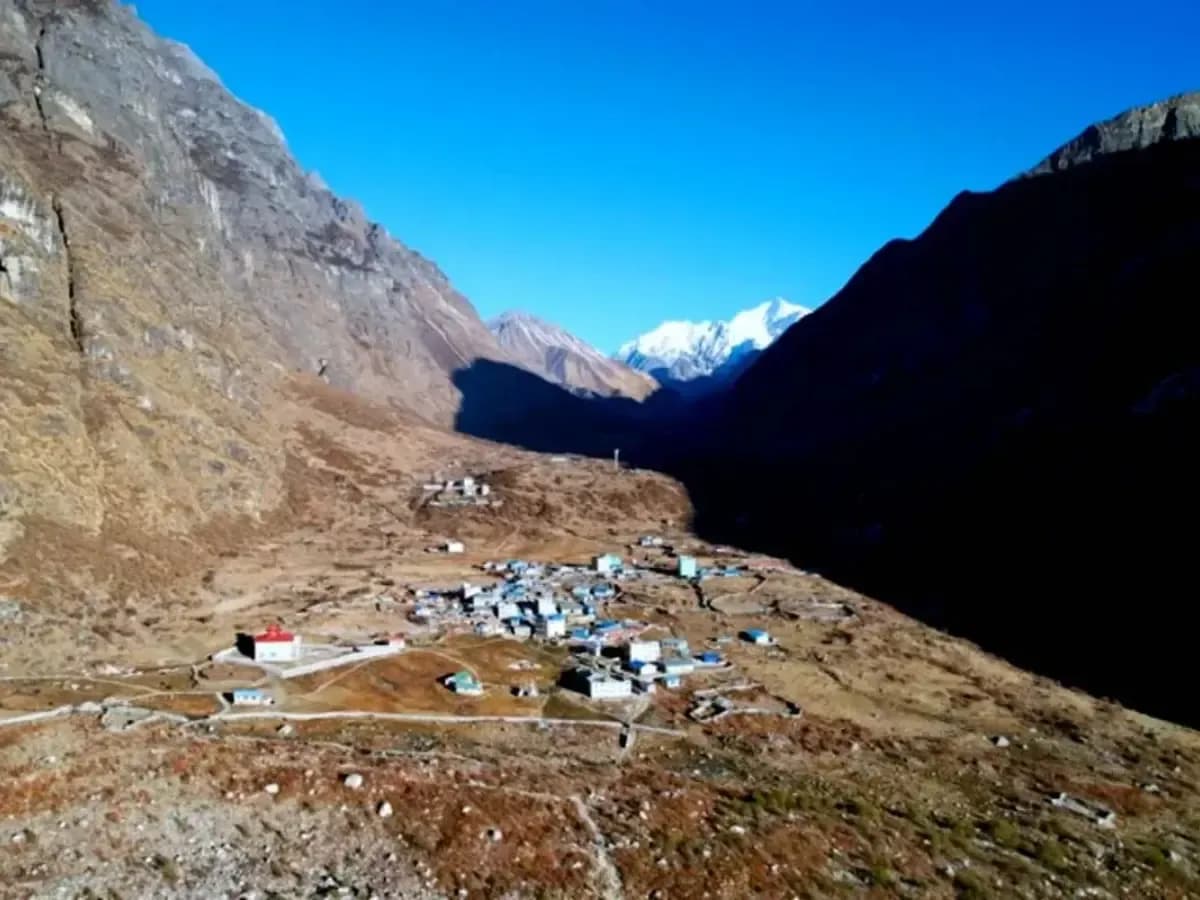
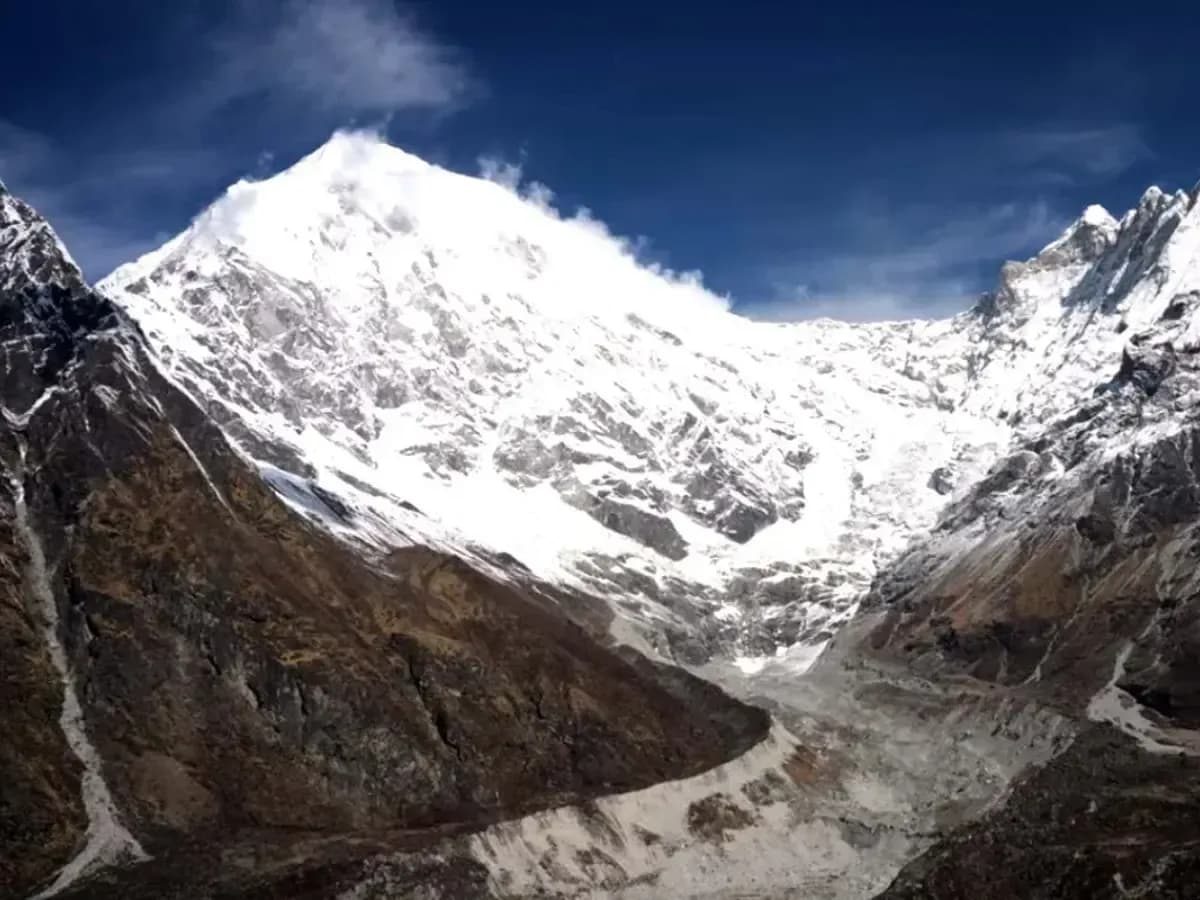
The trail starts through forest, rivers, waterfalls, and bamboo hills before opening into alpine valleys with Tamang villages, monasteries, yak pastures, and glacier-fed rivers. Near Kyanjin Gompa, the landscape becomes rugged and high alpine beneath Langtang Lirung.
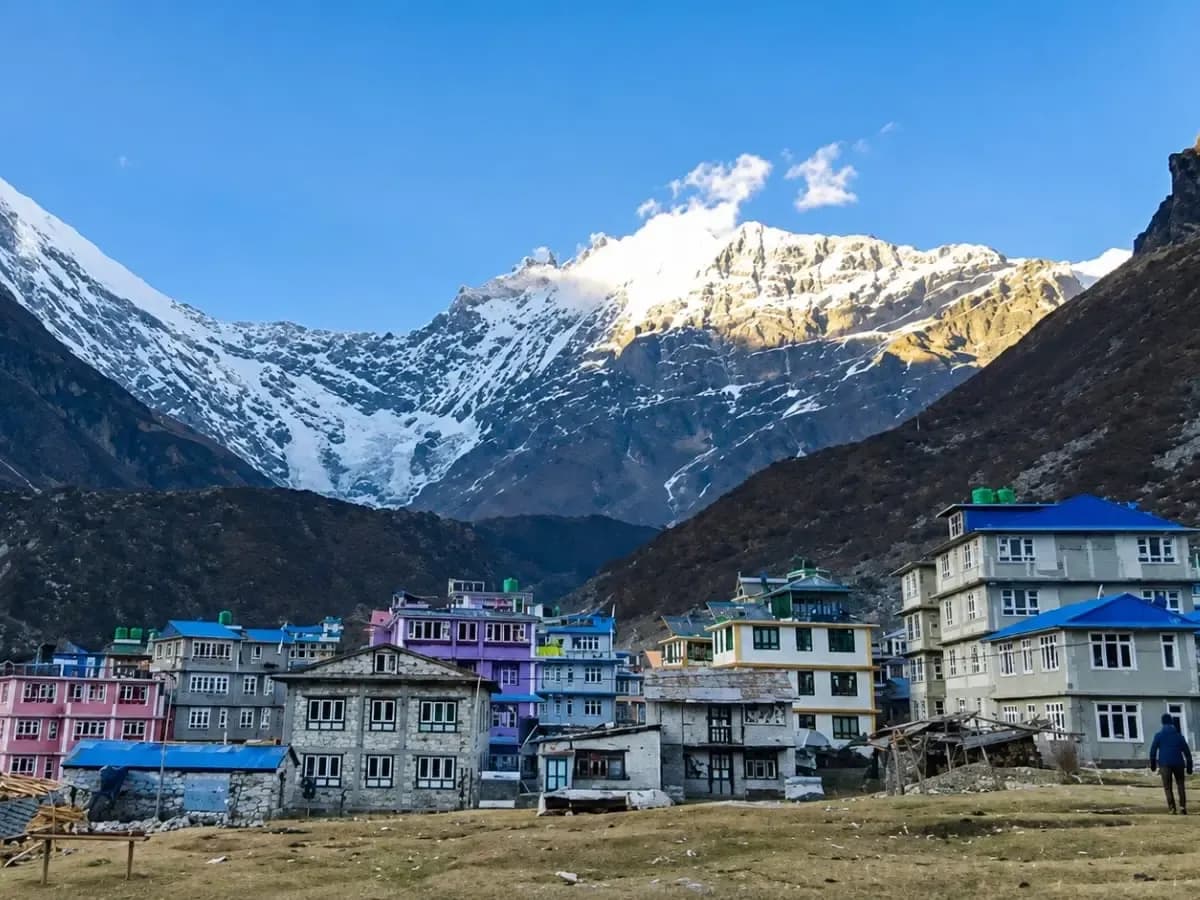
Since the 2015 earthquake, Langtang Village and Kyanjin Gompa have rebuilt their trekking infrastructure while maintaining a locally run teahouse system.
The trek is rated as moderate difficulty. It is suitable for fit beginners, with altitude and long uphill walking being the main challenges rather than technical terrain.
The best time for the Langtang trek is spring (March to May) and autumn (September to November). Although the trek is doable throughout the year, but with nuances. Monsoon months bring landslide risk and poor visibility, while winter conditions above Langtang Village can limit access because of snowfall and seasonal teahouse closures.
Trekkers need the Langtang National Park Entry Permit (around NPR 3,000 for foreigners). As of 2026, the TIMS card is generally not required for the Langtang region.
While many trekkers still choose to travel with a licensed guide for safety, navigation, and local support, independent trekking is still possible in the Langtang Valley depending on current regulations and route conditions. Most travelers prefer guided treks for convenience, especially after road changes, weather risks, and remote trail sections.
Standard routes usually take you to Kyanjin Gompa at 3,870 m, but for those who want to push it a bit further, you can climb Kyanjin Ri (4,773 m) or Tserko Ri (4,984 m) for even more stunning views.
For those looking to extend the journey, the Langtang Gosaikunda Trek links high alpine lakes with mountain passes, while the Tamang Heritage Trail offers a deeper cultural route through traditional Tamang villages below the main valley.
Highlights of the Langtang Valley Trek
Easily accessible from Kathmandu
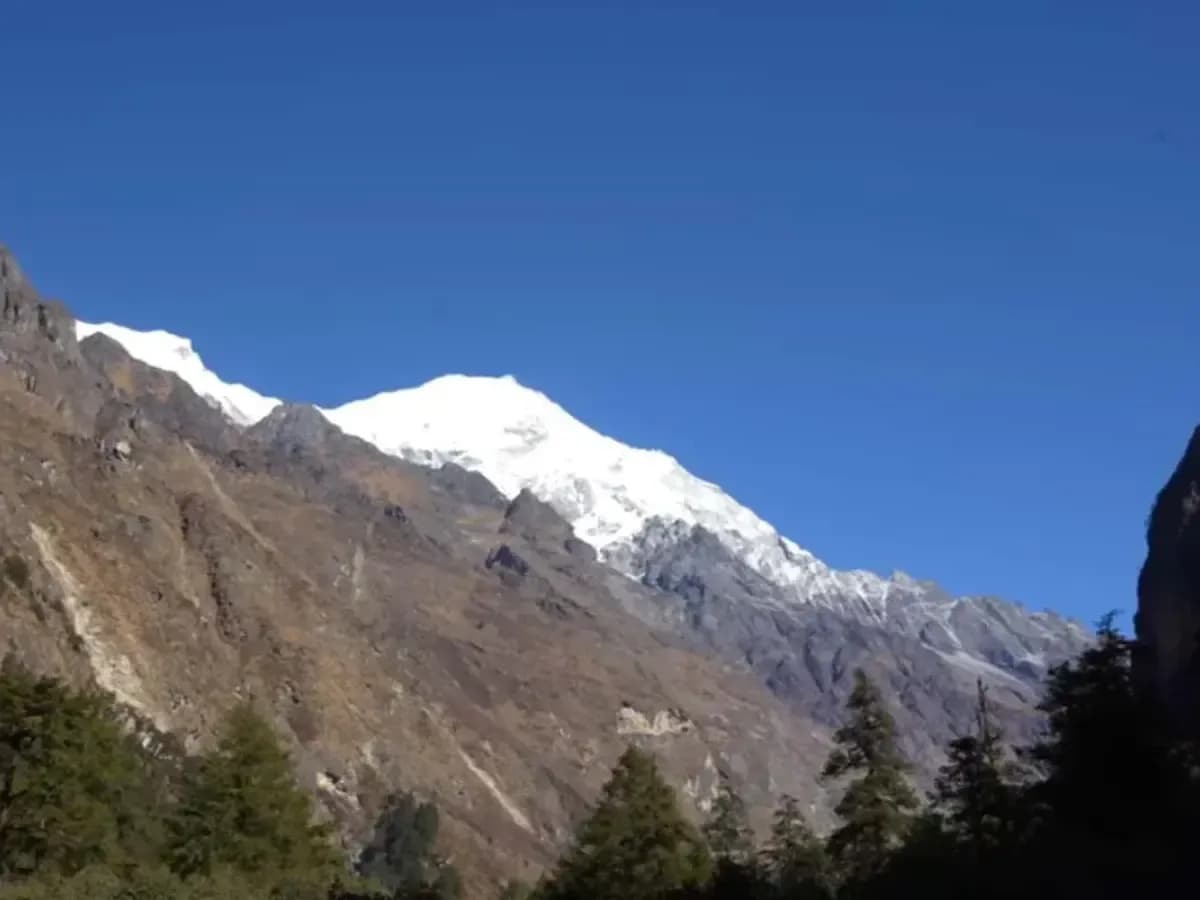
Stunning views of Langtang Lirung, Ganesh Himal & surrounding peaks
Lush forests, rhododendron blooms, and alpine meadows
Traditional Tamang villages and rich cultural heritage
Ancient Kyanjin Gompa monastery
Side trips to Kyanjin Ri and Tserko Ri for panoramic vistas
Trek through Langtang National Park, home to rare wildlife
Cozy mountain lodges with local food and friendly trekkers
Visit the local yak cheese factory in Kyanjin Gompa, a small but iconic stop on the trail
Trip Itinerary for Langtang Valley Trek
Detailed Day-to-Day Itinerary
Day 01 Arrive in Kathmandu
Duration:
~30 minutes
Accommodation:
Hotel
Upon arrival at Tribhuvan International Airport, a member of our team will be waiting just outside the terminal holding a placard with your name, making your pickup easy to spot after a long flight. From there, you’ll be transferred to your hotel by private vehicle, with assistance provided during check-in to ensure a smooth and comfortable arrival.
Depending on your arrival time, your representative will either accompany you to the company office for a short pre-trip orientation or conduct it at the hotel, whichever makes the most sense for your schedule. Any remaining trip balance will also be settled at this stage.
One practical piece of advice from experience: skip the gear shopping in Thamel today. After a long international flight, jet lag quietly wrecks decision-making, and Thamel's outdoor shops reward patience and sharp judgment. A counterfeit jacket can look surprisingly convincing when you've slept four hours in two time zones. Day 1 is better spent eating a proper meal, hydrating, and resting. Save gear shopping for the following day, when you're clear-headed and far more likely to spot quality from imitation.
Day 02 Kathmandu Sightseeing & Pre-Trek Preparation
Duration:
~4-5 hours
Accommodation:
Hotel
After breakfast, your guide will take you through some of Kathmandu’s most significant cultural landmarks. The day typically includes visits to Pashupatinath Temple, Nepal’s most important Hindu temple set beside the sacred Bagmati River; Boudhanath, one of the world’s largest Buddhist stupas; Swayambhunath (Monkey Temple), perched on a hill overlooking the city; and Kathmandu Durbar Square, the historic center of the old royal city. Between drifting incense, marigold offerings, spinning prayer wheels, and the steady rhythm of devotional life, the day offers a meaningful introduction to the cultural landscape that shapes mountain life in Nepal.
If you booked independently rather than through our office, keep timing in mind: the Tourism Board Office closes at 5:00 PM. Secure your Langtang National Park permit before sightseeing wraps up, as arriving at the Dhunche checkpoint with permits already prepared makes the process noticeably smoother.
If you plan to attempt Tsergo Ri, buy microspikes in Kathmandu today, as they are generally unavailable in Kyanjin Gompa. Many gear lists focus on the viewpoint itself, but the climb often involves steep boulder scrambling above 4,900 meters, where shaded sections can hold ice even when lower trails seem dry. Polarized sunglasses are equally important. At that elevation, intense UV reflection off snow can quickly cause snow blindness, making proper eye protection far more than just a comfort item.
Day 03 Kathmandu drive to Syabrubesi (1, 503 m)
Duration:
~6-8 hours
Accommodation:
Lodge
Your guide will pick you up early, a 6:00 AM departure is strongly recommended rather than optional. The route north passes through landslide-prone sections near Dhunche, where traffic can occasionally be delayed for extended periods, especially during the monsoon season. Clearing these areas earlier in the day helps reduce the likelihood of delays.
There are security checkpoints along the route due to the region’s proximity to the Tibetan border. Keep your passport and trekking permits easily accessible in your daypack, as documentation checks are common and having them ready speeds up the process significantly.
Small road-trip tip: try for a left-side seat on the drive north. Several stretches open toward the river valley, and on clear days you may catch distant Himalayan views that are easier to miss from the opposite side. On the return journey to Kathmandu, switching sides offers a fresh perspective on the landscape.
Day 04 Syabrubesi trek to Lama Hotel (2,400 m)
Duration:
~6-7 hours
Accommodation:
Lodge
Cross the Bhote Kosi on a suspension bridge out of Syabrubesi, then continue over additional river crossings as you follow the Langtang Khola the main valley river that guides the route for the coming days. From here, the trail splits, and the choice begins to shape the trekking experience.
The lower route climbs steadily through Doman (1,680m), past small teahouse clusters near the riverside, continuing through Bamboo and across to the north bank before a final push up to Rimche and Lama Hotel (2,470m). Lama Hotel is a compact cluster of teahouses in a shaded river gorge practical and atmospheric, but noticeably cooler and more enclosed than the name suggests.
The upper trail via Khanjim to Sherpagaon is often preferred in good weather for its village experience and wider mountain views. It involves a steeper initial ascent, but rewards trekkers with quieter ridgelines and traditional Tamang settlements. Accommodation options vary by season, but Sherpagaon typically offers a more open, village-style stay compared to the riverside route.
If you reach Syabrubesi later in the afternoon, some trekkers choose to stay at the first available lodge rather than pushing too far uphill the same day, depending on energy levels and daylight.
Day 05 Lama Hotel trek to Langtang village (3,430 m)
Duration:
~6-7 hours
Accommodation:
Lodge
This same forest between 2,800m and 3,600m is part of Langtang’s known red panda habitat zone, though sightings are rare due to their elusive nature and dense bamboo cover. The forest here is most active at dawn and dusk, when wildlife movement is slightly more noticeable.
Langtang Village (3,430m) sits slightly above and offset from its original location, rebuilt after the devastating 2015 avalanche and debris flow that destroyed the former settlement. The new village stands as a quiet reconstruction of stone-fenced fields growing buckwheat, barley, potatoes, and turnips, reflecting both adaptation and resilience.
Tonight marks your first night above 3,000m. Hydration becomes more important here, and avoiding alcohol at dinner is recommended to support acclimatization as your body begins adjusting to higher altitude conditions.
Day 06 Langtang village trek to Kyanjin Gompa (3,870 m)
Duration:
~3-4 hours
Accommodation:
Lodge
The day begins by threading through Langtang Village past carved mani walls, their Tibetan inscriptions softened by altitude wind. The trail continues through small settlements such as Mumdu and Sindum before opening into broad yak pastures, with several crossings of the Langtang Khola as the valley gradually widens.
The route unfolds in stages. The first section climbs gently through mixed terrain toward Gumba Danda, followed by a flatter stretch through the valley floor where, in clear weather, Langtang Lirung often comes into full view above the surrounding ridgelines. This is a good place to slow down — many trekkers rush through the final approach. A final steady climb continues through moraine and boulder terrain, with glacier-fed landscapes opening toward the upper valley before a short descent into Kyanjin Gompa (3,870m).
Spend the afternoon exploring the settlement. Visit the local cheese cooperative near the monastery, where traditional yak cheese is still produced and sold directly by the community. Sea buckthorn juice is also widely available in teahouses — a tangy, vitamin-rich local drink that many trekkers enjoy after the climb.
Accommodation is basic but comfortable, with costs typically around 500 NPR for rooms and higher rates for full board packages. At this altitude, heating is usually limited and varies by lodge, with dining areas often warmed by yak-dung stoves or alternative fuel sources. Rooms are simple and minimally insulated, so a warm sleeping bag is essential for a comfortable night.
Day 07 Hike to Kyanjin Ri (4,773 m) or Tsergo Ri (4,984 m)
Duration:
~4-8 hours
Accommodation:
Lodge
Today offers three options at very different commitment levels.
Langshisa Kharka (4,080m) is a long, demanding valley walk that requires camping and an additional overnight — without that arrangement in place, skip it.
Kyanjin Ri (4,773m) is a two-hour climb north of the gompa with sweeping views of Langtang Lirung (7,246m), Kinshung (6,781m), Yansa Tsenji (6,567m), Dorje Lhakpa (6,966m), Ganchempo (6,387m), Langshisa Ri (6,427m), and the Ganja La pass across the valley. This is also the acclimatization mechanism for Tsergo Ri — not optional preparation. Your body needs this climb to pre-adapt to the oxygen levels you'll face at 5,000m the following morning. Trekkers who skip it to save energy are consistently the ones who turn back short of the summit.
Tsergo Ri (4,984m), also written Cherko Ri, requires a 4:00 AM departure — meteorologically non-negotiable. The valley heats through the morning, orographic cloud forms over the ridgeline by noon, and being on an exposed 5,000m boulder field when that process accelerates is genuinely dangerous. The 7–10 hour round trip from a 4:00 AM start returns you to Kyanjin Gompa well inside the safe window. Follow the trail north, take the left fork at 10 minutes, then a steep climb to the summit.
Note that Tsergo Ri has two summits. Most trekkers stop at the lower cairn at 4,984m — the true summit sits at 5,033m and requires additional scrambling beyond it. The views are identical; the GPS number is not.
Day 08 Kyanjin Gompa trek to Lama Hotel (2,470 m)
Duration:
~6-7 hours
Accommodation:
Lodge
Today follows the same route back down through Sindum, Mumdu, Langtang Village, Thangshyap, Ghoda Tabela, and Gumanchok to Lama Hotel (2,470m). It is 21 kilometers and 1,400 meters downhill.
Do not underestimate this day. Going downhill for hours puts serious strain on your thigh muscles in a way that climbing does not. Your legs will feel it more than you expect. Shorten your trekking poles by 5 to 10cm on steep descents to take pressure off your knees, and take a five-minute break every 45 to 60 minutes even if you feel fine. The damage builds up quietly. Trekkers who skip the breaks are the ones who can barely walk the next morning.
Watch for the small changes around you as you lose elevation. The air gets warmer, the trees come back, and the river gets louder before you can see it. When you hear the Langtang Khola clearly below you, Lama Hotel is close.
Day 09 Lama Hotel trek to Syabrubesi (1,503 m)
Duration:
~5-6 hours
Accommodation:
Lodge
The day starts with a short climb to Upper Rimche, then drops down to the Langtang Khola and crosses the bridge before an easy walk through Bamboo and a gentle descent to Landslide Lodge. Just past Landslide Lodge the trail forks. The left path leads to Thulo Syabru. Take the right path down to Syabrubesi, cross the final bridge over the Langtang Khola, and follow the flat trail into town.
If you took the lower Bamboo route on Day 4, consider the upper trail via Sherpagaon and Khanjim today instead. It completes a genuine loop, two different valleys on the same trek. The lower trail in the afternoon is muddy, slick, and buggy. The upper trail is dry, open, and gives you the best full views of the Langtang range you will see on the entire trip.
The Tamang farmland near Khanjim is the last real cultural stretch before the road. Most trekkers are mentally already in Kathmandu by this point and walk straight through. Slow down. The terraced fields, stone houses, and daily farm life are what the upper trail was built around.
The suspension bridge at Khanjim marks the end of the wilderness section. Once you cross it, the road world begins. It is worth treating as a moment rather than just another river crossing.
Day 10 Syabrubesi drive to Kathmandu (1,350 m)
Duration:
~6-8 hours
Accommodation:
Hotel
Depart early for the drive back to Kathmandu by public bus or private vehicle depending on your booking. The road is rough and unpaved to Trishuli Bazaar, then paved the rest of the way into the city.
If you have the option, take the jeep. Your legs are still recovering from Day 8's long descent, and 7 hours on an unpaved road with poor suspension will compound that damage and leave you genuinely sore in Kathmandu. The upgrade costs roughly 400 to 900 NPR more and is a recovery decision, not a comfort upgrade.
Sit on the right side for the return journey. The valley views and Himalayan sightlines open on the right heading south, the reverse of Day 3. This is the last Himalayan panorama of the trip and worth the deliberate seat choice.
The foothills roll past in warm afternoon light, and somewhere between Dhunche and Trishuli the mountains quietly disappear behind the ridgeline for the last time.
When you reach Kathmandu, give yourself 30 to 60 minutes of quiet time before any social plans. The shift from 7 days of alpine silence to city noise and traffic is a real adjustment. A short buffer makes the celebration dinner actually enjoyable.
Day 11 Depart Kathmandu
Duration:
~30 minutes
After breakfast, End of our services with departure transfer to the Kathmandu airport to board flight for your onward destination.
Langtang Valley Trek Map and Elevation
Langtang Valley Trek Route MapLangtang Valley Trek Elevation Profile
Pricing Details
Price Includes
Airport pickup and drop-off by private vehicle
3-star standard hotel accommodation in Kathmandu on a twin-sharing basis for two or more participants, including breakfast
Kathmandu sightseeing with a professional city guide, private vehicle, and monument entrance fees
Public bus transportation from Kathmandu to Syabrubesi
Public bus transportation from Syabrubesi to Kathmandu
Normal teahouse/lodge accommodation during the trek on a twin-sharing basis for two or more participants
Three meals a day during the trek: breakfast, lunch, and dinner
Fresh fruit or chocolate dessert after dinner during the trek
Porter service during the trek, with one porter for every two guests and a maximum load of 20 kg per porter
Insurance for Nepalese staff, including trekking guides and porters
Langtang National Park entry fee
Nepal Government taxes and company service charges
Price Excludes
Lunch and dinner in Kathmandu
International and domestic airfare
Nepal entry visa fee
Personal trekking equipment and clothing
High-risk medical and travel insurance, including emergency rescue and evacuation coverage
Personal first-aid kit and medications
Personal expenses such as laundry, telephone calls, Wi-Fi, and charging
Alcoholic and soft drinks, bottled or mineral water, and hot drinks during the trek
Monastery entry fees and donations during the trek
Hot showers and hot water charges where applicable
Tips for guides, porters, and other staff
Bank transfer or credit card processing charges
Additional accommodation or meals caused by early arrival, late departure, or itinerary changes
Expenses resulting from road conditions, weather, natural disasters, strikes, or other circumstances beyond our control
Any services or expenses not specifically mentioned under Price Includes
Langtang Valley Trek Difficulty: Is It Suitable for Beginners?
The Langtang Valley Trek is suitable for fit beginners with no prior high-altitude experience, provided they allow sufficient acclimatization time and don't rush the itinerary.
The trail is well-maintained, consistently marked, and has teahouses every 1–3 hours of walking. There are no technical sections, no glacier crossings on the main route, and no need for crampons unless you're attempting Tserko Ri in winter.
The key challenge is the rate of altitude gain. You climb from 1,550 m to 3,870 m in roughly 3–4 days of walking a gain of over 2,300 m very quickly. Above 3,000 m (reached on Day 3), the risk of Acute Mountain Sickness (AMS) rises if you ascend too fast. This is not an extreme-altitude trek, but it demands respect.
What you need: The ability to walk 5–7 hours per day on uneven terrain, carrying a daypack (5–8 kg). You should be comfortable on sloped, rocky paths. If you're doing Tserko Ri, which gains over 1,100 m in a single day, expect it to be genuinely hard. Train with cardio and hill work 4–8 weeks before the trek.
Best Time to Trek Langtang Valley in 2026
The best time to trek Langtang Valley in 2026 is during spring (March to May) and autumn (September to November).
Spring (March–May): Flowers, Weather, and Crowds
Spring is one of the two main trekking windows. Temperatures at altitude are mild (4–12°C at Kyanjin Gompa during the day), and the lower sections of the trail pass through forests of rhododendron in full bloom reds, whites, and pinks from roughly 2,000–3,500 m. Mountain views are generally clear in the mornings, with clouds building in the afternoon. The trail gets busy in April and early May. Book teahouses in advance if you're arriving in the second half of April.
Verdict: Excellent for scenery variety (forests + mountains), slightly less reliable sky clarity than autumn.
Autumn (September–November): Clear Skies, Busiest Season
September to November is the busiest trekking window in Nepal, and Langtang is no exception. After the monsoon clears, the air is washed, skies are deep blue, and mountain views from Tserko Ri and Kyanjin Ri are at their sharpest. Temperatures drop noticeably in October–November, especially at night (sub-zero at Kyanjin Gompa by late October). October is peak month trails are busier, but infrastructure holds up well in Langtang.
Verdict: Best overall conditions for mountain photography and clear summit views.
Off-Season: Summer Monsoon and Winter: Risks and Who Should Consider It
Monsoon (June–August): Heavy rainfall makes lower sections of the trail muddy and slippery, with real landslide risk on certain stretches. Views are largely blocked. It's possible but not recommended unless you're an experienced trekker comfortable with wet conditions. Some teahouses remain open.
Winter (December–February): Trail sections above 3,500 m can be snow-covered and icy, particularly approaching and above Kyanjin Gompa. Tserko Ri is often snow-covered and requires crampons/experience. The valley is very quiet you may be the only trekkers in some villages and teahouses are open but may have limited food options. If you're an experienced trekker who wants solitude and don't mind cold nights (-10°C and below at Kyanjin Gompa), winter can offer remarkable clarity.
Accommodation and Food on the Langtang Valley Trek
Tea Houses vs. Homestays: What to Expect
Langtang Valley operates on a tea house trekking model family-run lodges that provide a room and meals at a set price. The standard across the valley has improved significantly since 2015; most teahouses between Syabrubesi and Kyanjin Gompa now have solid structures, decent bedding, and either wood-burning or electric heaters in common dining areas.
What to expect in a standard tea house room: A twin or double bed with foam mattress, pillow, and a blanket. Private rooms are common; attached bathrooms are available at some teahouses in Langtang Village and Kyanjin Gompa but less consistent elsewhere. Shared drop-toilets are the norm above Lama Hotel. Room rates: USD 3–7 per night at lower elevations (Lama Hotel), USD 8–15 at Langtang Village and Kyanjin Gompa. Note that tea houses generally expect you to eat your meals with them in exchange for accommodation, this is the standard arrangement and helps keep room prices low.
Homestays are available in a few villages (primarily Langtang Village), where local families host trekkers in a more domestic setting. The experience is more personal, food is home-cooked, and the income goes directly to the family. Ask your guide to arrange a homestay night if this interests you, it adds meaningful cultural texture to the trek.
Wi-Fi, Charging, Cash, and Connectivity on the Langtang Valley Trek
Wi-Fi: Available in most teahouses from Syabrubesi to Kyanjin Gompa, but reliability decreases with altitude. Lower villages usually support basic messaging and emails, while higher sections like Kyanjin Gompa are slower and more intermittent due to network and weather conditions.
Device charging: Widely available across the trail and commonly provided in rooms or dining areas. A power bank is still recommended as backup due to occasional power limitations at higher altitudes.
ATMs: ATMs are available in Syabrubesi and Kyanjin Gompa (Prabhu Bank), but they are unreliable due to network issues, cash shortages, and weather disruptions. Machines may be non-functional for days, especially in peak season. Trekkers should withdraw all required cash in Kathmandu and treat trail ATMs only as an emergency backup.
SIM cards: NTC (Nepal Telecom) has the most consistent signal coverage on the Langtang trail 3G or 4G signal is available up to Langtang Village in most conditions. The signal becomes weak and intermittent above that point. Purchase an NTC tourist SIM in Kathmandu (available at the airport and in Thamel, approximately NPR 100–200 with a data top-up). Ncell SIM cards work well in Kathmandu, but coverage drops faster on the Langtang trail.
Typical Meals and Prices
Meal
Price Range (USD, Low–High elevation)
Dal Bhat (rice, lentils, vegetables — refills included)
6–11
Noodle soup / thukpa
5–10
Tibetan bread with honey/jam
3–7
Pasta or fried rice
6–11
Porridge/muesli (breakfast)
5–9
Tea (milk/black)
2–4
Budget tip: Dal Bhat is consistently the best value on the trail. It's filling, locally sourced, nutritious, and comes with unlimited refills at most teahouses. Western dishes cost more and provide less energy for the walking days ahead. Bring snacks from Kathmandu (nuts, energy bars, dried fruit), they're significantly cheaper in the city than on the trail.
Langtang Valley Trek vs EBC vs Annapurna Circuit: Key Differences
Factor
Langtang Valley
Everest Base Camp
Annapurna Circuit
Duration
7–10 days
12–16 days
12–21 days
Max altitude
4,773 m (Tserko Ri)
5,545 m (Kala Patthar)
5,416 m (Thorong La Pass)
Access from Kathmandu
7–9 hr drive
Flight to Lukla (~35 min)
Drive to Besisahar (~6–8 hrs)
Permit cost
~USD 25
~USD 40–60
~USD 25
Crowd level
Low–moderate
Very high
High
Budget (full trip)
USD 700–1,400
USD 1,200–2,500
USD 700–2,500
Best for
First Himalayan trek, time-limited travelers, culture-focused trekkers
Iconic bucket-list experience
Long-distance trekkers, diverse landscapes
Langtang Valley Trek vs. EBC: Langtang costs less, requires no flight, has fewer days on trial, and is noticeably quieter. EBC offers higher altitude and the iconic Khumbu scenery. If you have 10 days and want a genuine Himalayan experience without the logistics of flying to Lukla, Langtang wins.
Langtang Valley Trek vs. Annapurna Circuit: Annapurna requires more time and covers more diverse terrain. Langtang is a focused valley trek sharper, more concentrated, and far easier to access from Kathmandu.
The real question isn't which trek is best. It's how much time you have and what kind of experience you're after. If the answer is maximum Himalayan exposure without turning the trip into a multi-week expedition, Langtang is the straightforward choice.
Langtang Valley Trek Permits 2026: Entry Fee and Logistics
Langtang National Park Entry Permit
This permit is mandatory for everyone entering the Langtang National Park boundary. It covers the entire route from Syabrubesi to Kyanjin Gompa, as well as hikes within the park.
• Foreign nationals: NPR 3,000 (~USD 22–23), plus 13% VAT
• SAARC nationals: NPR 1,500 (~USD 13), plus 13% VAT
• Nepali citizens: NPR 100 (~USD <1), no VAT
• Children under 10: No permit required
Validity: Single-entry, valid for the duration of your trek (up to one month)
Obtain at:Nepal Tourism Board office (Kathmandu), or at the Langtang National Park entry checkpoints in Dhunche or Syabrubesi. It's strongly recommended to get your permit in Kathmandu before you travel to the offices at Dhunche and Syabrubesi can experience queues and limited operating hours.
As of 2025–26, official trekking regulations in Nepal indicate that foreign trekkers should obtain permits through registered agencies and are generally advised to travel with a licensed guide, particularly in protected regions such as Langtang National Park. However, enforcement has remained inconsistent in practice, and independent trekking still occurs on major routes.
Required documents for permit application:
• Original passport + 2 photocopies
• Nepal tourist visa (copy)
• 2 passport-sized photos
• Cash in Nepali Rupees (permit offices do not accept foreign currency or cards)
Altitude sickness (Acute Mountain Sickness / AMS) can affect anyone, regardless of fitness level or prior trekking experience. The Langtang Valley ascent is rapid, you gain over 2,000 m in the first 3–4 days. Most trekkers start to feel some effects above 3,000 m.
Moderate–severe AMS symptoms (descend immediately):
• Persistent, worsening headache that doesn't respond to ibuprofen
• Vomiting
• Confusion or loss of coordination (sign of High-Altitude Cerebral Edema(HACE))
• Persistent cough with pink/frothy sputum (sign of High-Altitude Pulmonary Edema(HAPE))
• Difficulty walking in a straight line
The rule is simple: never ascend with AMS symptoms. If symptoms are moderate or severe, descend immediately even in the middle of the night. Descent of 300–500 m is usually enough to relieve mild to moderate symptoms. Your guide should be trained in AMS recognition and should carry a basic first-aid protocol.
Preventive Measures of Altitude Sickness for Langtang Valley Trek
• Hydration: Drink 3–4 litres of water per day above 3,000 m. Avoid alcohol and heavy meals at altitude
• Pulse oximeter check: SpO2 (oxygen saturation) below 85% at rest at altitude is a warning sign worth monitoring with your guide
• Walking too fast is one of the most common mistakes on the Langtang route. Keep your pace slow and consistent, and use rest stops before you feel exhausted.
• Some trekkers use altitude medication such as acetazolamide, but it should be taken only with medical advice before the trek.
Helicopter evacuation is available in emergencies and can typically reach Kyanjin Gompa weather permitting. Ensure your travel insurance explicitly covers high-altitude helicopter evacuation, most standard travel policies do not. Check your policy in writing before you leave home.
Langtang Valley Trek Practical Logistics in 2026
Transport from Kathmandu to Syabrubesi and Back
Local bus: Departs from Machhapokhari bus park in Kathmandu, typically early morning. Journey is 7–9 hours. Cost: approximately NPR 1200–1500 (USD 5–7) one way. The road is sealed for most of the route, but becomes rougher approaching Syabrubesi. Comfortable enough for most trekkers; bring motion sickness tablets.
Shared jeep: Faster (6–7 hours), more comfortable, and easier to arrange. Multiple agencies and guesthouses in Thamel organise shared jeep departures daily in peak season. Cost: approximately USD 20–30 per person one way, or USD 40–60 return when booked in advance.
Private jeep: Full vehicle hires costs NPR 20,000 (USD 150–200) one way (suitable for groups of 4–6, splitting the cost). Flexible departure time, baggage space, and a driver who knows the road. Worth considering for groups or if you want to stop at viewpoints along the Trishuli River gorge.
Return route note: Plan your return transport before you leave Kathmandu. In peak seasons, shared jeep seats fill up quickly. Your guide or agency should pre-book your return vehicle; if arranging independently, call ahead from Kyanjin Gompa or Langtang Village to confirm.
Hiring a Guide and Porter for the Langtang Valley Trek
When: Before you leave Kathmandu. Do not plan to hire a guide at the trailhead in Syabrubesi while it's possible in peak season, you have limited ability to vet someone you've just met, and the best guides are typically pre-booked.
Where: Through a TAAN-registered trekking agency in Kathmandu like us. Avoid touts approaching you in Thamel.
Vetting your guide:
Ask to see their TAAN guide license, it should be current and valid for the 2025–26 season
Confirm their first-aid certification (Wilderness First Aid or equivalent)
Ask about their specific Langtang Valley experience, how many times have they guided this route in the last 2–3 seasons?
Confirm their insurance is in place (guides should be insured for accidents and medical emergencies)
Agree on daily rate, inclusions (meals, accommodation, tip norms), and emergency protocols in writing or clearly in advance
The Alpine Adventure Club team runs the Langtang Valley Trek multiple times each year. In autumn 2024, one of our senior guides led a group of six trekkers on the 11-day extended itinerary, including Tserko Ri. Trail conditions that October were excellent: dry underfoot throughout, clear skies on five of eight trekking days, and the best mountain visibility of the year at Tserko Ri. Teahouses in Kyanjin Gompa were fuller than in previous years advance room requests mattered.
In spring 2025, a mixed-experience group of four trekkers completed the 7-day classic route in March. The lower trail rhododendron forests were in bloom from Day 2, a reliable seasonal feature that March–April trekkers consistently appreciate. One trekker in the group developed mild AMS symptoms (headache, fatigue) on arrival at Kyanjin Gompa on Day 4 and rested a full day without ascending. By Day 5, symptoms had cleared, and they completed Kyanjin Ri without issue. This is a reminder that slowing down on Day 4, even when you feel capable, is the right call.
What we'd change next time: We consistently advise trekkers to bring trekking poles from Kathmandu rather than renting on the trail (quality varies at Syabrubesi). We also now recommend booking a private jeep rather than shared for groups of 4+ travelers. Time saving (1–2 hours) is worth the marginal extra cost, particularly on the return when trekkers are tired. And book your return jeep from Kyanjin Gompa, don’t leave it to Syabrubesi.
Langtang Valley Trek Packing List
Here’s a concise guide of essentials to prepare smartly for your trek.
Moisture-wicking base layer top and bottom (or thermal set in cold season)
Quick-dry underwear (2–4)
Wool trekking socks (3 pairs)
Waterproof trekking boots (broken-in)
Lightweight hiking pants (1–2)
Waterproof trousers
Waterproof shell jacket with hood
Insulated jacket (warm down or synthetic)
Fleece jacket or pullover
Warm hat (beanie) and sun hat/cap
Gloves: thin liner + insulated pair
Buff/neck gaiter
Camp shoes or sandals
Sleeping bag rated around -10°C (season dependent)
Sleeping bag liner (adds warmth and hygiene)
Inflatable pillow or pillowcase
Earplugs
Small dry bag or garbage bags for waterproofing sleeping bag
Main duffle or trekking backpack (60–80 L if using porter) OR personal backpack (50–65 L)
Daypack (25–35 L) with hip belt
Backpack rain cover
Trekking poles (collapsible)
Small padlock for guesthouse lockers
Offline maps / trekking app with downloaded maps
Headlamp with spare batteries
Emergency whistle
Small multi-tool or pocketknife
Basic compass (optional but useful)
Notebook and pen
Water bottles (2 × 1 L) or 2 L hydration bladder
Water purification (tablets or lightweight filter)
Electrolyte powder or tablets
High-energy snacks (energy bars, nuts, trail mix) for daily hikes
Personal first-aid kit: adhesive plasters, antiseptic wipes, medical tape, small bandages
Blister treatment: moleskin or Compeed
Altitude sickness medication (Diamox) if advised by doctor
Diarrhea/stomach meds and ORS
Prescription medications
Sunglasses with UV protection
Sunscreen SPF 50+ and SPF lip balm
Insect repellent
Hand sanitizer and wet wipes
Phone with offline maps and camera (if desired)
Charging cable(s)
Power bank (recommended; capacity 10,000 mAh+)
Universal travel adapter (Nepal: types C, D, M)
Passport (original)
Langtang National Park permit
Physical copies of passport and permit (1 set)
Digital copies stored on phone/email/cloud
Extra passport-size photos (for permits)
Travel insurance with high-altitude coverage
Cash in Nepali rupees (small notes)
Waterproof document pouch
Frequently Asked Questions
Overview & Essentials
Typically, packages include accommodation, meals during the trek, guide and porter services, permits, and ground transportation. Flight costs, insurance, and personal expenses are usually excluded.
While prior trekking experience helps, most treks are designed to be achievable with average fitness. Some high-altitude treks may require conditioning or preparation beforehand.
There is no strict age limit, but participants should be reasonably fit. Trekkers above 60 or with health conditions should consult a doctor before the trip.
Arrival & Visas
Most travelers require a tourist visa, which can often be obtained on arrival or online. Check your country’s embassy website for up-to-date visa policies.
Airport pickup is often included in the tour package. If not, taxis or pre-arranged transport options are available and reliable.
Yes, arriving early is a great way to rest and adjust before your trek. We can help arrange additional accommodations if needed.
Health & Safety
Guides are trained in first aid and will assist you immediately. In serious cases, evacuation (often by helicopter) can be arranged. Travel insurance with emergency coverage is strongly recommended.
Yes, especially above 2,500 meters. Our itineraries are designed with gradual acclimatization and rest days to help prevent it. Drinking water, eating well, and resting are key.
Yes, all certified guides are trained in altitude awareness, first aid, and emergency protocols to ensure your safety throughout the trek.
Weather & Temperature
Spring (March–May) and autumn (September–November) are the most popular trekking seasons with stable weather and clear skies.
Temperatures can drop significantly at night, especially at higher altitudes. Days are usually moderate, but proper layering is important.
Yes, extreme weather can cause delays, especially for flights or high passes. We always try to adjust plans safely and flexibly.
Accommodation & Facilities
Accommodations are usually in local lodges or tea houses with basic amenities—clean beds, shared bathrooms, and dining halls.
Some lodges offer hot showers for an additional fee, but availability may be limited at higher altitudes.
Charging is available in most lodges for a fee. Power supply may be limited or solar-based, so bring a power bank as backup.
Packing & Gear
You’ll need layered clothing, good trekking boots, a daypack, a sleeping bag (if not provided), and basic toiletries. A detailed packing list will be shared upon booking.
Yes, you can rent most essential gear like down jackets, sleeping bags, and poles from local shops at affordable rates.
Keep your daypack light with only essentials (water, snacks, jacket). The porter will carry your main bag, usually limited to 10–15 kg.
Trekker Reviews
Ingrid Dinhobl (Austria)
Verified
"After returning to Kathmandu from a 14-day trek to Langtang Valley and Gosaikunda Pass, I’m still deeply impressed by the stunning views and unforgettable experience. This journey wouldn’t have been possible without the caring guidance of Ramesh and Keshab—we had a great time together. Everything was flawlessly organized by Mr. Binod Thapa, starting with a warm welcome at the airport and even an invitation to his home. The trek preparation was perfect, and I’m truly grateful to Binod and his team for giving me thousands of unforgettable memories."
Nathan Reynolds (Australia)
Verified
"I highly recommend Alpine Adventure Club Treks & Expedition. Binod Thapa and his staff are friendly and professional, ensuring complete satisfaction. The guide and porter were knowledgeable and organized the best accommodations, making the trek comfortable and enjoyable. All my questions were promptly answered, easing any concerns about booking online. Prices were better than if I arranged it myself. Overall, a hassle-free, great experience in Nepal thanks to their excellent organization."