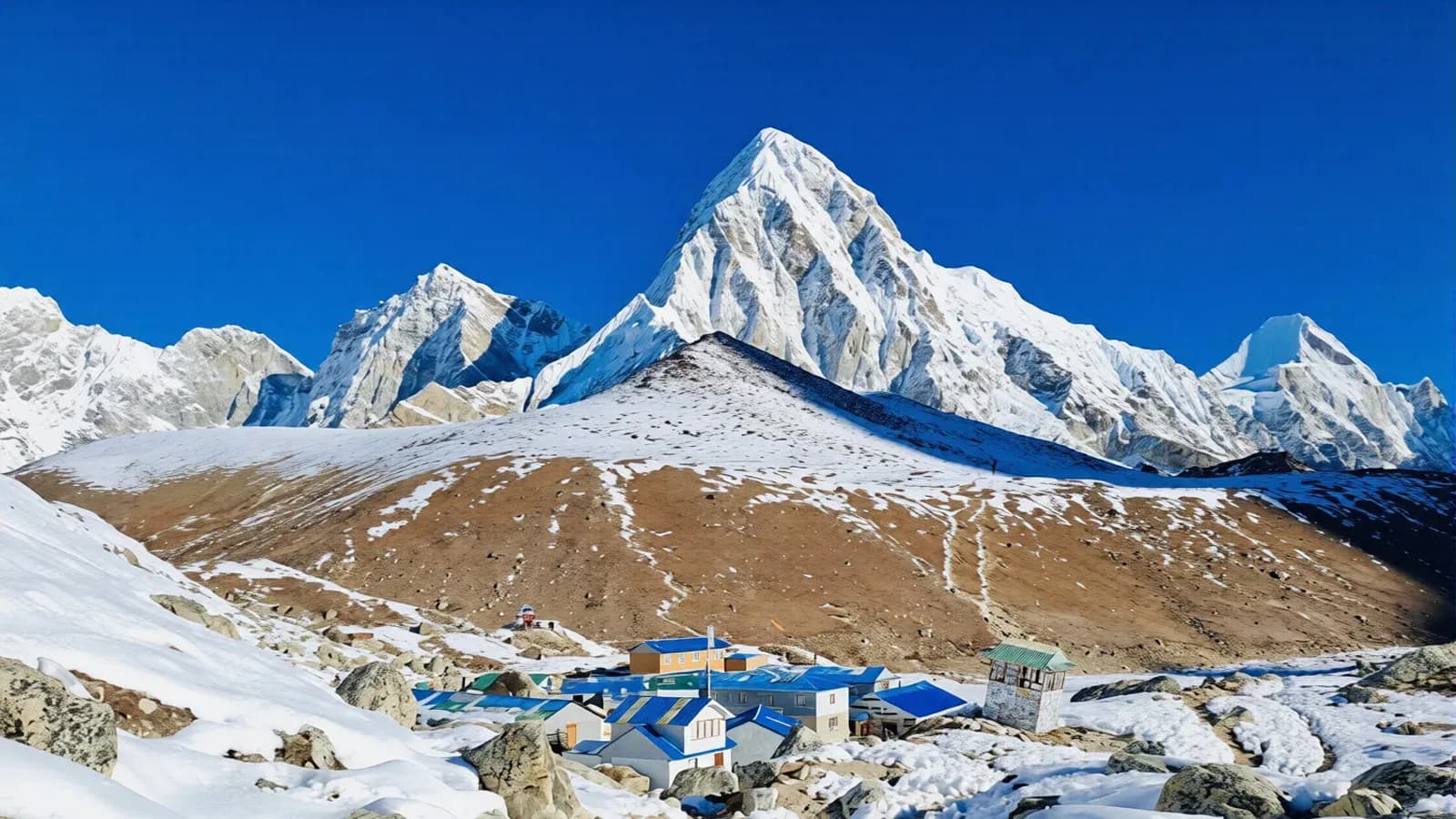
Planning an Everest Base Camp Trek is exciting, but choosing the right package can be less straightforward. There are many options available, and the differences are not always obvious from the advertised price. Some packages focus on essential services, while others offer private arrangements, upgraded accommodation, or greater flexibility.
For first-time trekkers, the most useful approach is to look beyond the headline price. The itinerary, acclimatization schedule, transportation, accommodation, meals, and guide and porter services can all affect the experience.
Whether you are looking for a budget trip or a more comfortable private journey, understanding what is included will help you choose an Everest Base Camp Trek package that suits your plans.
What Is Included in an Everest Base Camp Trek Package?
An Everest Base Camp Trek package usually combines the main services needed for the journey. Depending on the operator and service level, this can include airport transfers, Kathmandu accommodation, transportation, permits, teahouse accommodation, meals, a guide, and porter services.
The inclusions are not the same for every package. Some travelers may need a complete arrangement from arrival to departure, while experienced trekkers may only want a guide and porter.
Before making a booking, read the inclusions and exclusions carefully. A package with a slightly higher price may offer considerably more than a cheaper alternative.
Types of Everest Base Camp Trek Packages
One of the easiest ways to compare packages is to consider the level of service you actually need. Most options can be broadly divided into four categories.
Everest Base Camp Trek Budget Package
A budget Everest Base Camp Trek package is intended for travelers who want to keep costs under control while covering the essential arrangements for the trek.
These packages generally use standard teahouse accommodation and group services. Depending on the operator, they may include transportation, permits, a guide, porter support, accommodation, and meals.
Choosing a budget package does not mean compromising on the experience. The main difference is usually the simplicity of the accommodation and services. For travelers who are comfortable with basic facilities and do not require additional comfort, this can be a sensible option.
Standard Everest Base Camp Trek Package
A standard Everest Base Camp Trek package provides a practical balance between price and comfort. It generally includes the main services required for the journey while maintaining a straightforward approach to accommodation and transportation.
This category is suitable for travelers who want a well-organized trip without paying extra for premium services they may not need.
Luxury Everest Base Camp Trek Package
A luxury Everest Base Camp Trek package is designed for travelers who place greater importance on comfort and private arrangements.
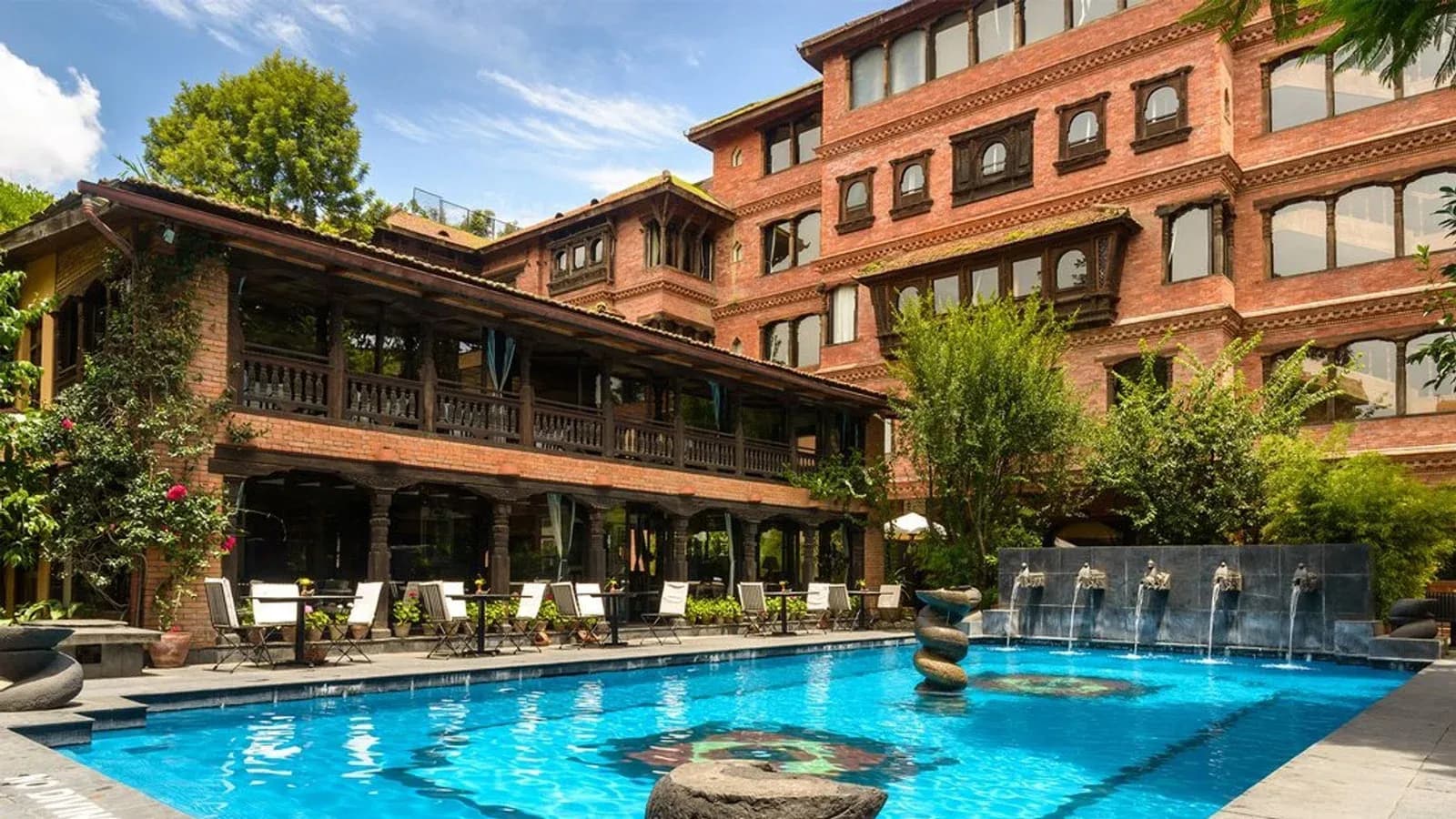
Depending on the itinerary, luxury services may include upgraded accommodation where available, private transportation, a private guide, and helicopter services. These options naturally cost more than standard packages.
Luxury does not change the destination or the trail itself. Instead, it provides a different level of comfort and convenience around the journey.
Guide and Porter Services Only
Not every traveler needs a complete package. Experienced trekkers may prefer to arrange their own flights, accommodation, meals, and other logistics and hire only a local guide or porter.
This approach offers more independence while still providing local assistance on the Everest Base Camp trail. A guide can help with route information, communication, accommodation, and unexpected situations, while a porter can carry the main luggage.
For experienced hikers who are comfortable making their own arrangements, this can be a flexible alternative to a full package.
Everest Base Camp Trek Cost
The cost of an Everest Base Camp Trek generally ranges from around US$1,350 to US$4,500 per person. The final price depends on several factors, including the duration of the trek, group size, season, accommodation, transportation, and level of service.
Budget and standard trips generally fall toward the lower end of this range. Private itineraries, longer routes, upgraded services, and helicopter arrangements can increase the total cost.
When comparing the Everest Base Camp Trek price, it is important to check what you are actually paying for. Flights, accommodation, meals, permits, guide and porter services, airport transfers, and other arrangements may or may not be included.
You should also allow for personal expenses during the trek. Drinks, snacks, hot showers, Wi-Fi, charging, tips, travel insurance, visa fees, and unexpected travel costs are commonly paid separately.
Flight Options and the Everest Base Camp Route
For most travelers, the journey to the Everest region begins with a flight to Lukla. During the main trekking seasons, flights may operate from Ramechhap (Manthali) rather than Kathmandu, requiring a road journey from Kathmandu to the airport.
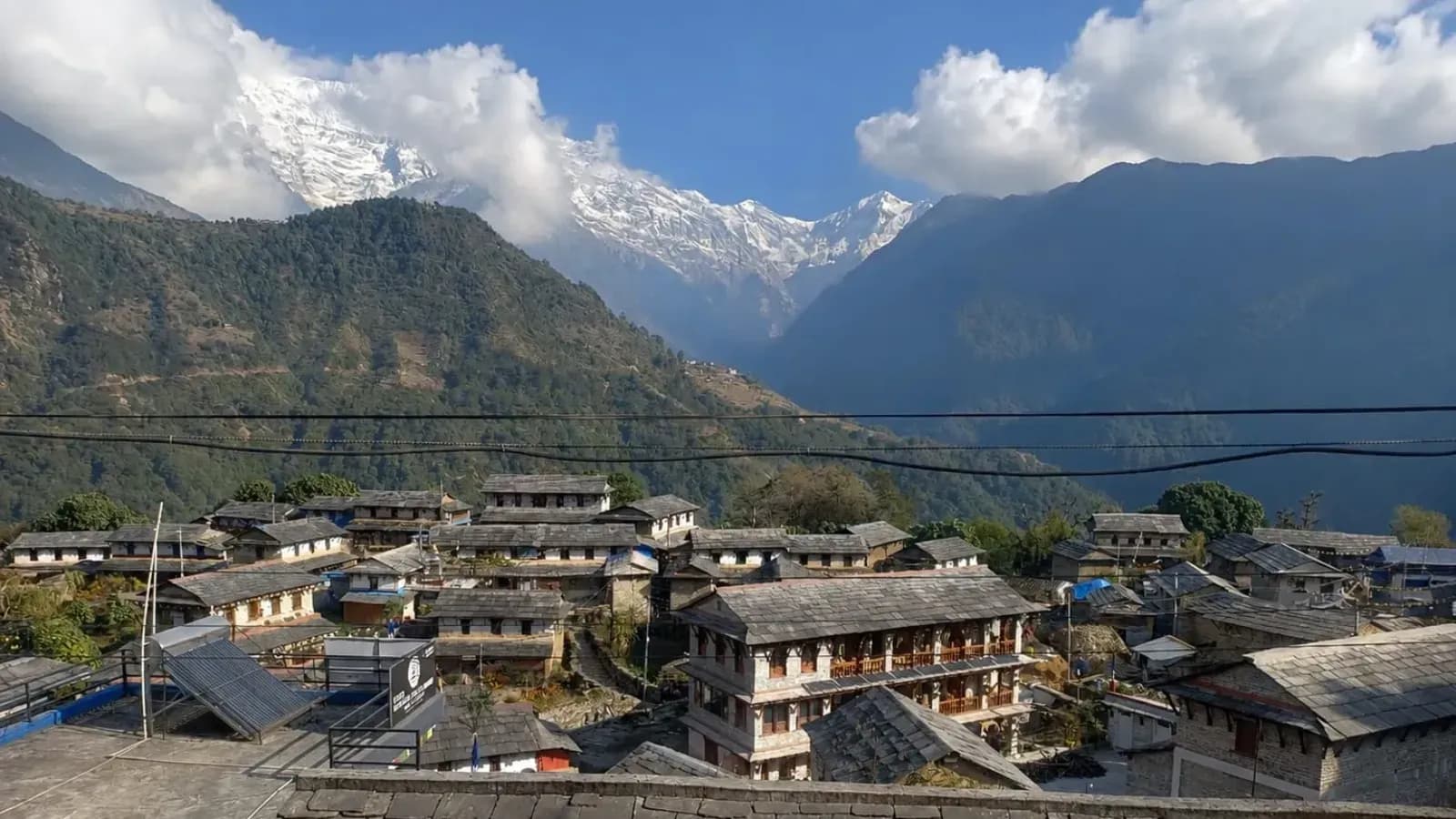
The established Everest Base Camp route follows the valleys and settlements of the Khumbu region. Namche Bazaar is one of the main stops along the way and an important place for acclimatization before continuing to higher elevations.
Transportation arrangements can vary between packages. Some itineraries include road travel for part of the journey, while helicopter services may be available for travelers looking for a faster or more convenient option.
Because transportation can affect both the cost and duration of the trip, it is worth checking these arrangements before booking.
How Many Days Are Needed for the Trek?
There is no single Everest Base Camp Trek itinerary that suits everyone. The appropriate duration depends on your available time, walking experience, fitness, and preferred pace.
A shorter itinerary may suit travelers with limited time, while a longer itinerary can provide a more gradual ascent and additional time for acclimatization.
When comparing itineraries, do not look only at the number of days. Pay attention to the daily walking schedule, elevation gains, rest days, and overnight stops. A well-planned itinerary should allow enough time for your body to adjust to the increasing altitude.
Everest Base Camp Altitude and Acclimatization
Altitude is one of the main challenges of the Everest Base Camp Trek. The trail reaches Everest Base Camp at 5,364 meters, while Kala Patthar rises to approximately 5,545 meters.
As the altitude increases, the air becomes thinner and the body needs time to adapt. Proper acclimatization is therefore an important part of the trek.
A sensible pace, adequate rest, sufficient fluid intake, and attention to your physical condition can all help. Symptoms of altitude sickness should never be taken lightly.
When comparing Everest Base Camp Trek packages, the acclimatization schedule deserves careful attention. An itinerary with a few extra days can be more suitable than a rushed schedule, even if it costs slightly more.
Accommodation on the Everest Base Camp Trek
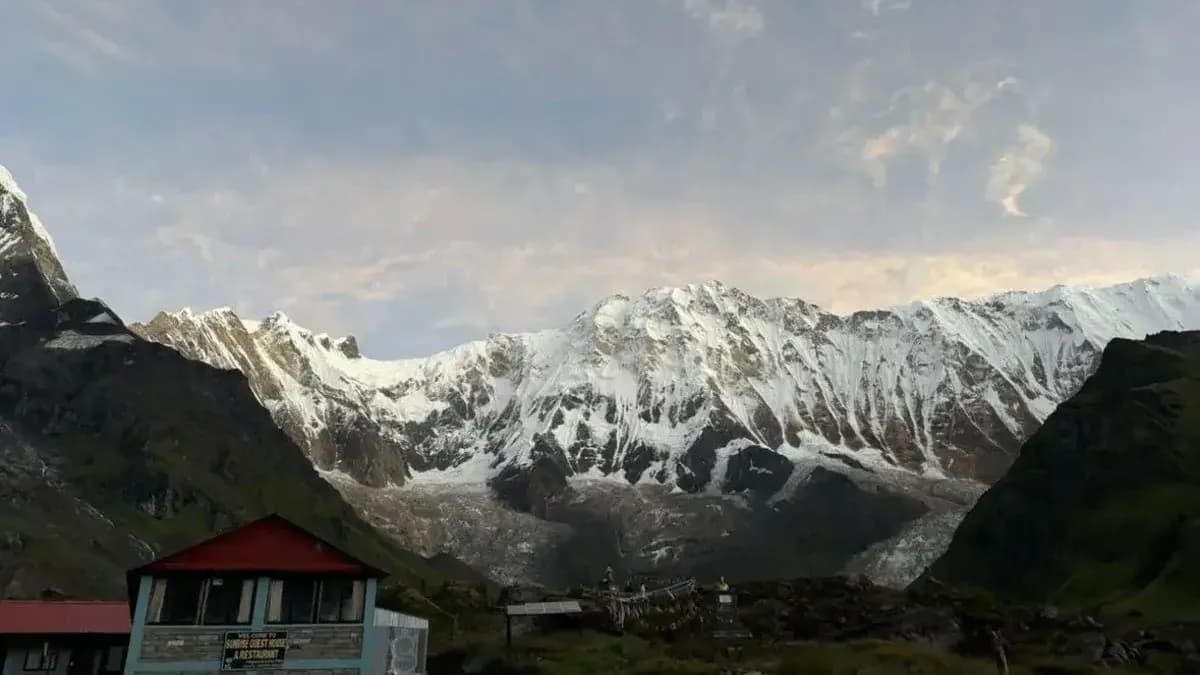
Teahouse lodges are the standard accommodation along the main Everest Base Camp trail. They provide a simple place to sleep, eat, and rest after a day of walking.
Facilities become more basic at higher elevations. Rooms are generally simple, and shared bathrooms are common, particularly in the upper sections of the route.
The standard of accommodation included in a package should therefore be checked in advance. It is also worth confirming whether hotels in Kathmandu are part of the package.
At high altitude, a warm meal and a dependable place to rest can be more important than luxury facilities.
Food and Meals on the Trail
Food is available throughout the main trekking route, with teahouses serving a mixture of Nepali dishes and familiar international meals.
Whether meals are included depends on the package. Some packages cover breakfast, lunch, and dinner during the trek, while others include accommodation and services but leave meals to the traveler.
Food and drinks generally become more expensive at higher elevations because supplies have to be transported into the mountains. Travelers often carry a few personal snacks for longer walking days.
Guide and Porter Support
A local guide can be particularly valuable for travelers who are unfamiliar with the Khumbu region. In addition to leading the route, a guide can assist with accommodation, communication, daily arrangements, and unexpected changes.
A guide can also provide insight into the local communities, Buddhist monasteries, traditions, and mountain environment along the route.
Porters carry the main luggage, allowing trekkers to walk with a lighter daypack. If porter service is included in your package, check the permitted luggage weight before departure.
For travelers who prefer to organize the rest of the trip independently, guide and porter services can also be arranged separately.
Group or Private Trek?
The choice between a group and private Everest Base Camp Trek largely depends on how you prefer to travel.
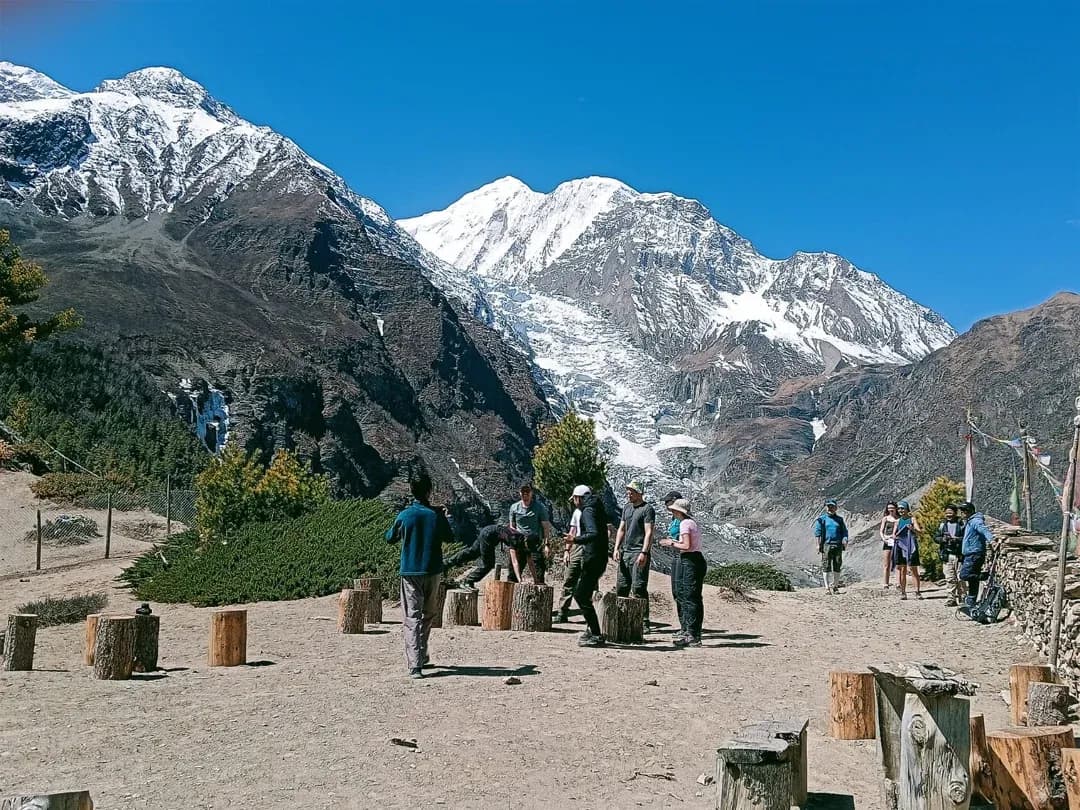
Group trips are usually more affordable and provide an opportunity to meet other trekkers. Private trips offer greater flexibility and can be particularly convenient for couples, families, or friends traveling together.
Neither option is necessarily better. A group trek may be ideal for a solo traveler on a budget, while a private trip may make more sense for someone who wants greater control over the daily schedule.
Best Time for Everest Base Camp Trek
The main trekking seasons for the Everest Base Camp Trek in Nepal are spring and autumn. These periods are popular because they generally offer favorable conditions for walking and good mountain visibility.
Spring brings warmer conditions and flowering landscapes in the lower valleys. Autumn follows the monsoon and is often known for clearer skies and crisp mountain views.
Winter is colder, particularly at higher elevations, while the monsoon season can bring rain, clouds, and wet trails.
The best time for Everest Base Camp Trek ultimately depends on your schedule, weather preferences, and how you feel about colder conditions or busier trails.
What Is Usually Not Included?
Package exclusions vary, but travelers should expect some expenses to be separate from the advertised price.
Common exclusions include:
- International airfare
- Nepal visa fees
- Travel insurance
- Personal trekking equipment
- Drinks and snacks
- Wi-Fi and charging
- Hot showers
- Tips
- Personal expenses
- Costs caused by flight delays or unexpected itinerary changes
Travel insurance is especially important for a high-altitude trek. Make sure your policy covers trekking at the required altitude and emergency evacuation where necessary.
How to Compare Everest Base Camp Trek Packages
Price is only one part of the decision. When comparing Everest Base Camp Trek Packages, look at the complete service rather than the advertised figure alone.
Consider the following:
- Trek duration and daily walking schedule
- Acclimatization days
- Accommodation
- Meals
- Guide and porter services
- Flights and other transportation
- Permits and fees
- Kathmandu accommodation
- Airport transfers
- Emergency arrangements
- Cancellation and postponement policies
- Services that are not included
It is also worth asking about flight delays and cancellations. Weather in the mountains can affect Lukla flights, so knowing the operator's arrangements in advance can make an unexpected delay easier to manage.
Preparing for the Everest Base Camp Trek
Good preparation makes the journey more enjoyable. You do not need previous mountaineering experience, but you should be comfortable walking for several hours a day on uneven and uphill terrain.
Regular walking, hiking, stair climbing, and cardiovascular exercise can help build endurance. Training while carrying a daypack is also useful, even if a porter will carry your main luggage.
Suitable footwear, warm clothing, sun protection, gloves, a sleeping bag, and other essential trekking equipment should be prepared before departure. Conditions can change quickly in the mountains, so being properly equipped is important.
Is an Everest Base Camp Trek Package Worth It?
For many travelers, a package is a convenient way to organize the trek. Arranging flights, accommodation, permits, guides, porters, meals, and transportation independently can require considerable planning.
A package brings many of these arrangements together, allowing travelers to concentrate on the trail and the experience.
That does not mean the most expensive package is the best choice. A traveler who is comfortable with basic services may find a budget or standard package perfectly suitable, while someone seeking greater comfort may prefer a private or luxury arrangement.
The right package is ultimately the one that matches your budget, schedule, expectations, and preferred level of support.
Final Thoughts
Choosing an Everest Base Camp Trek package is not simply about finding the lowest price. The quality of the itinerary, acclimatization schedule, transportation, accommodation, meals, and support services can have a much greater effect on the overall experience.
Understanding the differences between budget, standard, luxury, and guide-and-porter services makes it easier to compare your options and plan a realistic budget.
With good preparation and a sensible itinerary, the Everest Base Camp Trek offers an unforgettable opportunity to walk through the Khumbu region, experience Sherpa culture, and stand beneath Mount Everest, the world's highest mountain.