Introduction to Renjo La Pass Trek
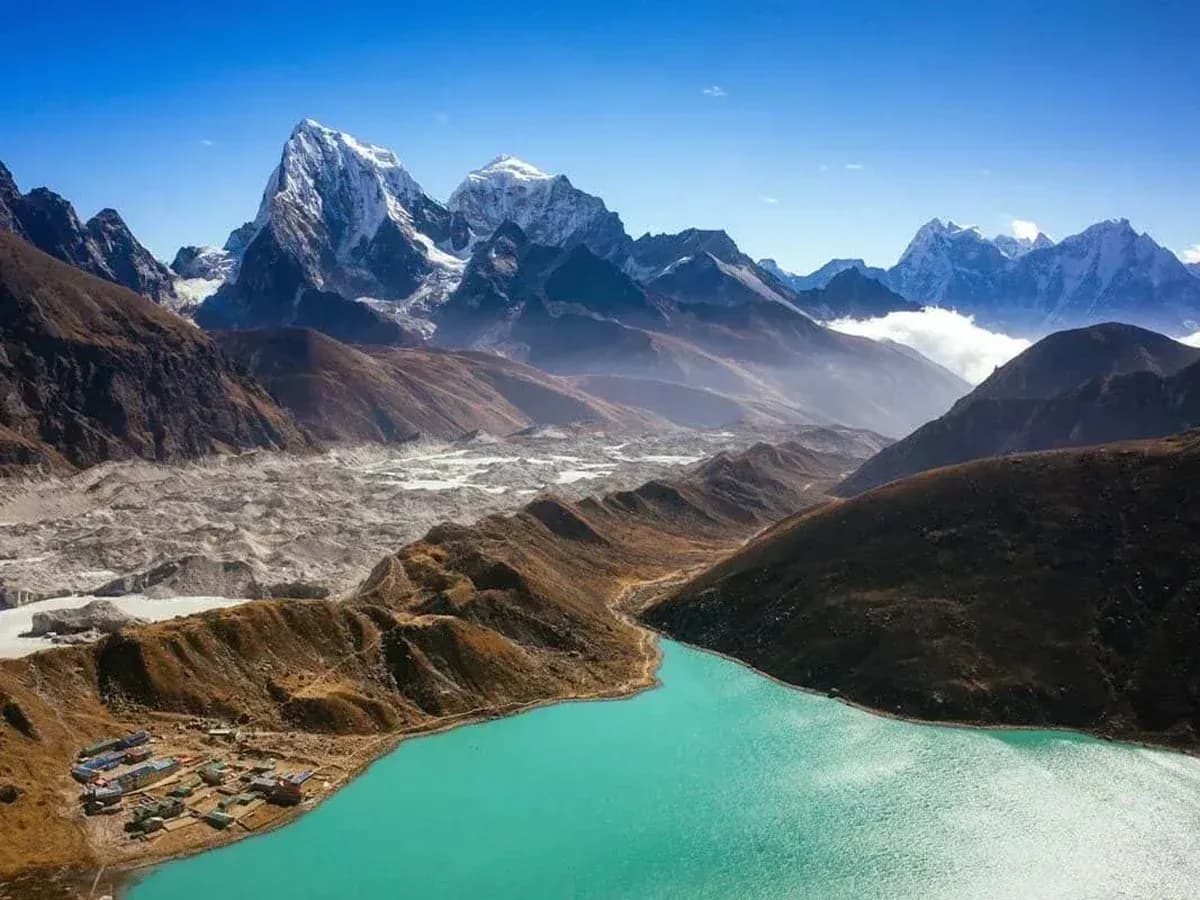
The Renjo La Pass Trek is a rewarding route in the Everest region, taking us through the beautiful Gokyo Valley before crossing Renjo La Pass (5,360m). Our 16-day itinerary follows the anti-clockwise route, allowing time to adjust to the altitude before reaching the pass. Along the way, we visit the Gokyo Lakes, hike to Gokyo Ri (5,357m), and enjoy views of Mount Everest, Lhotse, Cho Oyu, Makalu, and other Himalayan peaks.
The journey starts with a scenic flight to Lukla (2,840m), departing from Kathmandu or, during the busy trekking seasons, from Ramechhap (Manthali Airport). Located about 4–6 hours by road from Kathmandu, Ramechhap serves as the main departure point for Lukla flights during peak season. From Lukla, the trail follows the Dudh Koshi Valley toward Phakding, passing through small settlements and forested hillsides. We cross suspension bridges along the river before reaching Monjo and entering Sagarmatha National Park. From Jorsalle, the trail climbs through pine forest toward Namche Bazaar, where we spend time acclimatizing before heading into the quieter upper valleys.
After Namche, we leave the main Everest Base Camp trail and take the route toward Kyangjuma and Mong La. The trail climbs gradually before reaching the ridge at Mong La, with open views of Ama Dablam and the surrounding peaks. We then descend toward Phortse Tenga and continue through rhododendron and juniper forest to Dole. Beyond Dole, the route passes Lhabarma and Luza before reaching Machhermo. The landscape becomes increasingly open as the trail climbs above the tree line, with yak pastures and rugged mountain slopes replacing the lower forests.
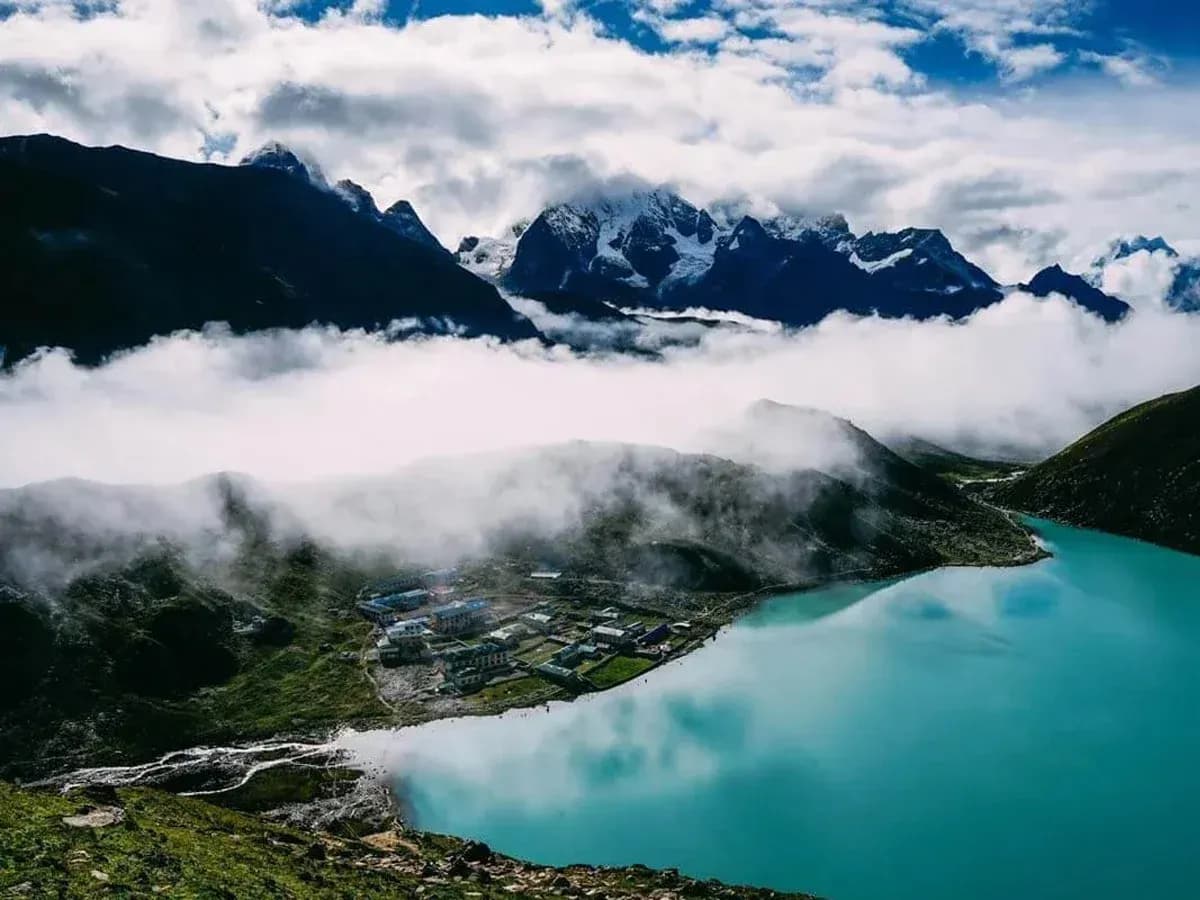
From Machhermo, we continue toward Pangka and the Ngozumpa Glacier. The trail follows the edge of the glacier and passes the Gokyo Lakes before reaching Gokyo Village (4,750m). The village is surrounded by glacial lakes and high peaks, making it an ideal place to explore the upper valley. We make an early morning ascent of Gokyo Ri (5,357m), where the high mountain panorama includes Mount Everest, Cho Oyu, Lhotse, Makalu, the Ngozumpa Glacier, and the lakes below.
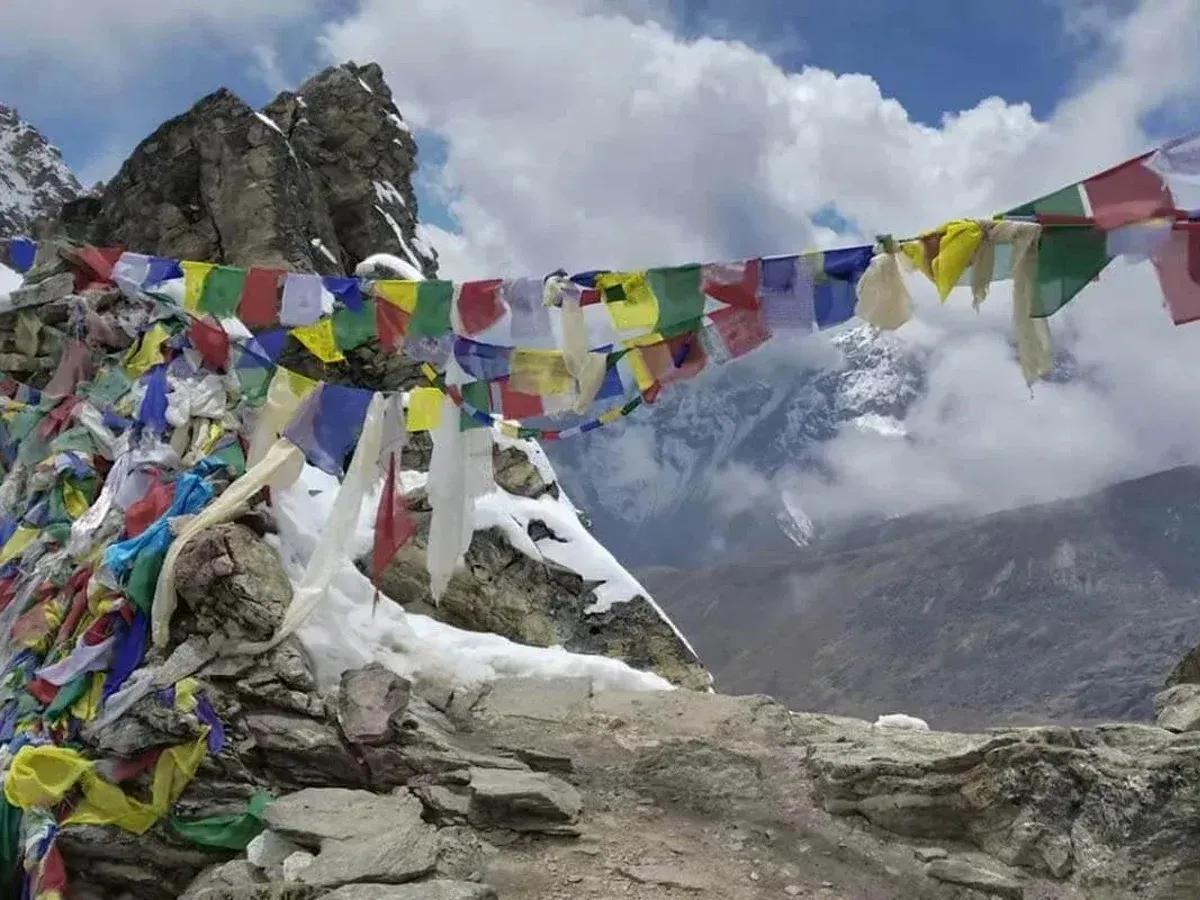
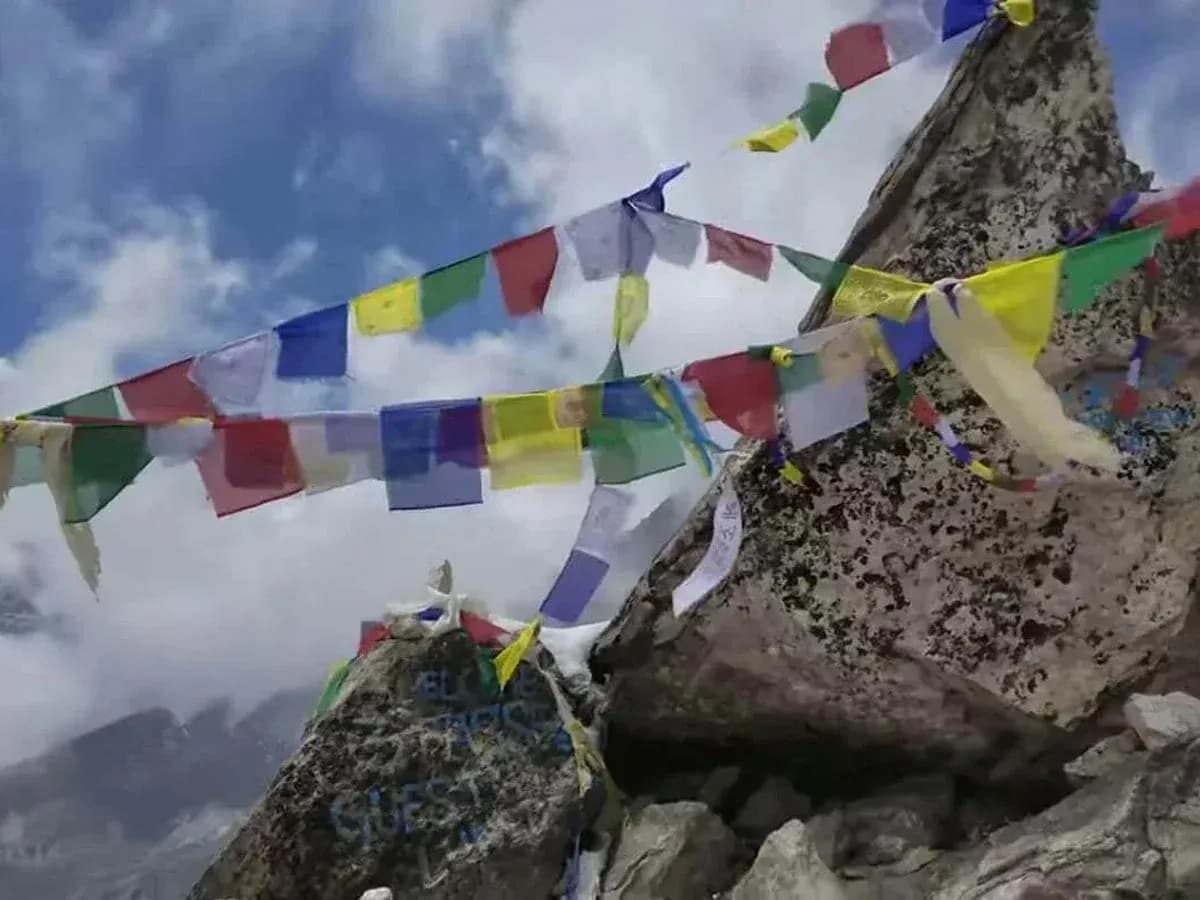
From Gokyo, the route turns north toward Renjo La. The trail gradually climbs across rocky terrain toward the pass, with the landscape becoming increasingly rugged as we approach the high point. After crossing Renjo La Pass, we descend toward Lungden on the eastern side. The descent leads into a quieter and more remote part of the Khumbu region, where the scenery changes from the glacial landscape around Gokyo to dry mountain slopes and high-altitude valleys.
We continue from Lungden to Marlung and then follow the Bhote Koshi Valley toward Thame. The route passes traditional settlements and follows the river through a less-traveled part of the region. Thame (3,800m) is one of the oldest Sherpa villages in the Khumbu region and is known for its cultural and religious heritage. We can visit Thame Monastery and take time to experience the quieter village surroundings before continuing toward Namche Bazaar.
From Thame, the trail gradually descends through the Bhote Koshi Valley toward Namche Bazaar. We then follow the familiar Dudh Koshi route through Monjo and Phakding before reaching Lukla. The final section passes through forested hills, river valleys, suspension bridges, and Sherpa settlements, bringing the journey to an end. From Lukla, we take a morning flight back to Kathmandu or, during the peak trekking seasons, to Ramechhap (Manthali Airport).
Our trek can be customized to suit your schedule, budget, and preferences. Our experienced local team will help plan an itinerary that fits your needs. If you have any questions, contact us, or book your trek to explore Gokyo Valley, cross Renjo La Pass, and experience traditional Sherpa villages and mountain scenery.
Highlights of the Renjo La Pass Trek
- Cross the Renjo-La Pass 5,360 meters.
- Stunning view from Renjo-La Pass.
- Allowed to summit Gokyo Peak 5,357 meters.
- The 4 highest mountain views over the 8,000 meters, Cho yu, Lhotse, Everest, and Makalu.
- Lakes heritage land with blue sky color Gokyo lakes.
- Sherpa culture heritage.
- Ancient Buddhist Monasteries.