Introduction to Lobuche East Peak Climbing
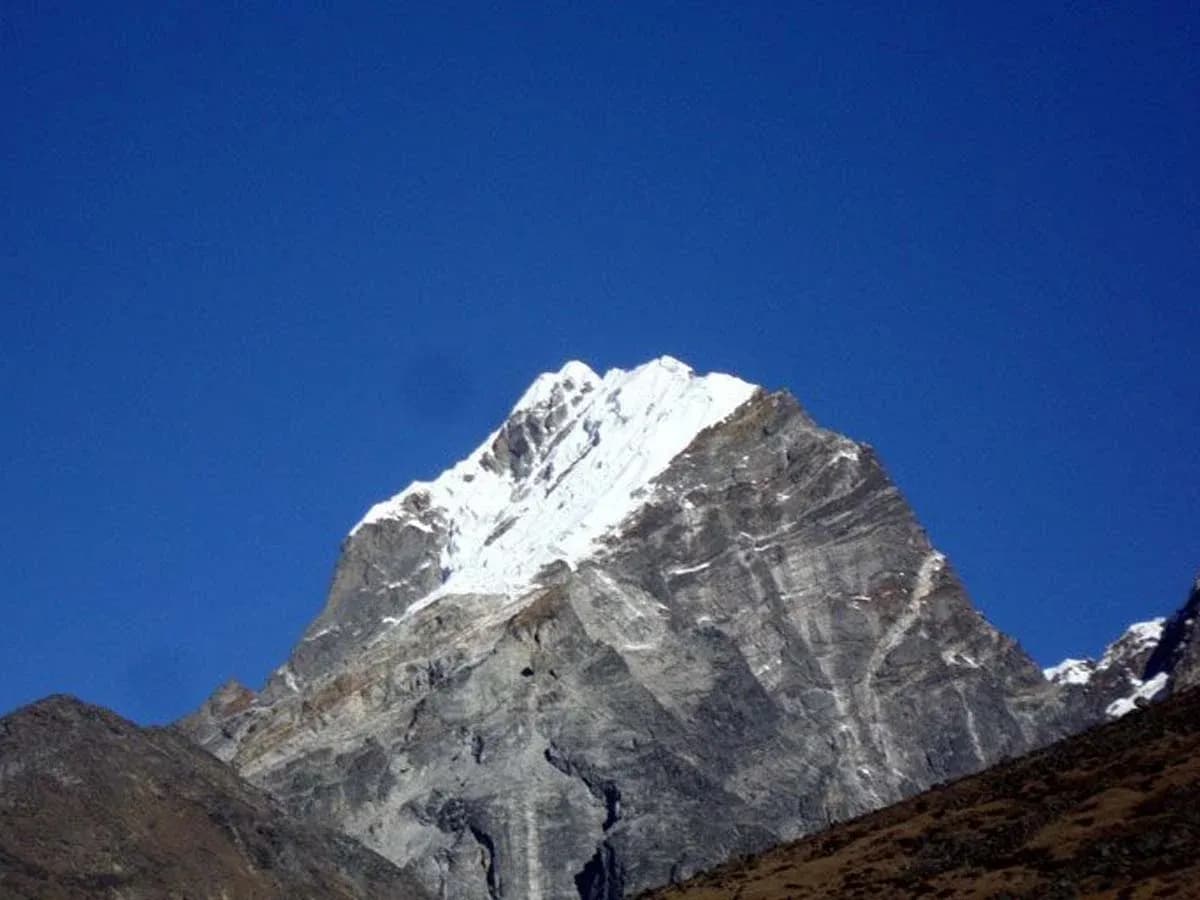
Lobuche Peak, located in Nepal’s Khumbu region, features two distinct summits: Lobuche East (6,119m) and Lobuche West (6,145m). The two summits are connected by a continuous ridge but are separated by a sharp gap, with Lobuche East being the more frequently climbed. The East Peak is typically accessed via the South Ridge, which leads to smaller summits before reaching the true summit. Many climbers mistakenly stop at the false summits, which are located just southeast of the true East Peak. The actual summit requires descending into a marked notch and ascending steep snow and ice slopes, making it a more challenging and less frequently reached destination.
Lobuche West, slightly higher than the East Peak, offers a more difficult ascent with steeper and more technical terrain. The ridge connecting the two peaks is continuous, but the gap between them presents significant challenges. Lobuche West is therefore less commonly climbed. Both peaks require a mix of rock, ice, and snow climbing, demanding strong mountaineering skills and experience with high-altitude environments. While Lobuche East is often chosen for its accessibility, Lobuche West presents a more demanding challenge for those with advanced technical abilities.
Climbers attempting Lobuche Peak need a climbing permit, and many choose to tackle it as part of the Everest Base Camp trek. The mountain provides spectacular views of the Khumbu Glacier and the surrounding Himalayan peaks, making it a rewarding goal for experienced mountaineers. Whether climbing the East, Lobuche offers a memorable and challenging Himalayan experience.
Highlights of the Lobuche East Peak Climbing
- Breathtaking Views: Panoramic vistas of Everest, Lhotse, Ama Dablam, and more from the summit
- Challenging Ascent: Technical climb with snow, ice, and fixed ropes
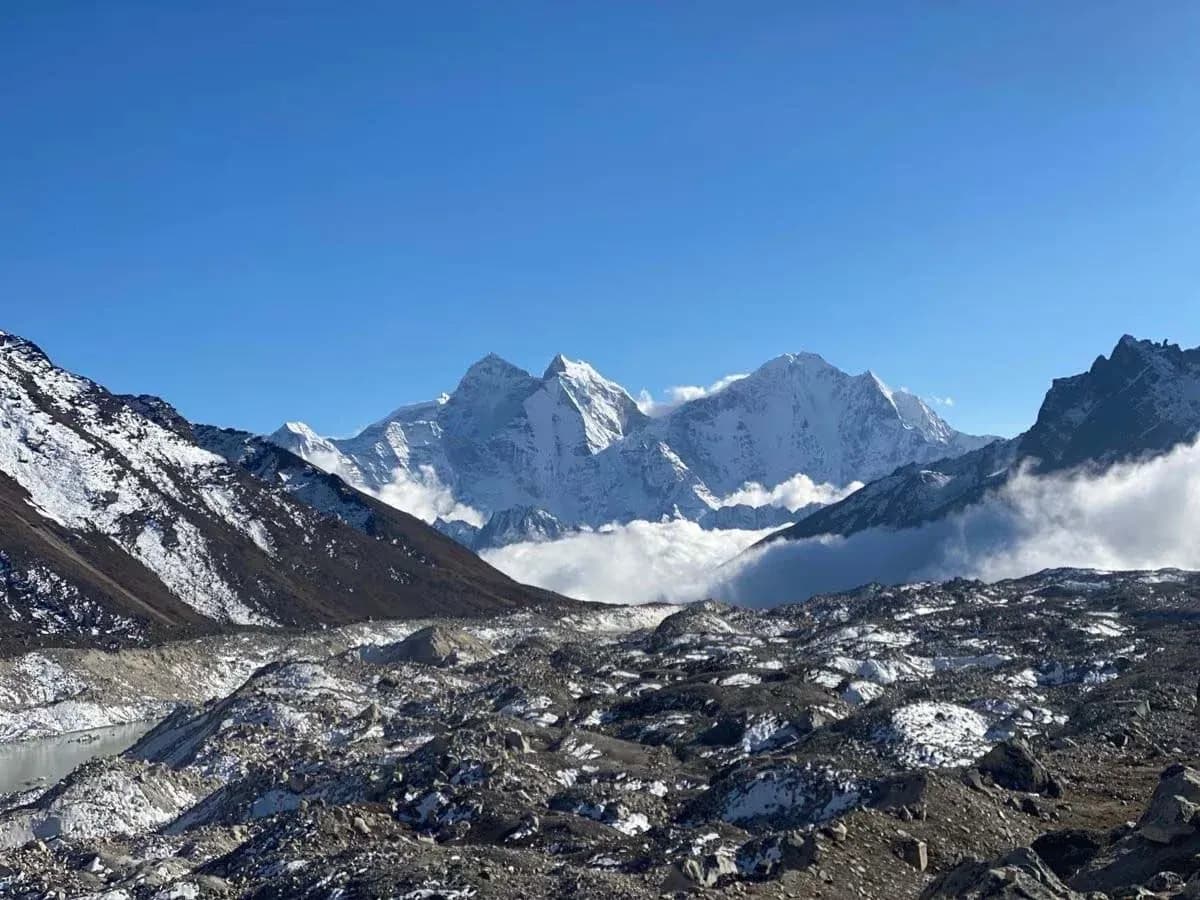
- Khumbu Glacier: Trek through the stunning Khumbu Glacier and moraine
- Kala Patthar: Hike to the famous viewpoint for incredible Everest views
- Everest Base Camp: Trek to the iconic Everest Base Camp, the gateway to Everest expeditions
- High Altitude Experience: Gain valuable mountaineering experience at high altitudes
- Remote Beauty: Explore quiet Sherpa villages and serene landscapes
- Sense of Achievement: A rewarding, less crowded summit experience