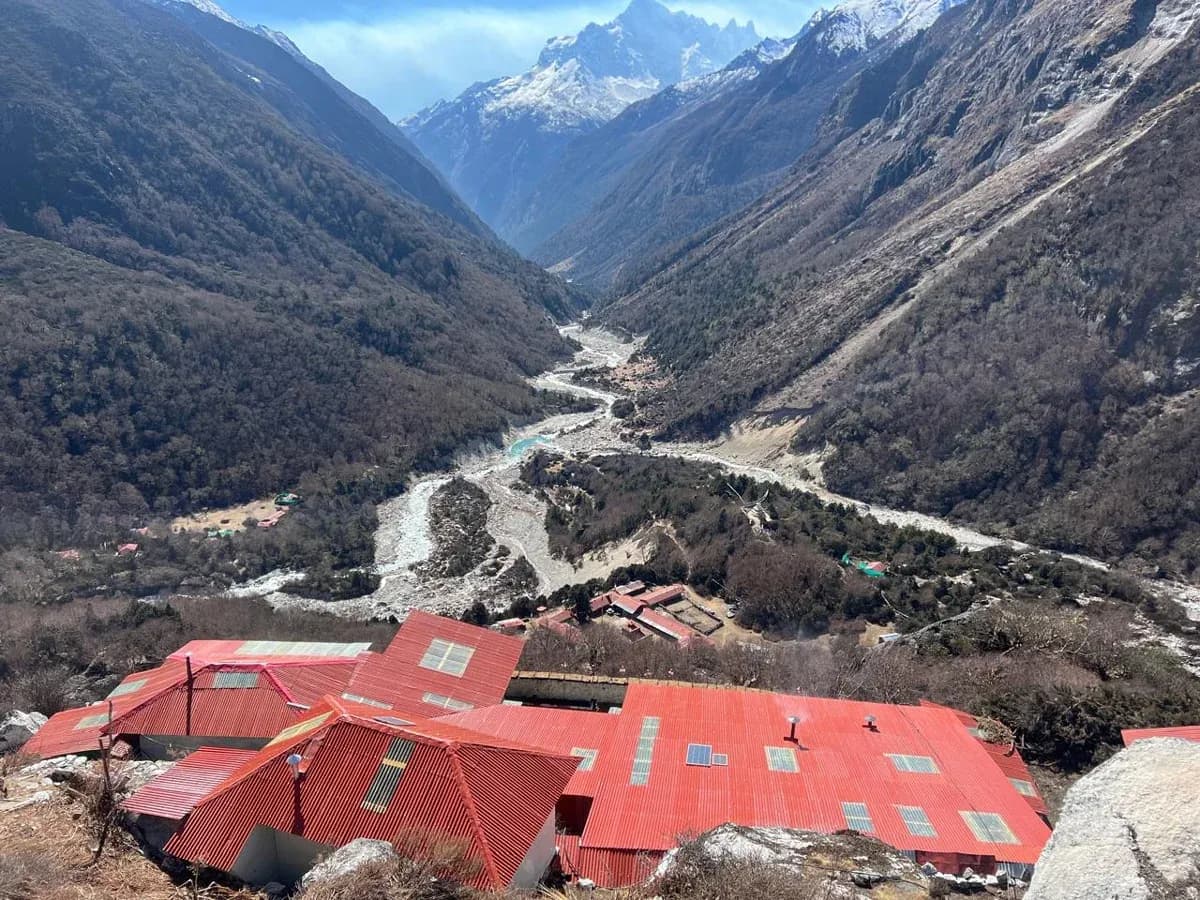
Introduction to Lapchi Milarepa Cave Trek
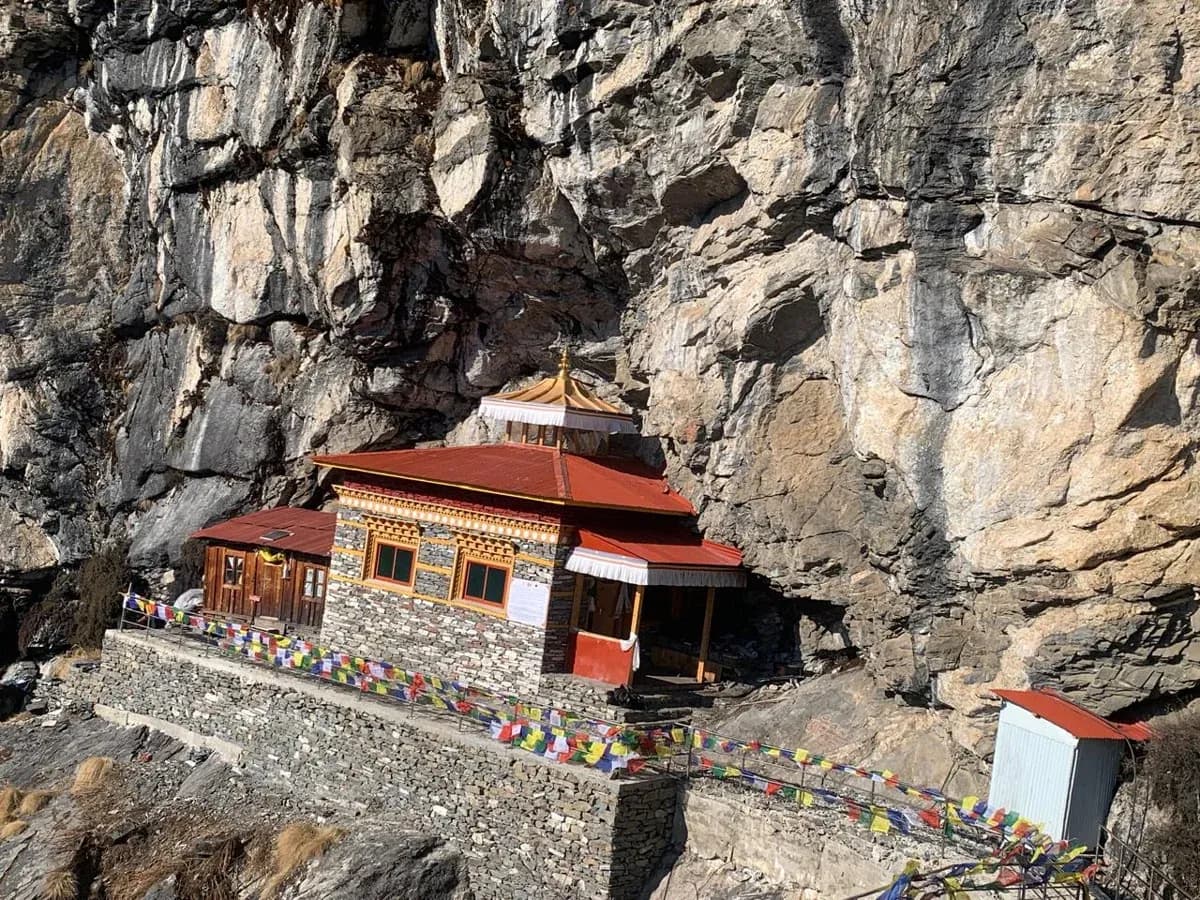
Hidden in the remote Himalayan frontier between Nepal and Tibet, the Lapchi Milarepa Cave Trek is one of the most spiritually significant and least-explored trekking routes in the Himalayas. Revered by Buddhist pilgrims for centuries, Lapchi is known as the meditation sanctuary of the great Tibetan yogi and poet Milarepa, who attained profound spiritual realization in the caves scattered throughout this sacred valley.
Far from crowded trekking trails, Lapchi offers an extraordinary combination of pristine mountain landscapes, ancient Buddhist heritage, and authentic cultural encounters. The journey follows remote valleys, traditional settlements, alpine meadows, and sacred pilgrimage sites beneath the towering presence of Lapchi Kang (7,367 m), creating an unforgettable experience for trekkers, pilgrims, and adventure seekers alike.
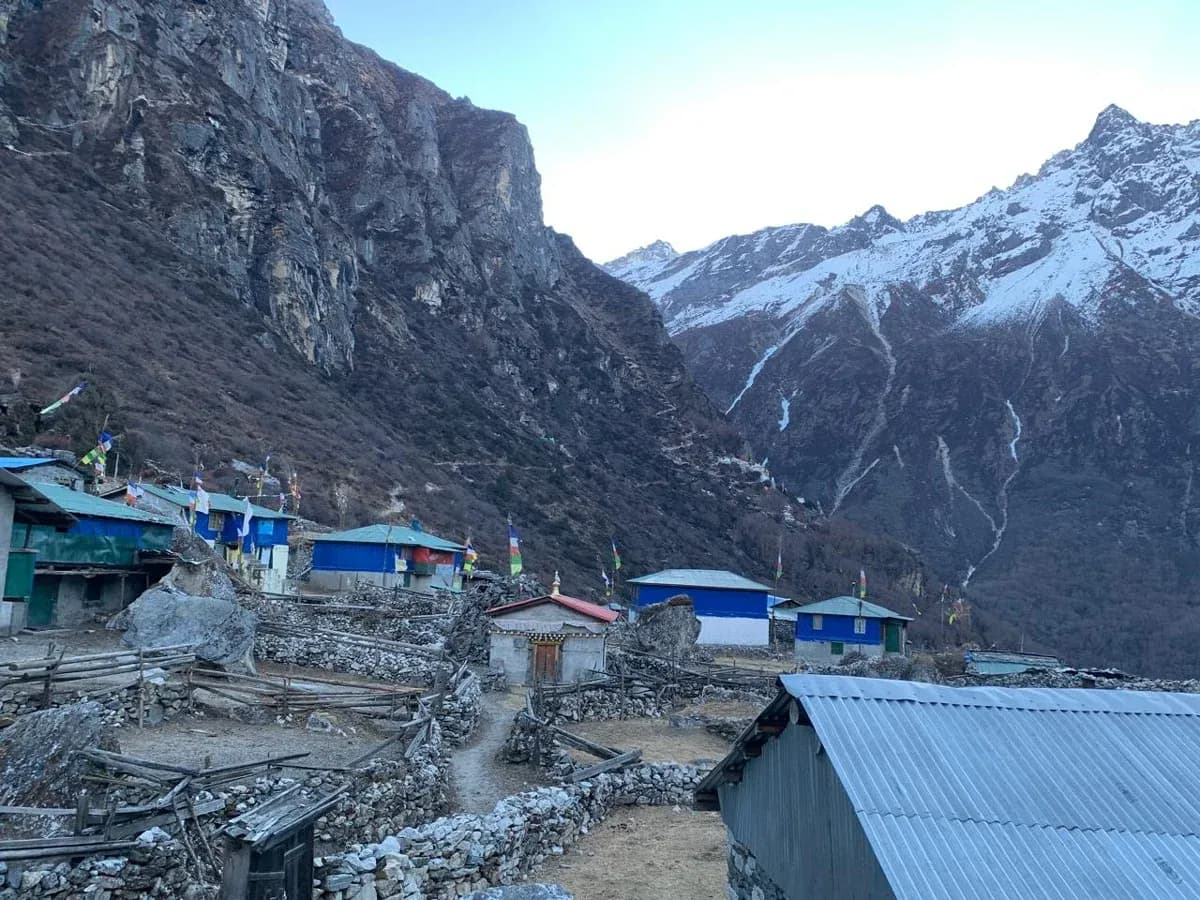
The trek typically begins with an 8–9 hour drive from Kathmandu to Lamabagar in the Rolwaling region of eastern Nepal. From there, the trail follows a scenic route through remote mountain villages and pristine valleys to the sacred Lapchi area. Along the way, trekkers enjoy stunning Himalayan landscapes, glacial rivers, waterfalls, and breathtaking views of the surrounding peaks.
Unlike more commercial trekking destinations, Lapchi remains remarkably untouched, offering solitude and a genuine wilderness experience. The region’s spiritual atmosphere, combined with its natural beauty, creates a journey that is both physically rewarding and deeply meaningful.
Highlights of the Lapchi Milarepa Cave Trek
- Visit the legendary Milarepa Cave, one of the most revered meditation sites in Himalayan Buddhism.
- Explore the sacred Lapchi Valley, a hidden spiritual sanctuary near the Nepal–Tibet border.
- Witness breathtaking views of Lapchi Kang and surrounding snow-capped Himalayan peaks.
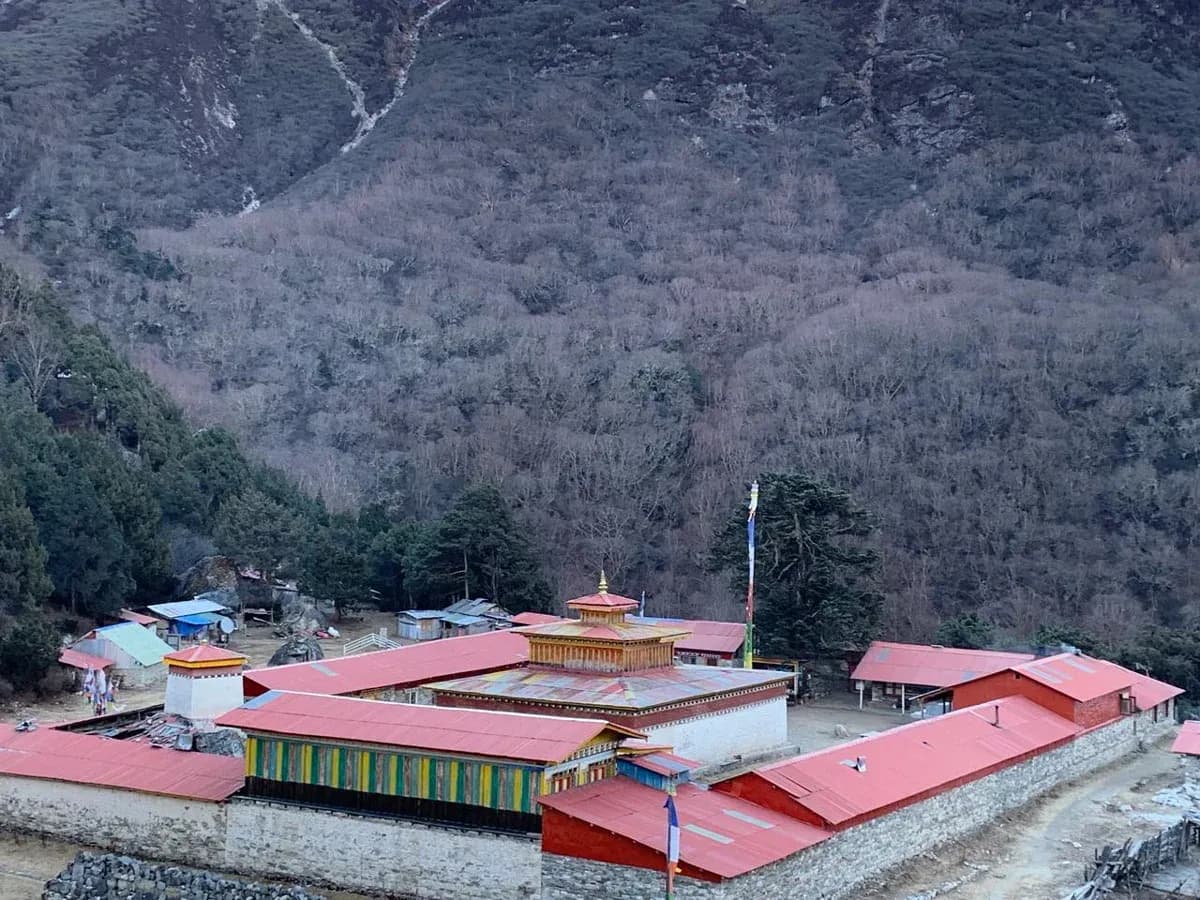
- Experience ancient Buddhist monasteries, hermitages, chortens, and prayer sites.
- Trek through untouched alpine landscapes, rhododendron forests, and glacial valleys.
- Encounter traditional mountain communities preserving centuries-old Himalayan culture.
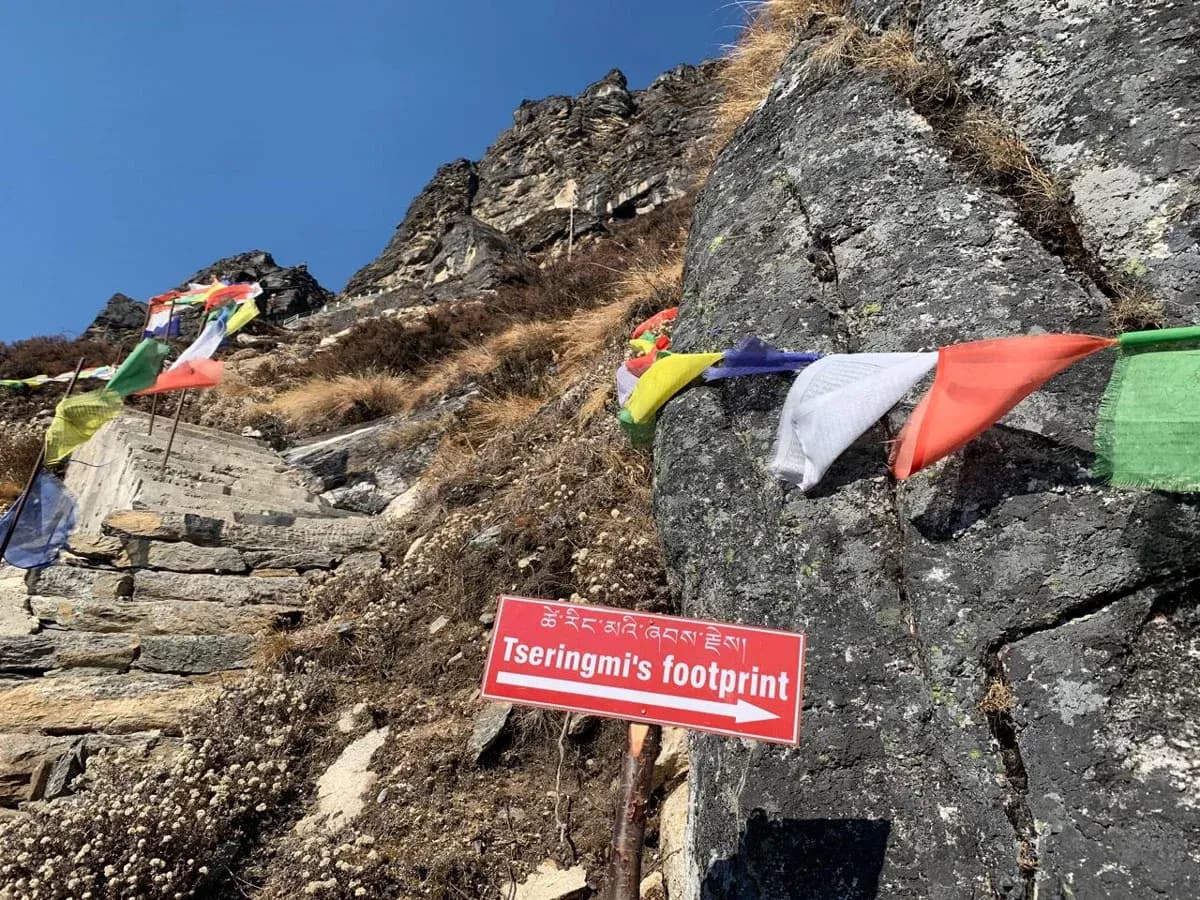
- Participate in a unique pilgrimage route visited by Buddhist devotees from Nepal and Tibet.