• Home
  • Nepal
  • Other Destinations
  • Blog
  • Company
Chat on Whatsapp

High-altitude treks, real local guides, and straight-up advice from the Himalayas.

TripAdvisor
Lonely Planet

Stay Ahead of the Mountains

Get trek updates, permit alerts, and seasonal tips straight from the Himalayas.

Contacts

Kaldhara-16, Kathmandu, Nepal

Tel: +977 1 5360765

WhatsApp: +977 9841353904

Email:[email protected] ,
[email protected]

Quick Links

  • Legal Documents
  • Terms & Conditions
  • About Us
  • Favourites
  • Blog

Activities

  • Trekking
  • Tours
  • Jungle Safari
  • Day Hiking
  • Helicopter Tours
  • Jeep Tours

Payment Methods

Payment Method
Payment Method
Payment Method

Recognized By

Association Logo
Association Logo
Association Logo
Association Logo
KEEP

© 2026 Alpine Adventure Club. All Rights Reserved

Built by Bishal

  1. Home
  2. Nepal
  3. trekking
  4. Langtang
  5. Langtang & Helambu Trek
Save

Langtang & Helambu Trek

5.0 (26 reviews in Tripadvisor)
Recommended by 99% of travellers
Save
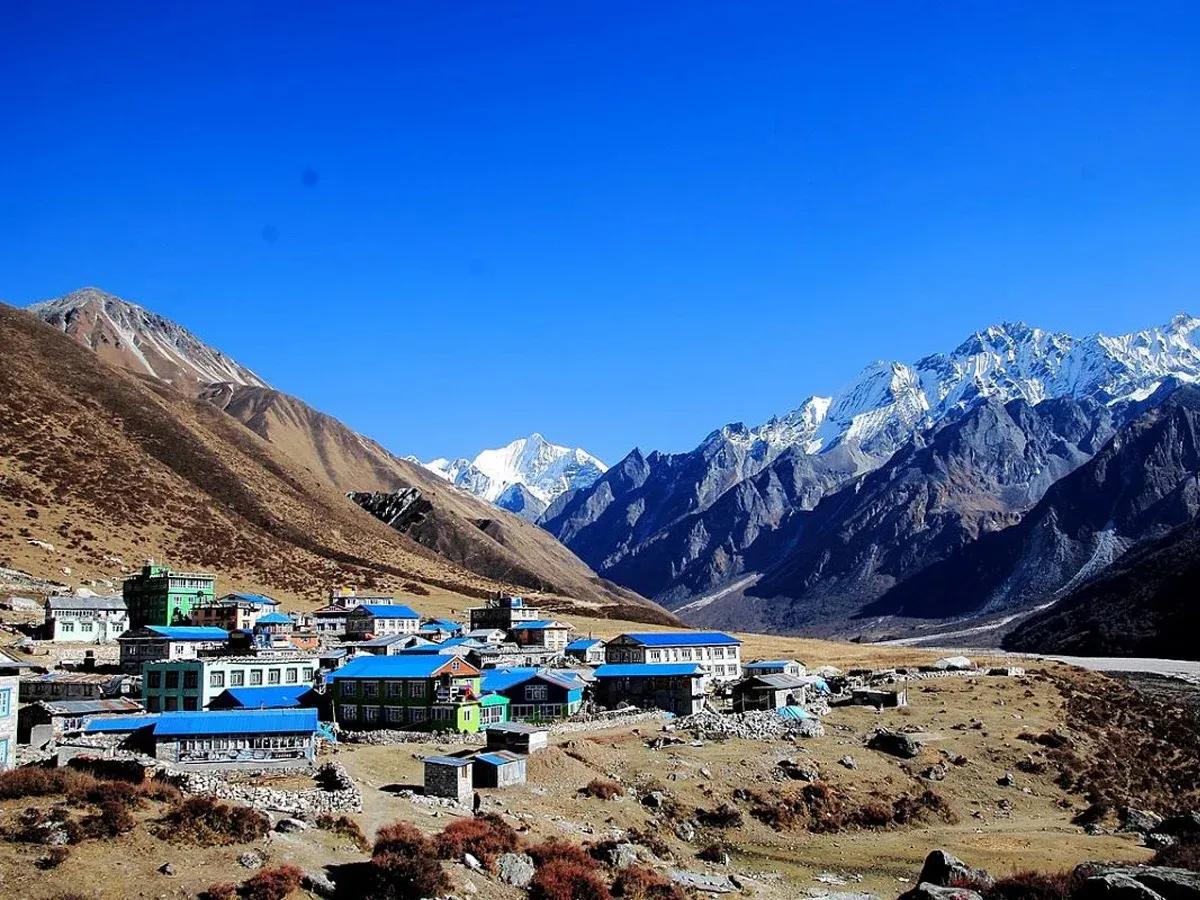
Langtang Helambu Trek
Langtang and Helambu Trek
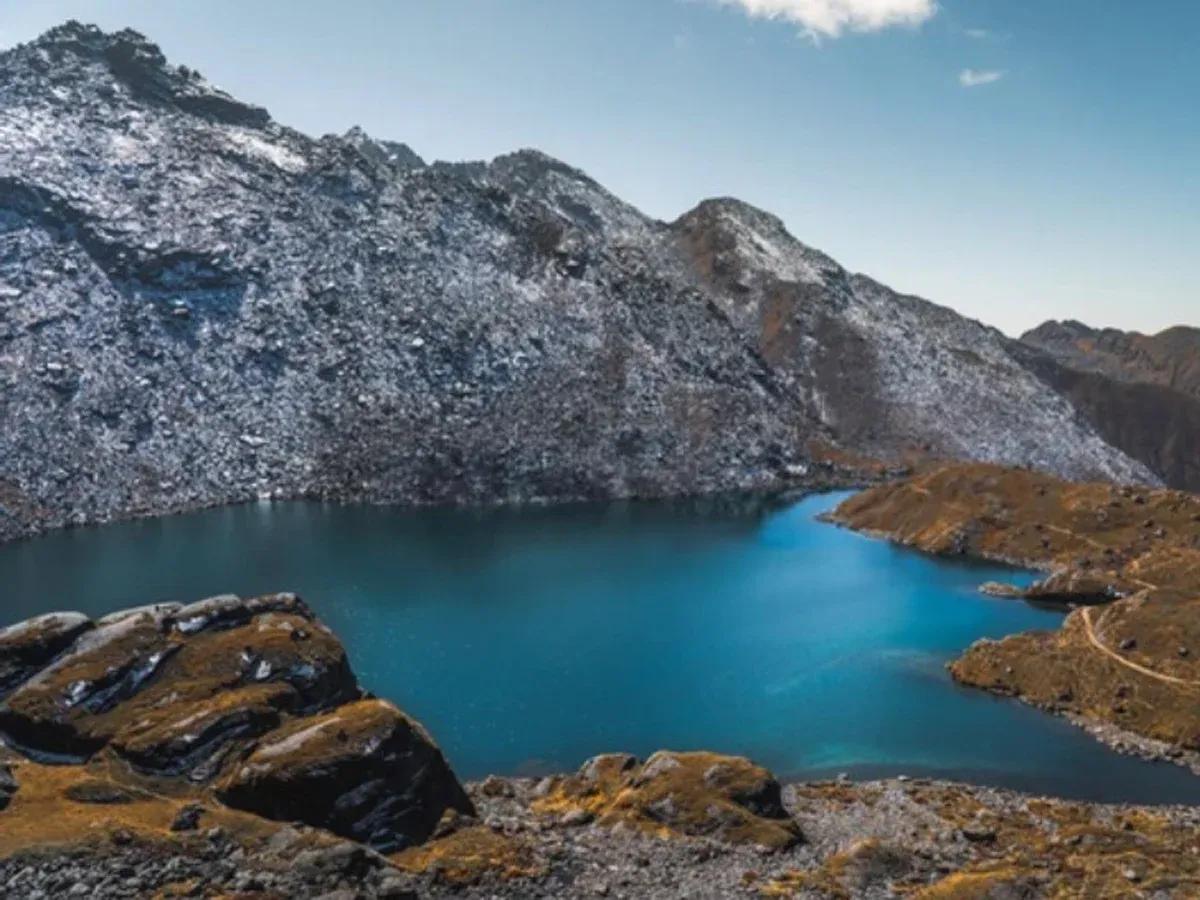
Lakes view from Langtang and Helambu trek
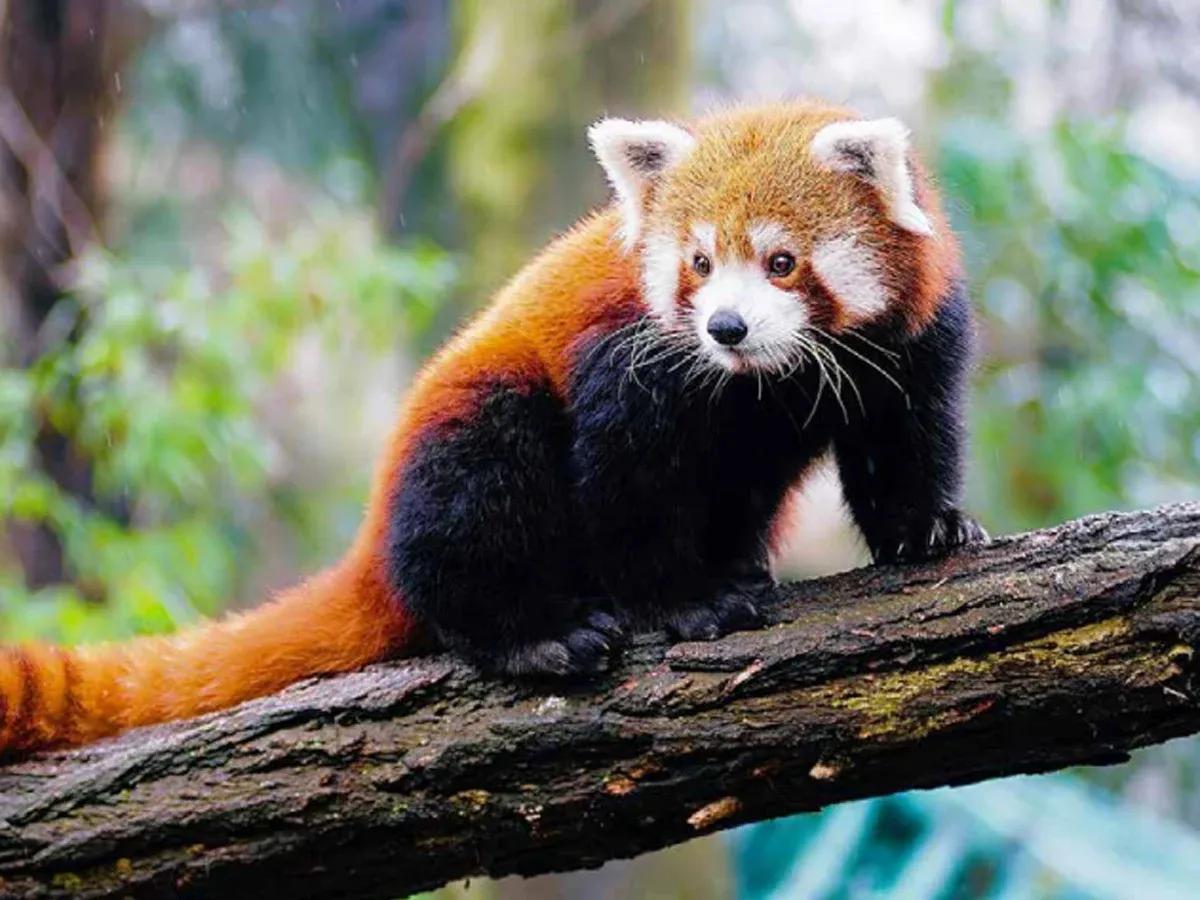
Red Panda valley
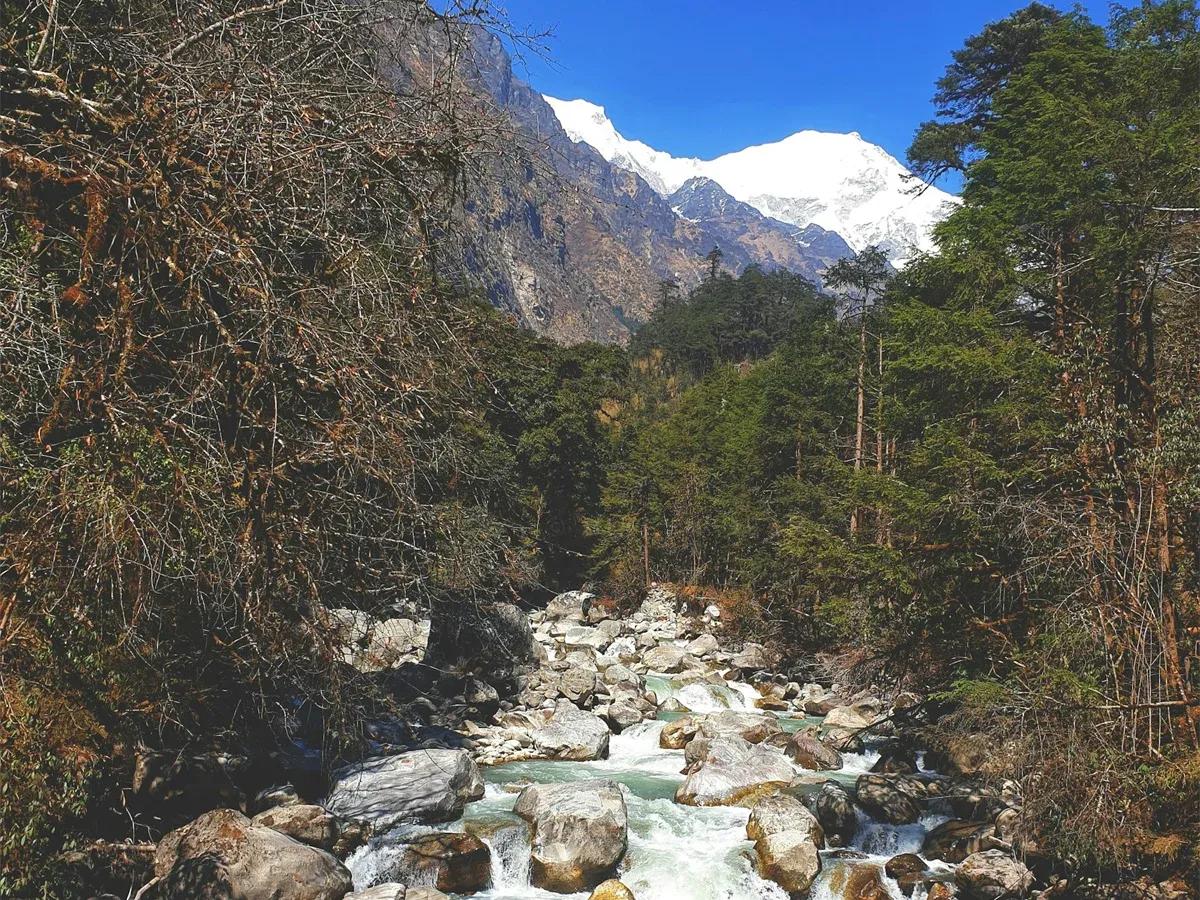
Langtang Helambu Trek
Langtang and Helambu Trek
Lakes view from Langtang and Helambu trek
Red Panda valley
1 / 4

Langtang & Helambu Trek: Key Facts at a Glance

  • Location
    Nepal
  • Region
    Langtang
  • Duration
    16 days
  • Group Size
    Min. 1 Pax
  • Max Elevation
    4,984 m
  • Difficulty
    Moderate
  • Accommodation
    Hotel/Lodge
  • Best Seasons
    Spring and Autumn
  • Start Point
    Kathmandu
  • End Point
    Kathmandu
  • Permit
    Required
  • Food
    Three Meals/Day

Introduction to Langtang & Helambu Trek

The Langtang & Helambu Trek brings together the Langtang Valley, Gosaikunda, and Helambu in one extended journey north of Kathmandu. The route starts at Syabrubesi and follows the Langtang Valley toward Kyanjin Gompa before returning to the lower valley and continuing toward the high-altitude lakes around Gosaikunda. After crossing Lauribina Pass, the trail enters Helambu and gradually descends through forested hills and traditional villages toward Sundarijal.

The Langtang section follows the river through forests and mountain settlements, with the scenery changing as the trail gains elevation. From Langtang Village, we continue to Kyanjin Gompa (3,870m), where you can spend time exploring the surrounding valley or take an optional hike to Kyanjin Ri (4,773m) or Tsergo Ri (4,984m). These higher viewpoints provide a closer look at the mountains and glaciers surrounding the upper Langtang Valley.

We then retrace the trail toward the lower valley and continue through Thulo Syabru and Sing Gompa before climbing toward Gosaikunda Lake (4,460m). The lake is an important pilgrimage site for Hindu and Buddhist devotees and is surrounded by a rugged high-altitude landscape. From Gosaikunda, the trail crosses Lauribina Pass (4,610m) and descends into the Helambu region.

The final part of the journey passes through Ghopte, Tharepati, Kutumsang, and Chisapani before reaching Sundarijal. From here, we arrange transportation back to Kathmandu. The combination of the Langtang Valley, Gosaikunda, and Helambu makes this trek a varied route for travelers who want to experience mountain scenery, local culture, high-altitude landscapes, and traditional villages within one itinerary.

Highlights of the Langtang & Helambu Trek

  • Explore the Langtang Valley and its mountain landscapes
  • Visit Kyanjin Gompa and hike to Kyanjin Ri or Tsergo Ri
  • Experience Tamang culture and traditional mountain villages
  • Visit the sacred Gosaikunda Lake (4,460m)
  • Cross Lauribina Pass (4,610m)
  • Trek through the forests and villages of Helambu
  • Enjoy views of Langtang, Ganesh Himal, Manaslu, and surrounding peaks
  • Finish the trek at Sundarijal with a drive back to Kathmandu
Trip Itinerary for Langtang & Helambu Trek

Detailed Day-to-Day Itinerary

Day 01 Arrive in Kathmandu

Duration:
~30 minutes
Accommodation:
Hotel
Upon arrival at Tribhuvan International Airport, our representative will welcome you and transfer you to your hotel by private vehicle. After check-in, you can rest and relax after your journey. If time permits, our team will meet you for a short briefing about the trek and answer any questions about the itinerary and preparations.

Day 02 Kathmandu Sightseeing and trek preparation

Duration:
~4-5 hours
Accommodation:
Hotel
After breakfast, we explore some of Kathmandu's important cultural and religious landmarks. The sightseeing program includes Pashupatinath Temple, Boudhanath Stupa, Swayambhunath, and Kathmandu Durbar Square. After the tour, we return to the hotel and make the final preparations for the trek.

Day 03 Drive from Kathmandu to Syabrubesi (1,503 m)

Duration:
~6-8 hours
Accommodation:
Lodge
We leave Kathmandu and drive north toward Syabrubesi, the starting point of our trek. The road passes through the hills and settlements of the Trishuli Valley, with views of terraced farmland, rivers, and forested slopes along the way. As we approach Dhunche and enter the Langtang region, the landscape becomes more mountainous. We continue to Syabrubesi and settle into our lodge for the night.

Day 04 Syabrubesi trek to Lama Hotel (2,400 m)

Duration:
~6-7 hours
Accommodation:
Lodge
Our trek begins by crossing the Bhote Koshi and Langtang Khola on suspension bridges before following the river upstream. The trail passes through forest and small settlements, with sections of gradual and steeper climbing along the way. We walk through bamboo, oak, and rhododendron woodland before reaching Lama Hotel, situated beside the Langtang Khola.

Day 05 Lama Hotel trek to Langtang village (3,430 m)

Duration:
~6-7 hours
The trail continues through a forested section of the valley, gradually gaining elevation as we head toward Ghoda Tabela. Beyond the national park checkpoint, the valley opens up and the vegetation becomes less dense. We pass through small Tamang settlements, mani walls, and yak pastures before reaching Langtang Village. The village is surrounded by cultivated fields and mountain scenery.

Day 06 Langtang village trek to Kyanjin Gompa (3,870 m)

Duration:
~3-4 hours
Accommodation:
Lodge
Today we continue farther into the upper Langtang Valley. The trail passes through Mundu and Sindum before crossing the Langtang Khola and entering a more open landscape. As we approach Kyanjin Gompa, the surrounding peaks and glacial features become increasingly visible. After reaching the village, we have time to explore Kyanjin Gompa and the nearby area.

Day 07 Hike up to Kyanjin Ri (4,773 m) or Tsergo Ri (4,984 m)

Duration:
~4-8 hours
Accommodation:
Lodge
Today is dedicated to exploring the upper Langtang Valley. Depending on your fitness, weather, and trail conditions, you can hike to Kyanjin Ri or take the more demanding climb to Tsergo Ri. From these viewpoints, you can enjoy close views of Langtang Lirung, Kinshung, Yansa Tsenji, Dorje Lakpa, Ganchempo, and other peaks. After the hike, we return to Kyanjin Gompa for the night.

Day 08 Kyanjin Gompa trek to Lama Hotel (2.470 m)

Duration:
~6-7 hours
Accommodation:
Lodge
We retrace our route down the Langtang Valley, following the trail through the villages and forests we passed earlier in the trek. The majority of today's walk is downhill, providing a welcome change after the previous day's higher-altitude hike. We pass Langtang Village, Ghoda Tabela, and the forested sections of the valley before arriving at Lama Hotel.

Day 09 Lama Hotel to Thulo Syabru (2,260 m)

Duration:
~5-6 hours
Accommodation:
Lodge
After leaving Lama Hotel, we descend toward the Langtang Khola and continue through Bamboo before reaching the junction for Thulo Syabru. From here, the trail climbs through the forest and along the hillside toward the village. Thulo Syabru is a traditional settlement with stone houses, terraced fields, and views across the surrounding hills.

Day 10 Thulo Syabru trek to Sing Gompa (3,330 m)

Duration:
~4-5 hours
Accommodation:
Lodge
We leave Thulo Syabru and climb steadily through forests toward Sing Gompa, also known as Chandanbari. The trail passes through Dursagang and follows the ridge through hemlock and oak forest. As we gain elevation, the vegetation changes and the views gradually open toward the mountains. Sing Gompa is known for its monastery and local yak cheese production.

Day 11 Sing Gompa trek to Gosaikunda (4,460 m)

Duration:
~5-7 hours
Accommodation:
Lodge
Today's route takes us into the high-altitude landscape surrounding Gosaikunda. The trail climbs gradually toward Lauribinayak, with views across the Langtang range and surrounding highlands. Higher up, we pass several smaller lakes, including Saraswati Kunda and Bhairav Kunda, before reaching Gosaikunda. The lake is an important pilgrimage site for both Hindu and Buddhist communities and is often frozen during the winter months.

Day 12 Gosaikunda trek to Ghopte (3,440 m) Over the Lauribina La Pass (4,610 m)

Duration:
~6-7 hours
Accommodation:
Lodge
We begin the day by climbing through rugged high-altitude terrain toward Lauribina Pass. The trail passes several small lakes before reaching Lauribina Pass (4,610m), the highest pass on this section of the trek. After crossing the pass, we descend through rocky and alpine terrain before entering areas of scrub and forest. The trail continues through a series of ups and downs before reaching Ghopte.

Day 13 Ghopte trek to Kutumsang (2.450 m)

Duration:
~5-6 hours
Accommodation:
Lodge
From Ghopte, we follow a trail that crosses several ravines and old moraine sections before climbing to Tharepati. From Tharepati, we take the route toward Kutumsang and enter the Helambu region. The trail passes through meadows and forested ridges before descending through rhododendron woodland. We continue toward Kutumsang, a traditional hill settlement surrounded by green hills.

Day 14 Kutumsang trek to Chisapani (2,140 m)

Duration:
~5-6 hours
Accommodation:
Lodge
We continue through the lower Helambu hills, following a trail that alternates between gradual climbs and descents. The route passes through Gul Bhanjyang, Thodang Betini, and Chipling before reaching Pati Bhanjyang. From there, we make the final climb through fields and forest toward Chisapani. This section offers a quieter village experience as the trek moves farther from the high mountains.

Day 15 Chisapani trek to Sundarijal (1,400 m) drive to Kathmandu (1,350 m)

Duration:
~4-5 hours
Accommodation:
Hotel
An early start gives you the opportunity to enjoy sunrise views over the Himalayan ranges from Chisapani. We then continue through forested terrain toward Borlang Bhanjyang before descending toward Mulkharka, a traditional Tamang settlement. The final section follows the route toward Sundarijal, where our vehicle will meet you for the drive back to Kathmandu. After reaching the city, you can relax at your hotel.

Day 16 Depart Kathmandu

Duration:
~30 minutes
Your Langtang & Helambu Trek concludes today. Depending on your flight schedule, you will have some free time before our representative transfers you to Tribhuvan International Airport for your onward journey. We hope you return home with memorable experiences from the Langtang Valley, Gosaikunda, and Helambu.
Personalize Your Experience

Have your own ideas or special requirements? We're more than happy to tailor the itinerary to match your schedule, interests, and travel preferences. Let us help you create a personalized adventure that's truly yours.

Customize My Trip

Pricing Details

Price Includes

  • Airport pickup and drop-off by private vehicle
  • 3-star standard hotel accommodation in Kathmandu on a twin-sharing basis for two or more participants, including breakfast
  • Kathmandu sightseeing with a professional city guide, private vehicle, and monument entrance fees
  • Public bus transportation from Kathmandu to Syabrubesi
  • Private transportation from Sundarijal to Kathmandu
  • Normal teahouse/lodge accommodation during the trek on a twin-sharing basis for two or more participants
  • Three meals a day during the trek: breakfast, lunch, and dinner
  • Fresh fruit or chocolate dessert after dinner during the trek
  • Government-licensed, experienced, English-speaking trekking guide
  • Porter service during the trek, with one porter for every two guests and a maximum load of 20 kg per porter
  • Insurance for Nepalese staff, including trekking guides and porters
  • Langtang National Park entry fee
  • Shivapuri-Nagarjun National Park entry fee
  • Nepal Government taxes and company service charges

Price Excludes

  • Lunch and dinner in Kathmandu
  • International and domestic airfare
  • Nepal entry visa fee
  • Personal trekking equipment and clothing
  • High-risk medical and travel insurance, including emergency rescue and evacuation coverage
  • Personal first-aid kit and medications
  • Personal expenses such as laundry, telephone calls, Wi-Fi, and charging
  • Alcoholic and soft drinks, bottled or mineral water, and hot drinks during the trek
  • Hot showers and hot water charges where applicable
  • Tips for guides, porters, and other staff
  • Bank transfer or credit card processing charges
  • Additional accommodation or meals in Kathmandu resulting from early arrival, late departure, or early return from the mountain outside the scheduled itinerary
  • Expenses resulting from road conditions, weather, natural disasters, strikes, or other circumstances beyond our control
  • Any services or expenses not specifically mentioned under Price Includes
Important Note

The pricing is based on our standard plan suited for most customers. We also provide tailored solutions including both Budget and Premium Plans. Feel free to reach out to us directly.

Langtang & Helambu Trek Packing List

Here’s a concise guide of essentials to prepare smartly for your trek.

  • Thermal underwear (top & bottom)
  • Moisture-wicking T-shirts (2–3)
  • Thermal or wool socks (4–5 pairs)
  • Underwear (quick-dry)
  • Fleece jacket or pullover
  • Lightweight wool sweater
  • Insulated jacket (-10°C to -20°C)
  • Waterproof shell jacket with hood
  • Waterproof trousers
  • Lightweight hiking pants (2 pairs)
  • Windproof softshell (optional)
  • Warm hat, sun hat, buff or neck gaiter
  • Gloves (liner + insulated)
  • Sleepwear and casual evening clothes
  • Waterproof trekking boots (broken-in)
  • Camp shoes or sandals
  • Wool trekking socks (3–4 pairs)
  • Sock liners (optional)
  • Duffle bag (60–80L for porter)
  • Daypack (25–35L with rain cover)
  • Backpack rain cover
  • Garbage bags / bag liners
  • Packing cubes or dry bags (optional)
  • Sleeping bag (-10°C to -20°C rated)
  • Sleeping bag liner
  • Trekking poles
  • Headlamp (extra batteries)
  • Water bottles (2 x 1L Nalgene)
  • Water purification tablets or filter
  • Sunglasses with UV protection
  • Dry snacks (energy bars, trail mix)
  • Pocket knife (optional)
  • Altitude sickness meds (Diamox)
  • Blister treatment (moleskin, Compeed)
  • Biodegradable soap & shampoo
  • Toothbrush & toothpaste
  • Quick-dry towel
  • Wet wipes & hand sanitizer
  • Toilet paper
  • Lip balm (SPF) & sunscreen (SPF 30+)
  • Nail clippers, tweezers
  • Razor (optional)
  • Personal first aid kit
  • Prescription medications
  • Electrolyte powder
  • Basic cold/flu medicine
  • Power bank
  • Charging cables
  • Travel adapter (Nepal types C, D, M)
  • Phone / camera
  • Offline maps or trekking guide app
  • Notebook, pen
  • Copies of passport & permits
  • Extra passport photos
  • Cash (Nepali rupees)
  • Passport (original)
  • Travel insurance with high-altitude coverage
Important Note

Sleeping bags and down jackets are available for rent in Kathmandu, while other trekking gear can be easily purchased. At Alpine Adventure Club, we’ll make sure all your essentials are ready so you’re fully prepared for your adventure.

Frequently Asked Questions

Overview & Essentials

Typically, packages include accommodation, meals during the trek, guide and porter services, permits, and ground transportation. Flight costs, insurance, and personal expenses are usually excluded.
While prior trekking experience helps, most treks are designed to be achievable with average fitness. Some high-altitude treks may require conditioning or preparation beforehand.
There is no strict age limit, but participants should be reasonably fit. Trekkers above 60 or with health conditions should consult a doctor before the trip.

Arrival & Visas

Most travelers require a tourist visa, which can often be obtained on arrival or online. Check your country’s embassy website for up-to-date visa policies.
Airport pickup is often included in the tour package. If not, taxis or pre-arranged transport options are available and reliable.
Yes, arriving early is a great way to rest and adjust before your trek. We can help arrange additional accommodations if needed.

Health & Safety

Guides are trained in first aid and will assist you immediately. In serious cases, evacuation (often by helicopter) can be arranged. Travel insurance with emergency coverage is strongly recommended.
Yes, especially above 2,500 meters. Our itineraries are designed with gradual acclimatization and rest days to help prevent it. Drinking water, eating well, and resting are key.
Yes, all certified guides are trained in altitude awareness, first aid, and emergency protocols to ensure your safety throughout the trek.

Weather & Temperature

Spring (March–May) and autumn (September–November) are the most popular trekking seasons with stable weather and clear skies.
Temperatures can drop significantly at night, especially at higher altitudes. Days are usually moderate, but proper layering is important.
Yes, extreme weather can cause delays, especially for flights or high passes. We always try to adjust plans safely and flexibly.

Accommodation & Facilities

Accommodations are usually in local lodges or tea houses with basic amenities—clean beds, shared bathrooms, and dining halls.
Some lodges offer hot showers for an additional fee, but availability may be limited at higher altitudes.
Charging is available in most lodges for a fee. Power supply may be limited or solar-based, so bring a power bank as backup.

Packing & Gear

You’ll need layered clothing, good trekking boots, a daypack, a sleeping bag (if not provided), and basic toiletries. A detailed packing list will be shared upon booking.
Yes, you can rent most essential gear like down jackets, sleeping bags, and poles from local shops at affordable rates.
Keep your daypack light with only essentials (water, snacks, jacket). The porter will carry your main bag, usually limited to 10–15 kg.

Trekker Reviews

Kai Xin Quah (Singapore)

Kai Xin Quah (Singapore)

Verified

"A huge thank you to Mr. Binod and his team for making my Nepal trip unforgettable! Despite flight cancellations to Lukla, they quickly arranged an amazing alternative trek to Langtang and Helambu, ensuring everything ran smoothly. My guides, Bhairav and Uttam, were experienced, supportive, and made the challenging trek safe and enjoyable. Their knowledge, care, and humor turned the journey into lifelong memories. I’m truly grateful for their professionalism and look forward to trekking with them again."

Similar Treks You Might Like

USD $1585/ person
ℹ️ Limited seats available for selected departures
Book NowSend an InquiryCustomize Your Adventure
USD $1585 / pp
Book Now