Introduction to Halesi Mahadev - Maratika Cave Tour
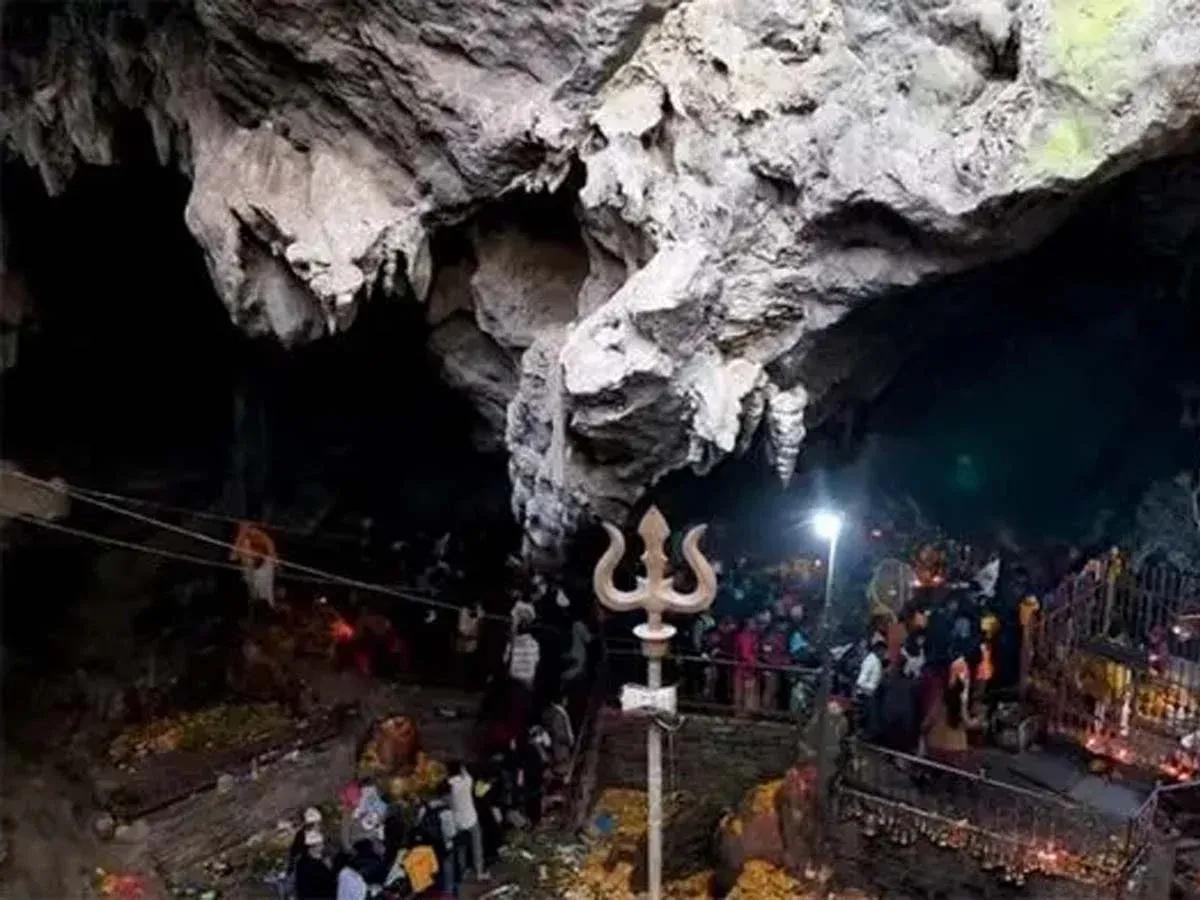
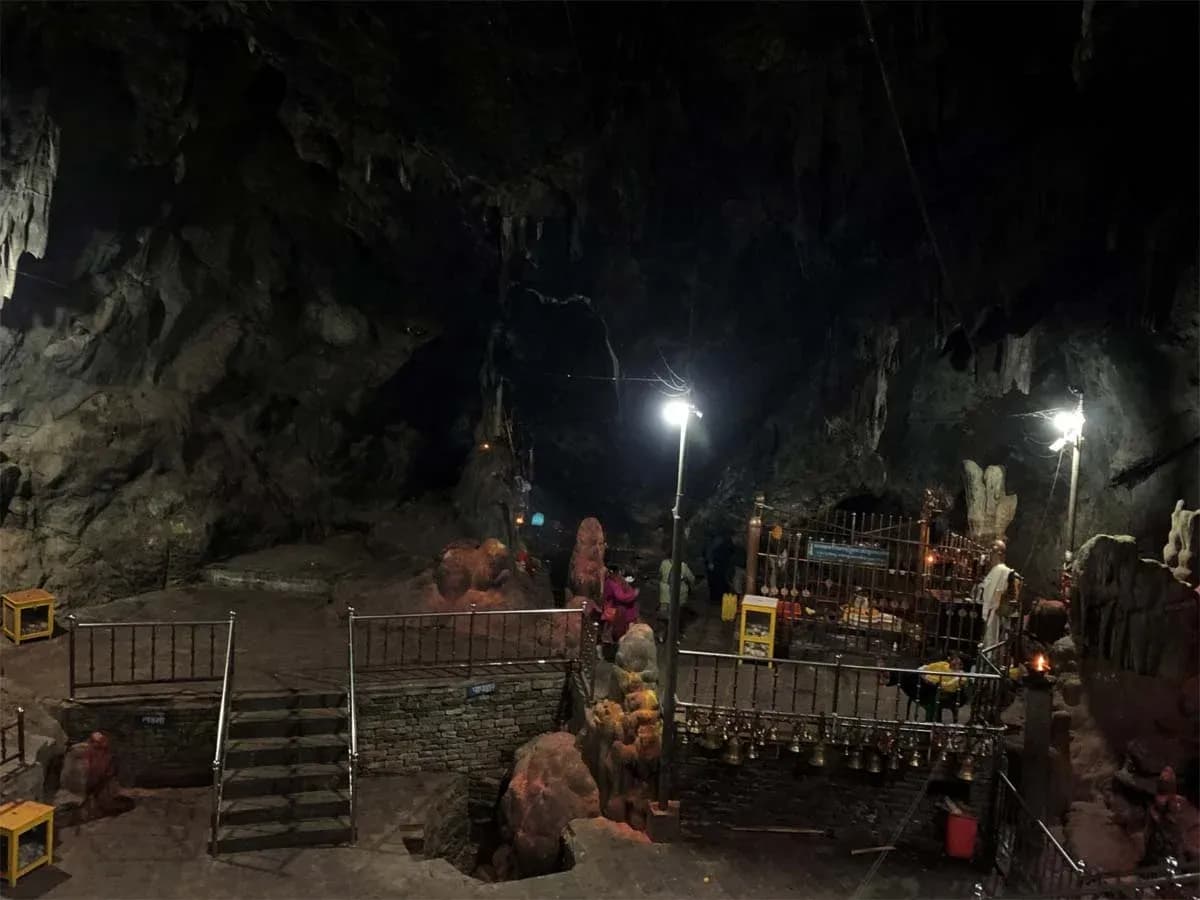
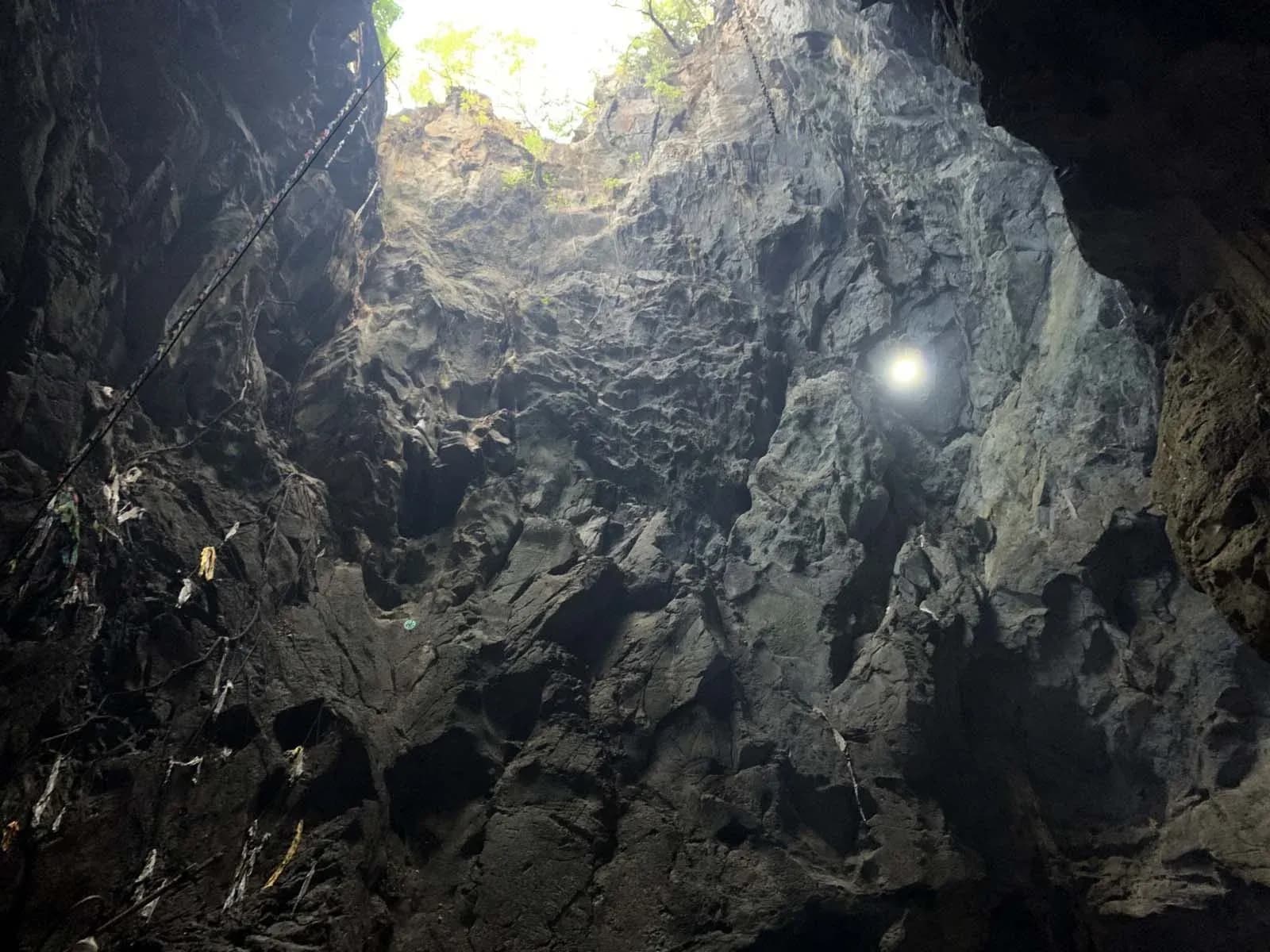
Halesi Maratika Cave, also known as Maratika Cave Monastery or Halesi Mahadev Temple, is a sacred pilgrimage site located in the Khotang district of eastern Nepal, about 222 kilometers from Kathmandu. It is deeply revered by both Hindus and Buddhists and is considered one of the most spiritually powerful places in the Himalayas.
For Buddhists, this is the site where Guru Rinpoche (Padmasambhava) and his consort Mandarava attained the realization of immortal life through advanced meditation and long-life practices with blessings from Buddha Amitayus. This makes Maratika one of the six holiest places in the Vajrayana Buddhist tradition. Even today, Buddhist practitioners visit the cave to perform longevity practices and receive blessings believed to support health, clarity, and spiritual awakening.
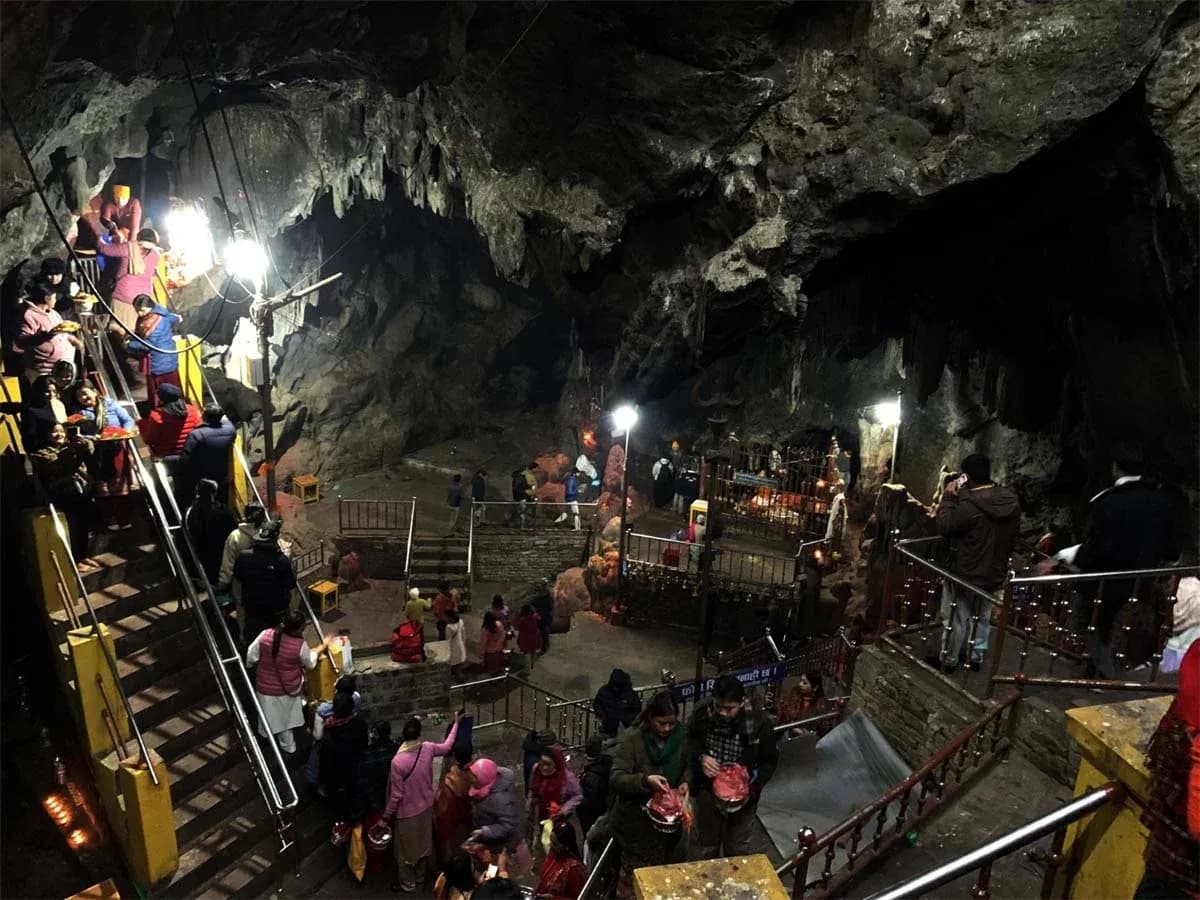
For Hindus, the cave is known as the dwelling place of Lord Shiva—Halesi Mahadev—who is said to have meditated here while escaping the demon Bhasmasur. A naturally formed Shiva Linga inside the cave is the center of devotion for thousands of pilgrims, especially during festivals like Shivaratri, Teej, and Bala Chaturdashi. The cave also serves as a powerful place for seeking protection, liberation, and the fulfillment of wishes.
Located between the sacred rivers Dudh Koshi and Sun Koshi, and set in the peaceful hills of Khotang, Maratika is not only a holy site but a symbol of spiritual harmony—where Hindu and Buddhist faiths meet and coexist. The area also includes monasteries, shrines, prayer wheels, and other caves, making it a sacred landscape filled with devotion, history, and natural beauty.
According to local belief, a complete blessing from Guru Rinpoche’s teachings also requires a visit to Yarinak Cave in Temal, Kavre district. It is said that without this visit, one cannot receive the full spiritual empowerment and realization linked to Maratika. Together, these sacred sites form an important pilgrimage route for those on the Vajrayana path.
Highlights of the Halesi Mahadev - Maratika Cave Tour
- Maratika Cave: Meditate at the sacred cave where Guru Rinpoche and Mandarava attained immortality.
- Halesi Mahadev Temple: Visit the revered temple of Lord Shiva and see the natural Shiva Linga.
- Scenic Drive: Enjoy a beautiful 7–8 hour journey through Nepal’s picturesque landscapes.
- Spiritual Experience: Participate in morning pooja, meditation, and prayer.
- Cultural Insight: Explore local monasteries and experience Nepali rituals.
- Nepali Cuisine: Enjoy authentic local meals.
- Return Journey: Reflect on your spiritual experience during the scenic drive back.