Breakfast, Lunch, and Dinner are typically included
Overview of the Gokyo Lake Trek
The Gokyo Lake Trek, also referred to as the Gokyo Ri Trek, is one of the most beautiful and rewarding treks in Nepal's Everest region. It offers a peaceful and less-traveled alternative option to the popular Everest Base Camp trek. This adventure takes trekkers through the pristine Gokyo Valley, renowned for its stunning turquoise glacial lakes, charming Sherpa villages, and breathtaking views of some of the world's highest Himalayan peaks.
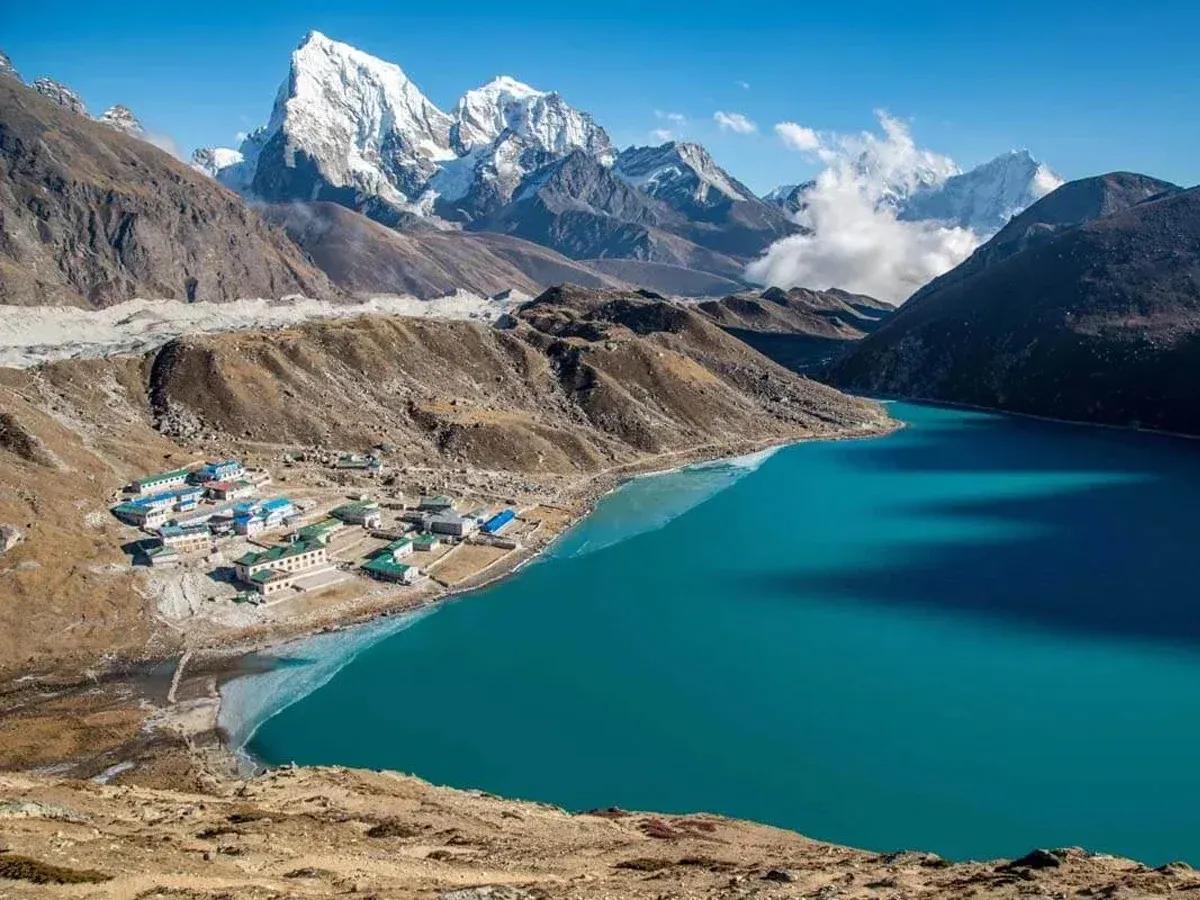
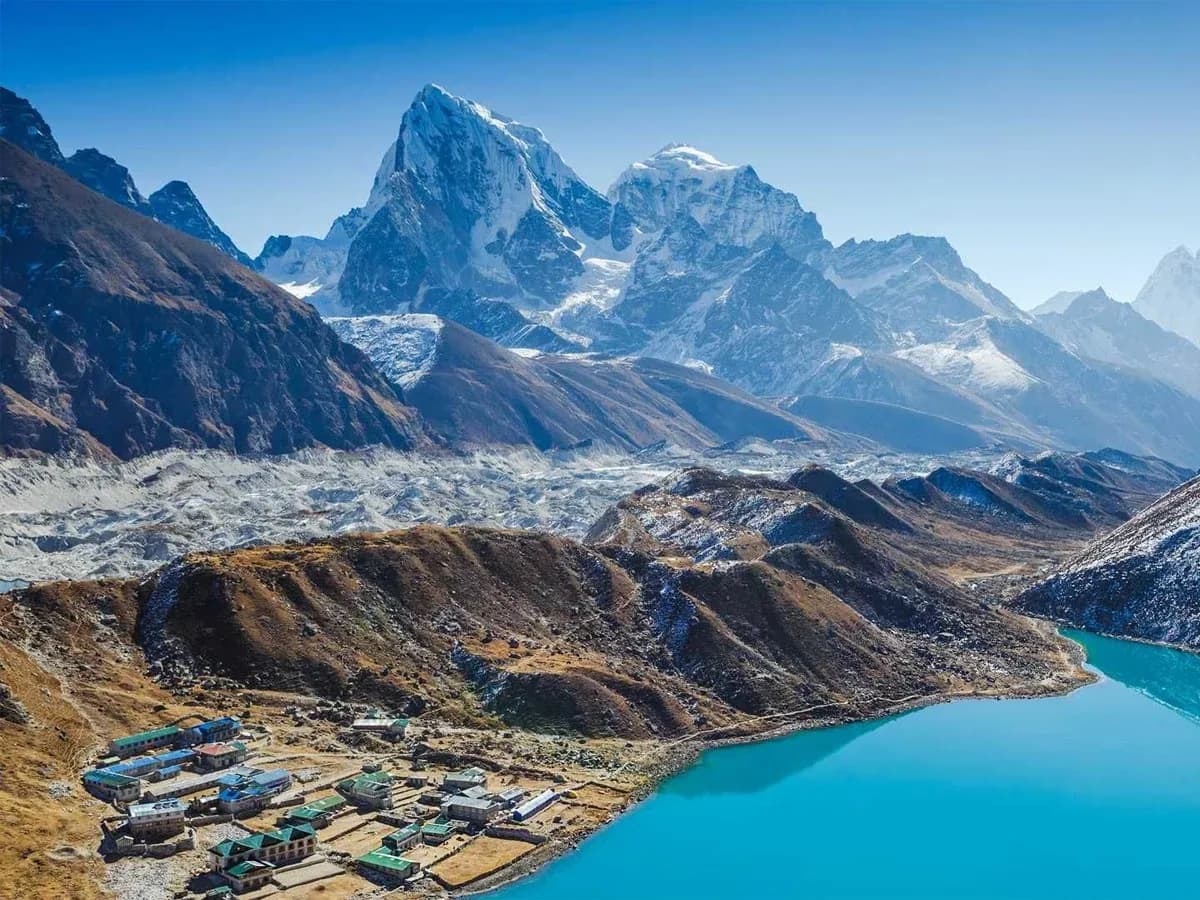
Starting with a scenic flight from Ramechhap or Kathmandu to the mountain airstrip in Lukla, trekkers proceed on a scenic path through Sherpa-colored towns like Namche Bazaar, serene villages like Phortse Tenga and Dole, and high-altitude village Machhermo. The trek concludes at Gokyo Village (4,750 meters), which lies along the massive Ngozumpa Glacier—Nepal's largest glacier—and is surrounded by shining, turquoise lakes that provide vision-bursting views and photographer's extravaganza.
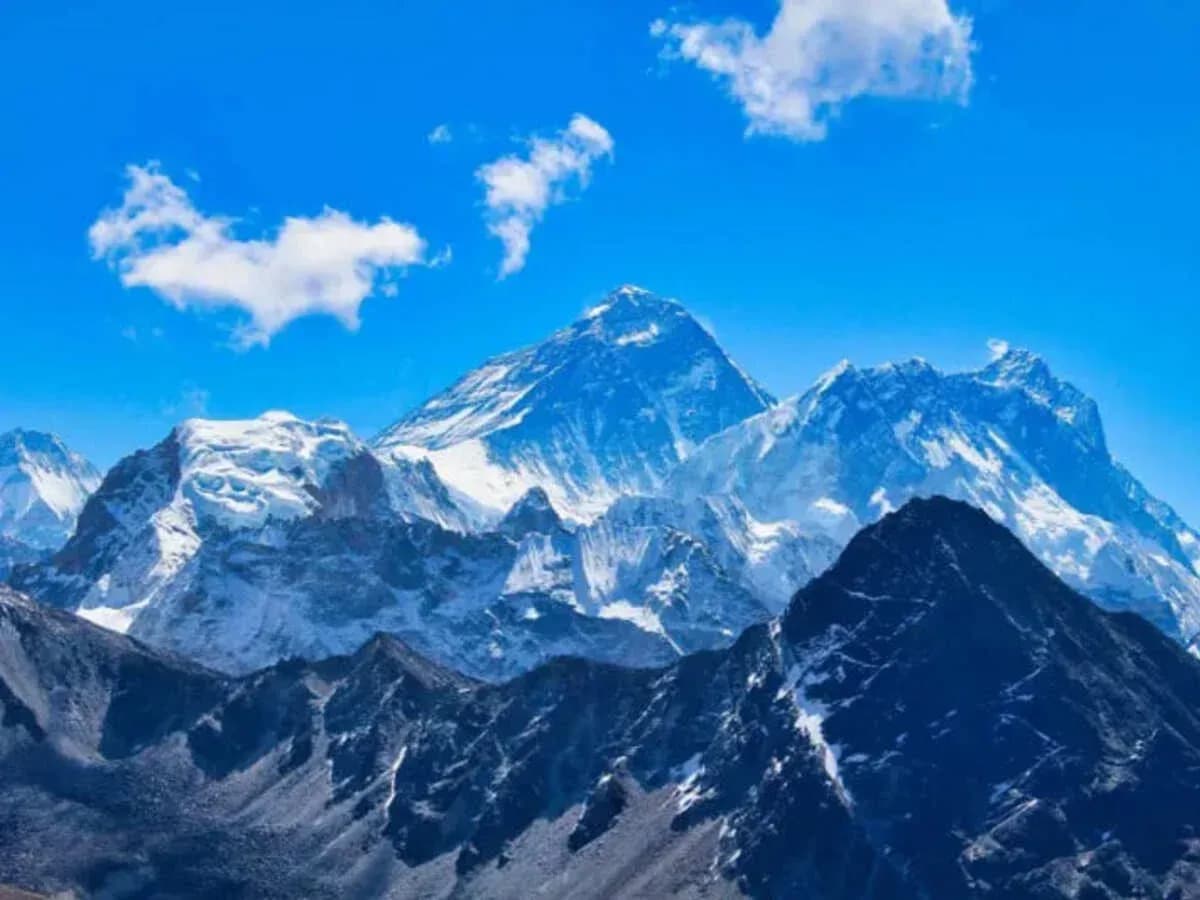
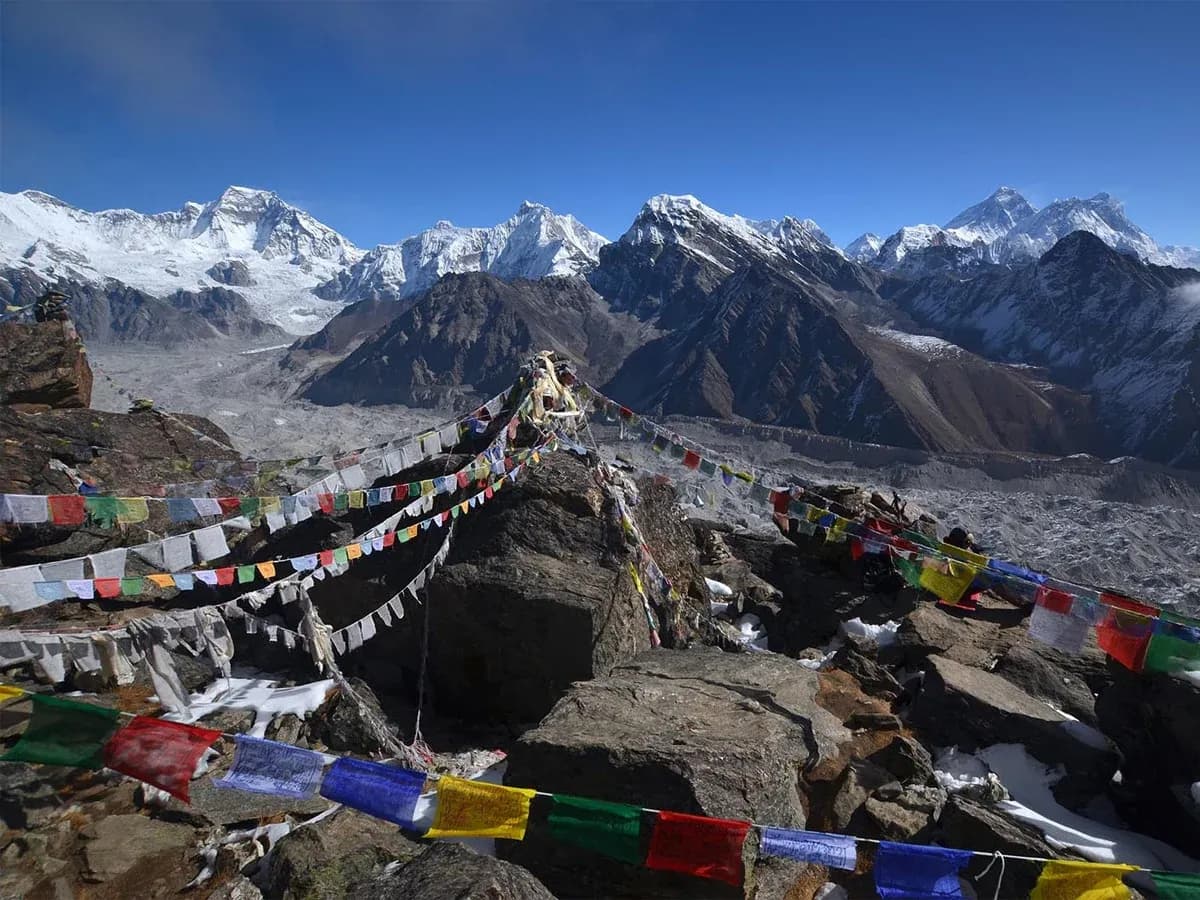
One of the trek's highlight experiences is the challenging but rewarding ascent to Gokyo Ri (5,357 meters). From the summit, the trekkers get unobstructed 360-degree views of Everest, Lhotse, Makalu, Cho Oyu, and Nuptse—five of the world's highest mountains. Seamlessly combining serene alpine lakes with towering peaks, Gokyo Ri is a treat for nature lovers, photographers, and adventure seekers.
Cultural diversity is an extra bonus to the trek. Trekkers walk through centuries-old Buddhist monasteries, interact with friendly Sherpa people, and enjoy peaceful moments along the third Gokyo Lake, the largest and most picturesque among the chain. For those who prefer to extend their adventure, the journey can be extended by traversing the breathtaking Renjo La Pass (5,360 meters), which opens into the breathtaking Thame Valley and back to Namche Bazaar. Optional day trips to the tranquil Fifth Gokyo Lake or an extended visit to the famous Tengboche Monastery further enhance the experience.
Although moderately challenging due to the high altitude, the Gokyo Lake Trek offers trekkers an exclusive mix of natural beauty, cultural immersion, and relative seclusion from more commonly used trails. It's the perfect choice for trekkers seeking a true Himalayan experience with stunning scenery, rare wildlife, and the chance to experience Sherpa culture for themselves.
Highlights of the Gokyo Lake Trek
Less crowded alternative to Everest Base Camp
Stunning turquoise glacial lakes in Gokyo Valley
Spectacular 360° views from Gokyo Ri (5,357 m)
Trek alongside Nepal’s largest glacier, Ngozumpa
Traditional Sherpa villages and rich culture
Ancient Buddhist monasteries
Peaceful moments by the scenic Third Gokyo Lake
Optional day hike to Fifth Gokyo Lake
Stay in cozy family-run teahouses along the trail
Gokyo Lake Trek Itinerary
Day 01
Arrive in Kathmandu
Duration:
~30 minutes
Accomodation:
Hotel
After you arrive in Kathmandu airport please check our company board outside the main gate there will be our airport representative you will meet with him and he will transferred to hotel by private vehicle and our representative will help you to check-in your hotel after that if time enough, representative will take you to our office for short briefing about the trip but if not enough time then give a short trip brief in hotel and request to pay the due balance for the trip. Overnight at Hotel
Day 02
Kathmandu Sightseeing and trek Preparation
Duration:
~4-5 hours
Accomodation:
Hotel
After breakfast, Kathmandu visits Durbar Square, Pashupatinath Temple, Swayambhunath Stupa, and Boudhanath Stupa which are all World Heritage Sites. Durbar Square throws light on the life of the royals in ancient times. Pashupatinath Temple is one of the most important pilgrimage places for all Hindus. Swayambhunath is also known as Monkey Temple and Boudhanath Stupa is one of the largest stupas in the world. Late in the afternoon, we introduced you to your mountain/trek guide. overnight at Hotel
Day 03
Kathmandu flight to Lukla trek to Phakding (2,610 m)
Duration:
~3-4 hours
Accomodation:
Lodge
Early morning your trek guide will be meet you at your hotel and transfer you to airport by private vehicle for the Lukla flight. Kathmandu to Lukla you will fly on a twin-engine (tiny) aircraft. The views from the plane are amazing, providing dramatic views of terraced hills and the distant Himalayan giants. After landing in the village of Lukla (2,840 m) you will meet the rest of your staff/porters that guide will hire them in Lukla for your whole trek. The trail drops steeply for bit then descends to Chheplung (2,660 m) and Thado Khosi gaon there is suspension bridge that you have to cross after that you see the head of the valley Mt. Kusum Kanguru (6,367 m). After bridge climbs bit to reach at Ghat (2,590 m) on banks of the Dudh Koshi River just short visit at monastery then little easy walk then after climb again to reach at Phakding (2,610 m) Overnight at Teahouse
Day 04
Phakding trek to Namche Bazaar (3,440 m)
Duration:
~6-7 hours
Accomodation:
Lodge
Today, the trail we cross the Dudh Koshi river and climb gently the valley to Toktak (2,760 m) and Benkar (2,710 m) The trail keeps close to the river valley and is lined with beautiful blue pine and rhododendron forest that is very spectacular in the spring months, when the flowers are in bloom and also you will see the beautiful waterfall. We will see the snow-capped peak of Thamserku (6,623 m) and Khumbi La (5,765 m) at Benkar. We cross the Dudh Kosi River at Benkar. From here it is only a short walk to Monjo (2,840 m). Just beyond the Monjo trek enters the Sagarnatha national park where you need to check your permits. After checking the permits the trail steep rocky descend to large farm aftermath cross bridge at Dudh Kosi and follow the west banks. Just short distance up the river is Jorsale (2,830 m). The trail follows the river for a while, then re-crosses the Dudh Koshi along the river bank and after short ups and downs, makes a steep climb near the confluence of the two rivers (Bhote Koshi and Dush Koshi) then little climb and re-crosses bridge at Dudh Koshi after that the trail follows steeply ascent towards the Namche Bazaar(3,440 m). One hour before arrive Namche Bazaar from where we may see the Mt. Everest (8,848 m), Lhotse (8,516 m) and Nuptse (7,879 m) first time in your life. Namache bazaar is gate way to khambu. Namche is the main trading village in the Khumbu region and holds a busy Saturday market. There is set a meeting place for the Hindu traders from the lowlands and the Tibetan yak caravans that have reached there by crossing the glaciated Nangpa La pass. Overnight at teahouse.
Day 05
Acclimatization day at Namche Bazaar (3,440 m)
Duration:
~2-3 hours
Accomodation:
Lodge
Acclimatization is most important before heading higher. Most off the trekker’s acclimatization at Namche on their trek schedule. Today you may excursion either Thame village or viewpoint as your wish but better to consult with your guide regarding the day trip earlier night. If you prefer to Thame it takes approximately 7/8 hours walking both way go and return to Namche. it is popular for visiting Thame monastery but most of the trekker’s choose the easy option just to go Viewpoint in the stand point of splendid view of the Himalayas including Mt. Everest (8,848 m), Lhotse (8,516 m), Lhotse shar (8,382 m), Nuptse (7,879 m), peak- 38(7591m), Ama dablam (6,856 m), Thamserku (6,623 m), Kangtega (6,783 m), Kusum kangaru (6,367 m), Cholaste (6335m), Tabuche peak (6,495 m), Khumbi La (5,765 m) and Kwangde Ri (6,011 m) etc. overnight at teahouse.
Day 06
Namche Bazaar trek to Dole (4,090 m)
Duration:
~6-7 hours
Accomodation:
Lodge
Today the trail at first slightly climb up for a while up to the Chor camp at Namche Bazzar then continue easy level walk to kyangjuma 3550 meters. Along the way from chor camp at Namche bazaar to kyangjuma you may enjoy incredible view of Mt. Everest (8,848 m), Lhotse (8,516 m), Lhotse shar (8,382 m), Nuptse (7,879 m), peak- 38 (7,591 m), Ama dablam (6,856 m), Thamserku (6,623 m), Kangtega (6,783 m), Kusum kangaru (6367), Cholaste (6,335 m), Tabuche peak (6,495 m), Khumbi La (5,765 m) and Kwangde Ri (6,011 m). From kyangjuma the trail follows for a while easy level walk through Rhododendron forest to sanasa .There is three way directions from where one way right hand side leads to the direct Everest base camp trek and another way up ward left hand side leads to the Gokyo valley trek. From here the trail steep climb up approximately one and half hour to reach at Mongla danda (3,978 m) where there are a few teahouse and a chorten so you may rest here for a while and enjoy magnificent view of Mt. Ama dablam including numerous mountains. The trail from Mongla danda descends in steep bends trail to Phortse thanga (3,680 m). From Phortse thanga you will meet two trails one higher route left hand side lead to Gokyo valley trek and lower trail right hand side lead to Phortse village. From after Phortse Thanga the trail climbs steeply through rhododendron and junipers forests then after small part level walks before to reach at Dole (4,090 m). Overnight at teahouse.
Day 07
Dole trek to Machhermo (4,470 m)
Duration:
~4-5 hours
Accomodation:
Lodge
Today trek from Dole to Machhermo you will climb gradually along the side of the valley, where the small and thorny bushes give way to scrub juniper as the altitude increases. The trail passes many summer settlements, which are used when yaks are taken to these pastures to graze in the summer months. Ahead of you are excellent views of Cho Oyu (8,201 m) while back down the valley are the peaks of Kantega (6,783 m) and Thamserku (6,623 m). You are walking through Lhabarma (4,330 m), Luza (4,340 m) and finally reach at Machhermo (4,410 m) overnight at teahouse
Day 08
Machhermo trek to Gokyo (4,750 m)
Duration:
~4-5 hours
Accomodation:
Lodge
Today trek from Machhermo to Gokyo the trail climbs a ridge for an excellent view both down valley to Kangtega and up towards to Cho-Oyu (8,201 m). Beyond the ridge, the valley widens as the trail passes through Pangka at 4,390 meters then descends to the river bank before beginning the climb onto the terminal moraine of the Ngozumpa glacier. It is a steep climb up the moraine, switch backing alongside the stream to the first small lake Longponga (4,650 m) where a family of Brahmin ducks has resided for many years. After first lake the trail now becomes almost level as it follows the valley past a second lake known as Taujung (4,710 m) and continue trek to Gokyo Lake (4,750 m). Overnight at Teahouse
Day 09
Day Hike to Gokyo Ri (5,357 m)
Duration:
~3-5 hours
Accomodation:
Lodge
This day early in the morning we have a steep climb up to the top of Gokyo RI (5,357 m). There are stunning views of the Gokyo valley, the massive Ngozumpa Glacier and an incredible panoramic view of the whole Khumbu mountains range, such giants as Mt. Cho Oyu (8,201 m) Mt. Everest (8,848 m), Lhotse (8,516 m), Nuptse (7,879 m), Makalu (8,481 m), Cholaste (6,335 m), Tabuche peak (6,495 m) and Gychung Kang (7,922 m). After enjoy the beautiful views at Gokyo Ri then return to Gokyo (4,750 m) overnight at teahouse.
Day 10
Gokyo trek to Dole (4,090 m)
Duration:
~4-5 hours
Accomodation:
Lodge
Today the trek back to Dole is an easy downhill walk along the Dudh Koshi River that emerges out of the Ngozumpa Glacier. Passing by the second and then the first Gokyo Lakes and continue trek descends to Pangka (4,390 m). Along the trail you will see beautiful view of Cholaste (6,335 m) and Tabuche (6,495 m) peaks rear up on the right of us. The trail descends below Pangka, and across a level terrace on the slope to climb a rib on the far side of the hill side. Upon reaching the Chorten at the edge, we see great views of Thamserku, Cho Oyu, and Kangtega . We slowly walk down to sprawling village of Machhermo. Again, through the charming hamlet of Luza and Lhabarma then finally reach at Dole (4,090 m). Overnight at Teahouse
Day 11
Dole trek to Namche (3,440 m)
Duration:
~6-7 hours
Accomodation:
Lodge
Today you taking last inspection back to Cho Oyu range, we start steep descent to Phortse Tenga. Our hike today is mostly down hills. The most outstanding feature of the trail today is the abundance of plant and animal vegetation including wildflowers and Rhododendrons. We might spot faunas like mountain goats, musk deers, pheasants, etc. Waterfalls are also today`s attraction. Upon reaching MongLa, a very wonderfully located lovely place perched on the spur of Mt. Khumbila. We take revised look at Tabuche, Ama Dablam, Thamserku, Kangtega, and a distant view of Tengboche. After a bit of long distance walk, we reach an intersection where the steep path up from Sanasa meets our trail. Now, trail to Namche clings to the steep wooded slope beyond Kyangjuma, winding through several bends. Upon coming to Namche army camp hill, we look back to see Mt. Everest (8,848 m), Lhotse (8,516 m), Lhotse shar (8,382 m), Nuptse (7,879 m), peak- 38 (7,591 m), Ama dablam (6,856 m), Thamserku (6,623 m), Kangtega (6,783 m), Kusum kangaru (6,367 m), Cholaste (6,335 m), Tabuche peak (6,495 m), Khumbi La (5,765 m) and Kwangde Ri (6011m). After Enjoying beautiful view from viewpoint then trek down hill to Namche Bazaar (3,440 m) overnight at teahouse
Day 12
Namche Bazaar trek to Lukla (2,840 m)
Duration:
~7-8 hours
Accomodation:
Lodge
After Namche the trail descend to Larja dobhan (confluence of two rivers) though the pine forests before you reach at Larja Dobhan you may get last opportunity to see Mt. Everest and Lhotse. After cross the bridge at Larja Dobhan the trail descends for while and then walk along the Dudh Koshi River. Re-cross the Dudh Koshi continue level walk to Jorsale. Beyond the Jorsale the trail leads a bit ascend after that re-crosses the suspension bridge then short steep climb to Monjo (2,835 m). From Monjo the trail leads descends for a while and cross Dudh kosi over the suspension bridge then short easy level walk to Benkar. After Benker the trail follows a bit up and down and level walk along the Dush kosi valley then after re-crossing the suspension bridge you reach at Phakding (2,610 m). Beyond Phakding the trail follows a short descends continue level walk for a while then short steep climb up passes several Buddhist setups at Ghat village. Aftermath short steep climb up to Thado kosi and a bit descends re-cross the small bridge then climb up a short distance after that finally you re-crosses last long suspension bridge of your trek. The trail after the long suspension bridge follows the up wards route as far as Chablung, then turns off towards Lukla. The broad trail at Chablung leading uphill to the left hand side climbs steadily past a few (bhattis) local inn and houses. From there the trail follows through scrub forest above the school and houses of Chaurikharka village then final climb up of your trek about half and hour reach lukla Tamang tole where a new settlement with houses and Bhattis then short distance walk to approach to Hotel close by Lukla airport. Overnight at teahouse.
Day 13
Lukla flight to Kathmandu (1,350 m)
Duration:
~35 minutes
Accomodation:
Hotel
In the morning, we take the tiny aircraft to flight from Lukla to Kathmandu which is very interesting scenery flight journey on the earth. After arrival in Kathmandu airport we drive you to hotel. Overnight at Hotel
Day 14
Reserve Day in Kathmandu
Duration:
~Free hours
Accomodation:
Hotel
Lukla gets occasional flight delays during the main season. This may cause missing your international flights as well, so we recommend you to prepare accordingly. Lukla suffers from quick weather changes and that may affect inbound and outbound flights. We reserved this day for possible flight delays. If we have a timely flight on DAY 03 or 13, we can use this day for rest in Kathmandu. You can shop around local markets and walk around the city. Overnight at Hotel
Day 15
Depart Kathmandu
Duration:
~30 minutes
After breakfast, End of our services with departure transfer to the Kathmandu airport to board flight for your onward destination
Note
Have your own ideas or special requirements? We're more than happy to tailor the itinerary to match your schedule, interests, and travel preferences. Let us help you create a personalized adventure that's truly yours.
Lodging along the Gokyo Lakes route is pretty much all in tea houses, think of them as basic lodges run by local families, rather than the hotels you're used to. Don't expect too much, but they're usually welcoming and offer pretty simple facilities like a bed (often in a dorm), some blankets and a shared bathroom. Village towns like Namche or Lukla might have slightly more comforts and even private rooms, but the higher you go, the more basic things get.
Some tea houses do have electricity and will let you charge your phone for a small fee, around $3- $7, and they all do hot meals. When you start and finish in cities, you can have proper hotels with private bathrooms in places like Kathmandu and Namche, but out on the trail, you'll need to pack light and get used to roughing it a bit.
Food on the Gokyo Lake Trek
You'll get your grub from the tea houses along the trail. Their meals are pretty filling and full of carbs to keep you going at high altitude. Breakfast usually means porridge, eggs or pancakes and some Tibetan bread with jam or honey, washed down with a hot cuppa or a coffee. Lunch and dinner might be Nepal's staple - we're talking dal bhat, or rice with lentils and veg - along with some Tibetan dumplings called momos, or noodle soups like thukpa. If you're lucky you might even get some chow mein or fried rice. And yes, they do seem to have spaghetti or macaroni with tomato sauce and cheese too, as well as some pretty basic desserts like biscuits, cookies and the like.
Most of the tea houses have no problem with vegetarian and vegan diets - loads of Nepali dishes are just lentils, rice and veg, so that covers a lot of bases. Vegans just need to watch out for cheese and eggs. Gluten-free options are pretty thin on the ground - basically just rice, potatoes and lentil soups. One thing to keep in mind is to eat plenty of carbos and drink loads of water to keep altitude sickness at bay - apparently the locals swear by garlic soup to help you acclimatize. Just don't overdo the booze or rich food at high altitudes.
Quick Tip: You get unlimited fillings of rice and lentils, so take advantage of that.
Best Time for Gokyo Lake Trek
The best seasons to trek to Gokyo Lakes are spring (March–May) and autumn (September–November). In spring the weather is mild (daytime highs around 10–20°C) and the valleys are blooming with rhododendrons and wildflowers. Autumn brings stable, dry weather with crisp air and clear mountain views as the monsoon clouds have cleared. Both seasons have long days and less rain.
Summer/monsoon (June–August) is very wet and trails can be slippery or prone to landslides, though the hills are green. Winter (December–February) is cold and snow can block high passes, but if well-prepared it’s quiet and clear skies.
A Typical Day on the Gokyo Lake Trek
The day of trekking starts early. After a simple breakfast at the teahouse (porridge, bread and tea) you’ll hit the trail while it’s still cool. Expect to hike about 6–7 hours per day over mixed terrain. A common pattern is 2–3 hours of hiking in the morning, then lunch, then a few more hours to the next village. Each afternoon you’ll arrive at the next lodge by mid to late afternoon. At that point you can relax, drink tea, charge devices (for a fee) and socialize. Dinner is served by 6–7 PM. Early nights are common at high altitude.
Permits for the Gokyo Lakes Trek
Two main permits are required:
Sagarmatha National Park entry permit – since the trek is within the park. Available in Kathmandu or at the park entrance in Monjo.
Khumbu Pasang Lhamu Rural Municipality permit – required for the Everest region, usually issued in Lukla or at trail checkpoints like Monjo.
Carry both permits (and copies) on the trek as they will be checked at village checkpoints. Licensed trekking agencies like us handle these permits for you.
Difficulty and Physical Fitness Required for Gokyo Lake Trek
The trek is moderate. No climbing skills are required but high altitude and sustained hiking make it challenging. Daily hikes are 5-7 hours on steep, rocky trails, Namche to Dole, the trail to Machhermo and the summit push on Gokyo Ri (about 3 hours).
Good cardiovascular fitness and leg strength is important. Training with long hikes, running, cycling or stair climbing in advance is recommended. Prior high altitude experience helps but not mandatory. Motivated beginners with strong fitness and proper pacing can complete the trek successfully.
Cultural Insights during Gokyo Lake Trek: Sherpa Traditions and Local Experiences
The trek immerses you in Sherpa culture and Tibetan Buddhism. Most villages are Sherpa communities centered on mountain life. Many locals are yak herders, farmers, and almost every lodge is family-run.
You’ll see stone houses with colorful prayer flags, monasteries, prayer wheels, mani stone walls and chortens (stupas). The lakes are considered sacred with legends connecting them to the Nag Devata (snake god). Festivals like Mani Rimdu (masked dances and prayers) and Losar (Sherpa New Year) are unique cultural experiences.
Be respectful towards the culture. When passing through the stupa or spinning the prayer wheels, which you will see quite often in the trail, always do it clockwise. As per Tibetan Buddhism, if you do it counterclockwise, that will activate negative energy and anger gods. Don’t touch prayer flags or sacred objects, and dress modestly. Accepting offered butter tea or food is polite and appreciated.
Gokyo Lake Trek Important Notes
Lukla Flights: Flights depart from Ramechhap Airport, 5-6 hours from Kathmandu. Weather delays are common; plan 2-3 extra days.
Emergency Helicopter: Evacuation costs $3500-$7000; make sure your insurance covers it.
Baggage: Airlines allow 15kg per person; porters can carry 20kg. Pack light.
Meals: Often included in trekking package; check what’s included.
Teahouse Extras: Hot shower and charging $3-5; Wi-Fi limited.
Weather & Scheduling: Mountain weather is unpredictable. Listen to your guide.
Regulations: Drones require special permit; travel insurance is mandatory.
Follow these and you’ll have a smooth, safe and enjoyable trek and experience the beauty and culture of Gokyo Lakes.
Gokyo Fifth Lake Trek – Alternative Itineraries & Trekking Routes
Day 1: Arrive in Kathmandu
Day 2: Kathmandu sightseeing and trek preparation
Day 3: Kathmandu → Lukla → Phakding
Day 4: Phakding → Namche Bazaar
Day 5: Acclimatization in Namche Bazaar
Day 6: Namche Bazaar → Dole
Day 7: Dole → Machhermo
Day 8: Machhermo → Gokyo
Day 9: Gokyo – Hike to Fifth Lake
Day 10: Gokyo – Sunrise hike to Gokyo Ri and trek to Dole
Day 11: Dole → Namche Bazaar
Day 12: Namche Bazaar → Lukla
Day 13: Lukla → Kathmandu
Day 14: Reserve day in Kathmandu
Day 15: Depart Kathmandu
Gokyo & Renjo La Pass Trek – Alternative Itineraries & Trekking Routes
Day 1: Arrive in Kathmandu
Day 2: Kathmandu sightseeing and trek preparation
Day 3: Kathmandu → Lukla → Phakding
Day 4: Phakding → Namche Bazaar
Day 5: Acclimatization in Namche Bazaar
Day 6: Namche Bazaar → Dole
Day 7: Dole → Machhermo
Day 8: Machhermo → Gokyo
Day 9: Gokyo – Hike to Gokyo Ri and return to Gokyo
Day 10: Gokyo → Renjo La Pass → Lungden
Day 11: Lungden → Thame
Day 12: Thame → Namche Bazaar
Day 13: Namche Bazaar → Lukla
Day 14: Lukla → Kathmandu
Day 15: Reserve day in Kathmandu
Day 16: Depart Kathmandu
Packing List for the Gokyo Lake Trek
This ultimate gear guide is designed to help you prepare smartly without a smartphone, and with no fluff, just essentials. Here’s what you’ll need across documents, clothing, equipment, and more.
Typically, packages include accommodation, meals during the trek, guide and porter services, permits, and ground transportation. Flight costs, insurance, and personal expenses are usually excluded.
While prior trekking experience helps, most treks are designed to be achievable with average fitness. Some high-altitude treks may require conditioning or preparation beforehand.
There is no strict age limit, but participants should be reasonably fit. Trekkers above 60 or with health conditions should consult a doctor before the trip.
Arrival & Visa
Most travelers require a tourist visa, which can often be obtained on arrival or online. Check your country’s embassy website for up-to-date visa policies.
Airport pickup is often included in the tour package. If not, taxis or pre-arranged transport options are available and reliable.
Yes, arriving early is a great way to rest and adjust before your trek. We can help arrange additional accommodations if needed.
Health & Safety
Guides are trained in first aid and will assist you immediately. In serious cases, evacuation (often by helicopter) can be arranged. Travel insurance with emergency coverage is strongly recommended.
Yes, especially above 2,500 meters. Our itineraries are designed with gradual acclimatization and rest days to help prevent it. Drinking water, eating well, and resting are key.
Yes, all certified guides are trained in altitude awareness, first aid, and emergency protocols to ensure your safety throughout the trek.
Weather & Temperature
Spring (March–May) and autumn (September–November) are the most popular trekking seasons with stable weather and clear skies.
Temperatures can drop significantly at night, especially at higher altitudes. Days are usually moderate, but proper layering is important.
Yes, extreme weather can cause delays, especially for flights or high passes. We always try to adjust plans safely and flexibly.
Accommodation & Facilities
Accommodations are usually in local lodges or tea houses with basic amenities—clean beds, shared bathrooms, and dining halls.
Some lodges offer hot showers for an additional fee, but availability may be limited at higher altitudes.
Charging is available in most lodges for a fee. Power supply may be limited or solar-based, so bring a power bank as backup.
Packing & Gear
You’ll need layered clothing, good trekking boots, a daypack, a sleeping bag (if not provided), and basic toiletries. A detailed packing list will be shared upon booking.
Yes, you can rent most essential gear like down jackets, sleeping bags, and poles from local shops at affordable rates.
Keep your daypack light with only essentials (water, snacks, jacket). The porter will carry your main bag, usually limited to 10–15 kg.
Reviews
5.0
Based on 1 reviews
5 ★
100.0%(1)
4 ★
0.0%(0)
3 ★
0.0%(0)
2 ★
0.0%(0)
1 ★
0.0%(0)
Tan Hong Wee
5/5
“This was my second Nepal trip, after Annapurna Base Camp, and this time I chose Gokyo Lake. I was unsure at first, but Binod warmly welcomed me at Kathmandu airport, arranged a great hotel, and introduced me to a friendly guide and porter who helped a lot during tough treks....”