• Home
  • Nepal
  • Other Destinations
  • Blog
  • Company
Chat on Whatsapp

High-altitude treks, real local guides, and straight-up advice from the Himalayas.

TripAdvisor
Lonely Planet

Stay Ahead of the Mountains

Get trek updates, permit alerts, and seasonal tips straight from the Himalayas.

Contacts

Kaldhara-16, Kathmandu, Nepal

Tel: +977 1 5360765

WhatsApp: +977 9841353904

Email: [email protected]

Quick Links

  • Legal Documents
  • Terms & Conditions
  • About Us
  • Favourites
  • Blog

Activities

  • Trekking
  • Tours
  • Jungle Safari
  • Day Hiking
  • Helicopter Tours
  • Jeep Tours

Payment Methods

Payment Method
Payment Method
Payment Method

Recognized By

Association Logo
Association Logo
Association Logo
Association Logo
KEEP

© 2026 Alpine Adventure Club. All Rights Reserved

Built by Bishal

Essential Trip Information

  • Location

    Nepal
  • Region

    Everest

Duration

14 days
  • Group Size

    Min. 1 Pax
  • Max Elevation

    3,867 m
  • Difficulty

    Moderate
  • Accommodation

    Hotel/Lodge
  • Best Seasons

    Spring and Autumn
  • Start Point

    Kathmandu
  • End Point

    Kathmandu
  • Permit

    Required
  • Food

    Three Meals/Day
  • Overview of the trek

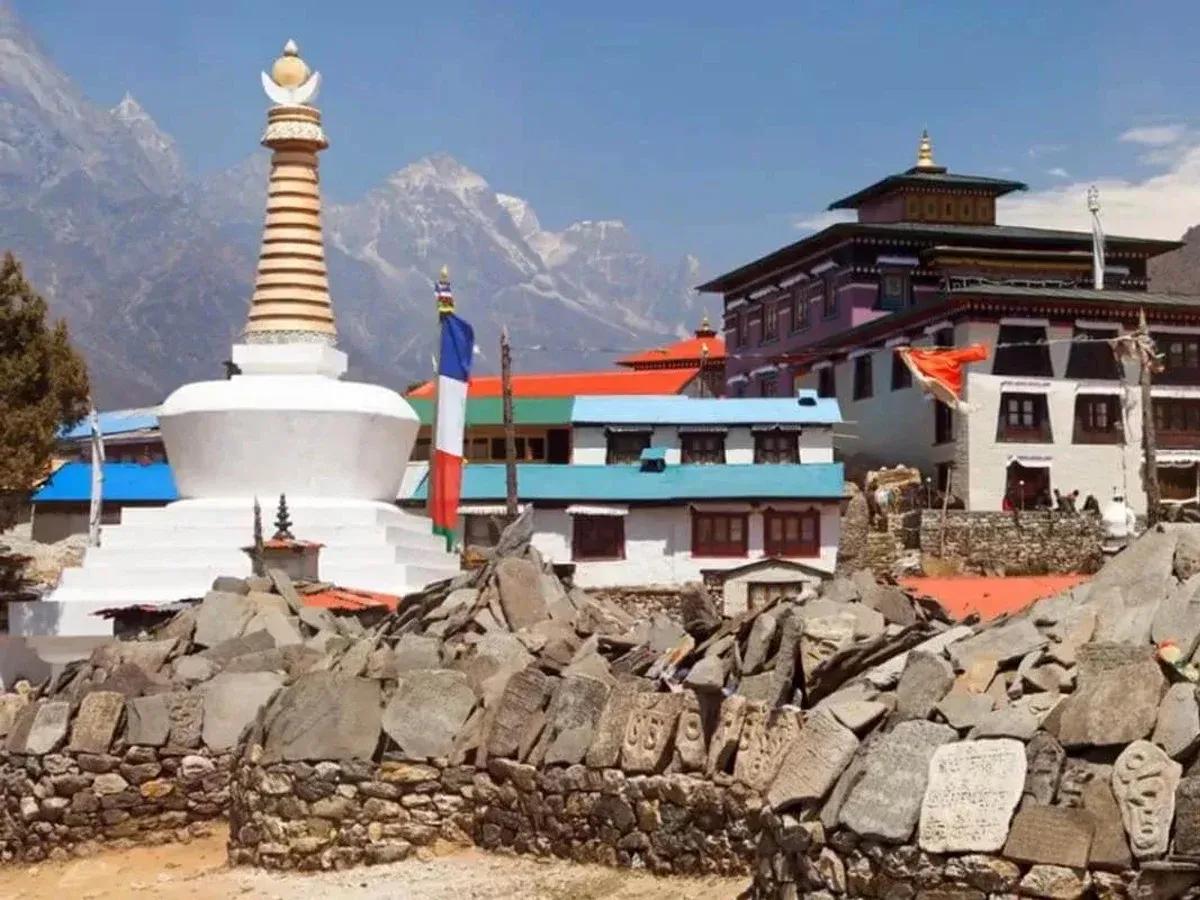
    Everest trekking is not only famous for its towering mountains and breathtaking vistas, but also for its cultural festivals. The Everest Mani Rimdu Festival is one of the most fascinating High Himalayan Buddhist festivals, observed every year at Tengboche Monastery, an ancient Buddhist monastery located in the Everest region of Nepal.

    In Tengboche, Mani Rimdu is usually performed between mid-October and mid-November. The festival is celebrated according to the Tibetan lunar calendar, usually in the ninth Tibetan month, and the exact dates are announced each year by the head lama of Tengboche Monastery.

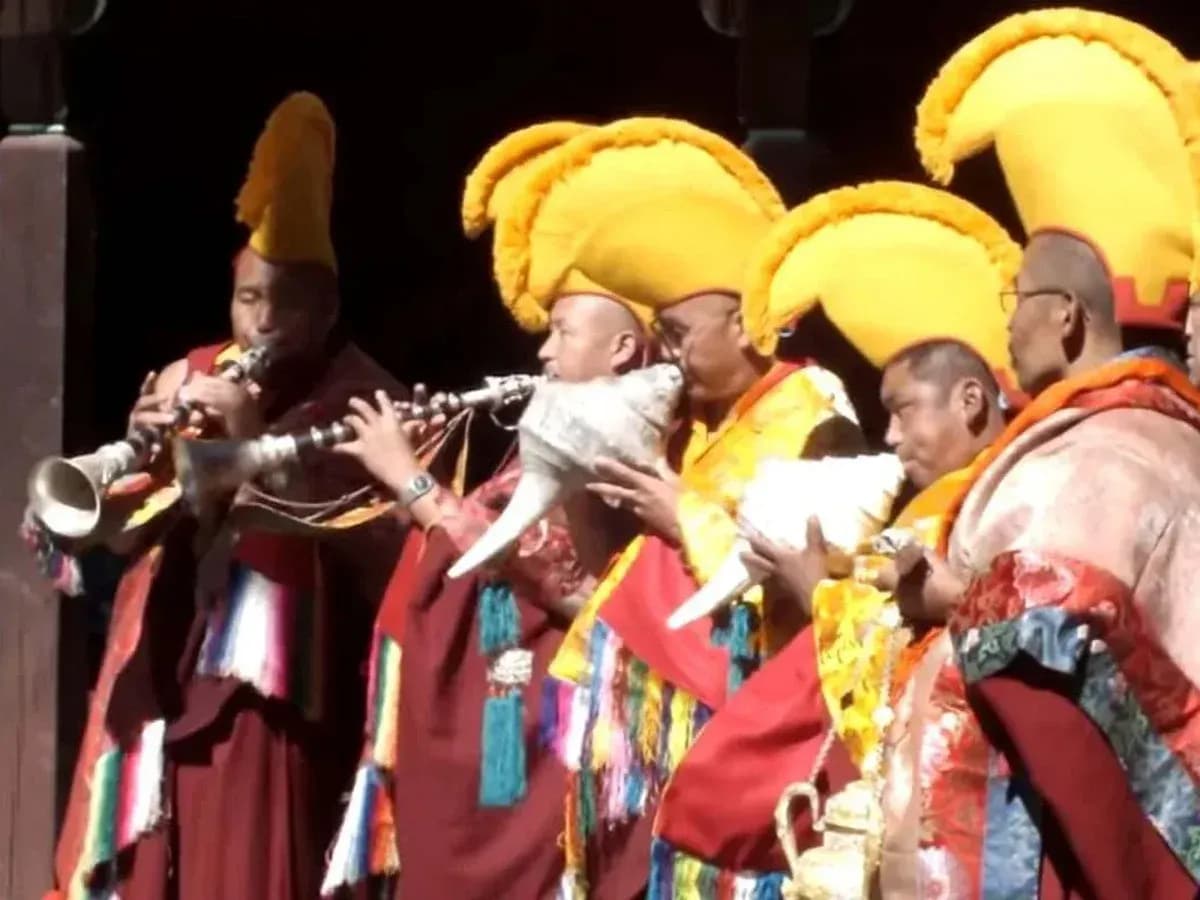
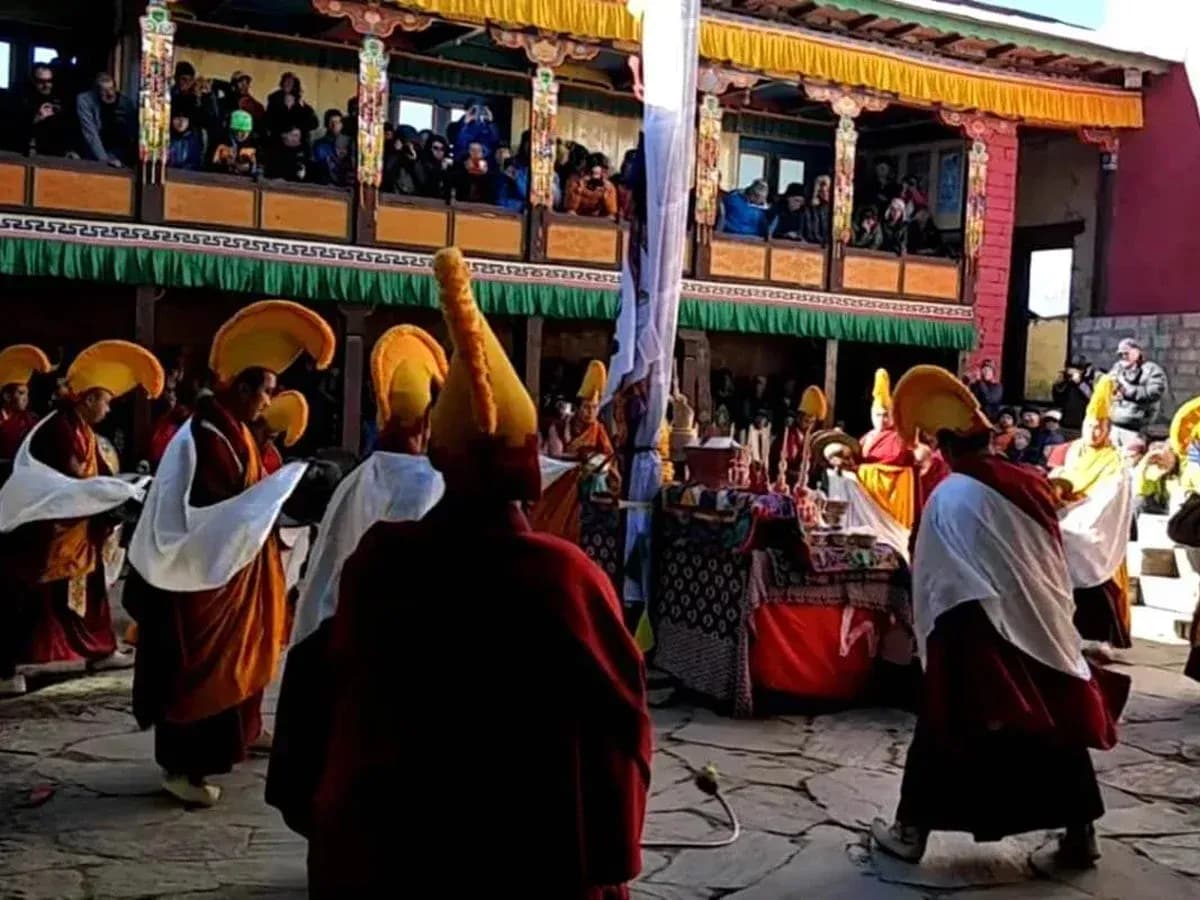
    The festival is a colorful and vibrant event, popular not only among the Nepalese people but also with tourists who visit Nepal each year with their families and friends to witness the rituals, masked dances, prayers, and blessings. The festival marks the establishment of Buddhism by Padmasambhava (Guru Rinpoche) and provides a deep insight into the spiritual and cultural traditions of the Everest region.

    Tengboche Monastery lies on the route to Everest Base Camp, making it possible for trekkers to combine the Mani Rimdu Festival with Everest Base Camp trek. For those with limited time, a shorter trek to Tengboche is sufficient to experience the festival.

    The Everest Mani Rimdu Festival 2026 will be held on 26th, 27th, and 28th October 2026 at Tengboche Monastery. To participate in this unique cultural and trekking experience, travelers should arrive in Kathmandu by 21st October 2026 to allow sufficient time for sightseeing, trek preparation, and acclimatization before heading to the Khumbu region.

    Highlights of the Everest Mani Rimdu Festival Trek

    • Wong (The Empowerment): On the first day, His Holiness Trulshig Rinpoche will perform a public empowerment ceremony. During this ceremony, he will distribute sacred pills (Rilwu and Tshereel) to attendees, offering blessings for long life and prosperity.
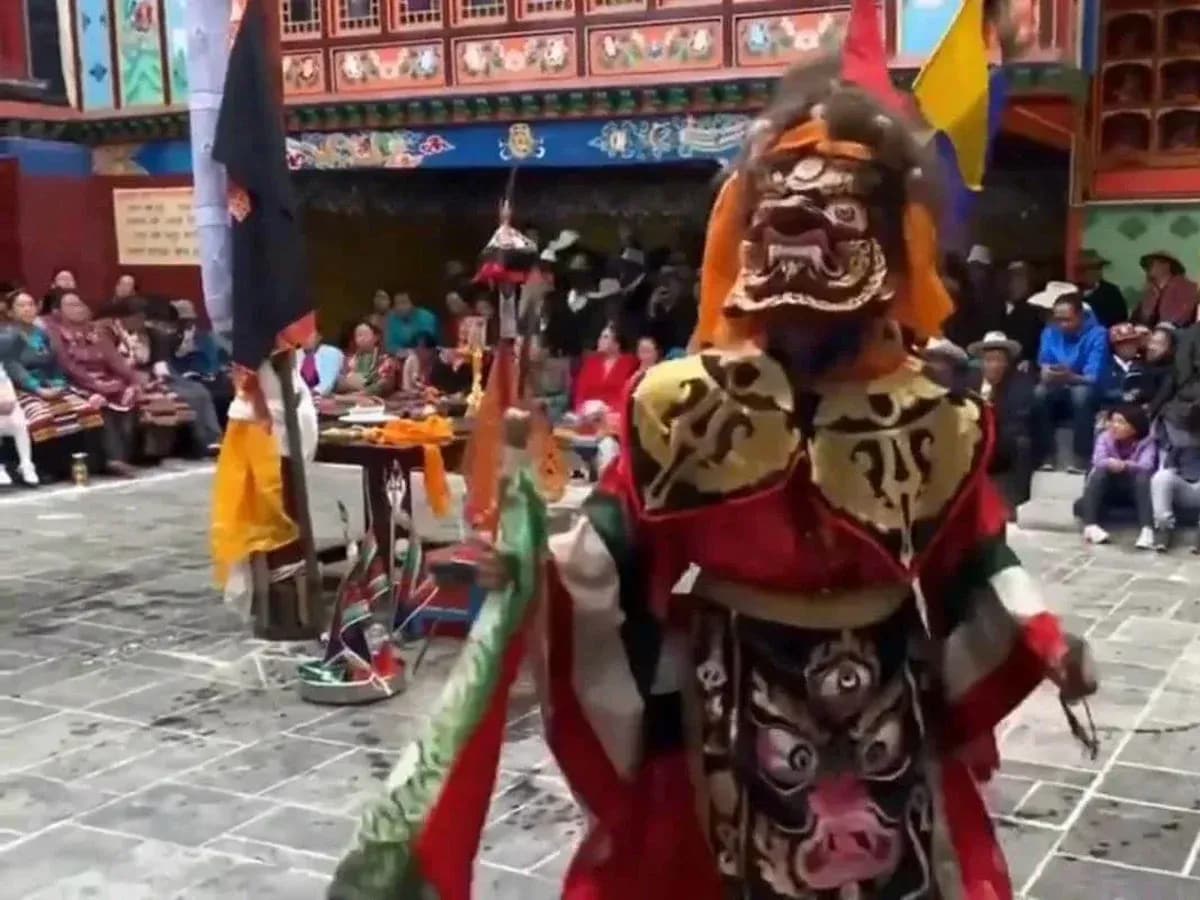
    • Chham (The Dances): On the second day, elaborate masked dances performed by monks take place. These dances depict the triumph of Buddhist deities over evil forces, symbolizing the protection of Dharma.
    • Jinsak (The Fire Puja): On the final day, a fire ceremony is held to purify the environment and dispel negative energies. This ceremony symbolizes renewal and protection.
    • Ser-Kyem: This is a traditional offering ceremony in which drinks are presented to spiritual figures, fostering a sense of community and devotion.

    Trip Itinerary for Everest Mani Rimdu Festival Trek

    Detailed Day-to-Day Itinerary

    Day 01

    Arrival in Kathmandu (1,350 m) and transfer to Hotel

    Duration:
    ~30 minutes
    Accommodation:
    Hotel
    After landing at the Tribhuwan International Airport, we will be greeted by a representative of Alpine Adventure Club who will drop us off at our hotel. We then check-in at the hotel, freshen up and if time permitted visit our office to pay the rest of bill, collect the information and signup the trip agreement or not enough time office authorize person come to your hotel to collect the payment. Overnight at Hotel.

    Day 02

    Kathmandu Sightseeing and trek Preparation

    Duration:
    ~4-5 hours
    Accommodation:
    Hotel
    We tour Durbar Square, Pashupatinath temple, Swayambhunath stupa and Bouddhanath stupa which are all world heritage sites. The Durbar Square sheds light on the life of the royals in ancient times. Pashupatinath temple is one of the most important places of pilgrimage for all Hindus. Swayambhunath is also known as the Monkey Temple and Baudhanath Stupa is one of the largest stupas in the world. At late afternoon, we introduced with mountain/trek guide. Overnight at Hotel.

    Day 03

    Kathmandu to Lukla (2,840 m) by Flight then trek to Phakding (2,610 m)

    Duration:
    ~3-4 hours
    Accommodation:
    Lodge
    After 45 minutes fly from Kathmandu to Lukla and will have breakfast and then continue our family journey passing many Buddhist monuments during the trail and finally we reach in Phakding which takes about 3 hours. We will have lunch there. Evening time, we go for village tour with our guide. Overnight at Teahouse/Lodge.

    Day 04

    Trek from Phakding to Namche Bazaar (3.440 m )

    Duration:
    ~6-7 hours
    Accommodation:
    Lodge
    In the morning after breakfast we start from hotel and we reach in Monjo after 3 hours walk passing many suspension bridges with good view of Mt. Thamserku and we should entry our permit and will have lunch in Jorsalle. Then we start to climb steep up slowly passing high suspension bridge till Namche Bazar which takes about 2 and half hour. We have a great view of Khwangde Range and Thamserku. Overnight at Teahouse/Lodge.

    Day 05

    Acclimatization Day in Namche Bazaar

    Duration:
    ~2-3 hours
    Accommodation:
    Lodge
    In this day, we will hike to Everest view hotel for panoramic and spectacular view of mountains. It takes 2 hours to reach there and enjoy the view of the mountains. Then we climb down to Khumjung village for the visit monastery and Khumjung Hillary School. It takes about 1 hour. We can see Skull of Yeti inside the Monastery. This is the biggest Sherpa village in Khumbu region. Again we continue our trek to Khunde village which takes about 1 hour. We will have lunch there and visit the old monastery and Khunde Hospital. We come back to our hotel in Namche via Syangboche village. It takes about 1 and half hour. Overnight at Teahouse/Lodge.

    Day 06

    Trek from Namche Bazaar to Tengboche (3,860 m )

    Duration:
    ~5-6 hours
    Accommodation:
    Lodge
    In the morning, we start our trek like the day before. The level trail continues till reaching Kyanjuma village and takes about 1 and half hour. Then it climbs down to the Dudh Kosi River and crosses a suspension bridge. We can see a series of picturesque water driven prayer wheel. Then we will have lunch in Phungi Thangna. The steep ascent brings us to Tengboche village. We can visit the monastery in the evening. The views of the mountains, Sunrise as well as Sunset are spectacular in the morning and evening. Overnight at Teahouse/Lodge.

    Day 07

    In Tengboche - Mani Rimdu Festival: first day

    Duration:
    ~Free hours
    Accommodation:
    Lodge
    The first day of Mani Rimdu Festival is marked by the construction of Sand Mandala and Wong. Colored sand is used to build complex and representative design. The sharp defensive weapons referring to the divinities are kept surrounding the Mandala. The container of Mani Rilwu pills which is regarded as spiritual medicine is placed in the center. The Mandala symbolizes the palace of the lord of dance, Chenpo. The statue of the Buddha of Kindness is the most important for Mani Rimdu. The mantras are chanted, and during meditation, they believe kindness flows in the form of the mantra, into the Mandala and the Mani Rilwu pills. Kindness is released out from the Mandala, blessing those who attend the Mani Rimdu festival. Overnight at Teahouse/Lodge.

    Day 08

    In Tengboche - Mani Rimdu Festival: second day

    Duration:
    ~Free hours
    Accommodation:
    Lodge
    The dances are shown on the 2nd day of Mani Rimdu. Triumph over the symbolic demons is shown in the dance. As the theme of the dance, positive energies fight with the demons through the dances. The dances carry Buddhist teaching on many levels from the simplest to the most metaphysical state. During the dance, the monks are believed to enter a state of trance and become a godlike being. The dances are only performed during Mani Rimdu because they are considered to be very sacred hence cannot be performed for ordinary entertainment purposes. Overnight at Teahouse/Lodge.

    Day 09

    In Tengboche - Mani Rimdu Festival: third day

    Duration:
    ~Free hours
    Accommodation:
    Lodge
    The last day of the festival is the Fire Puja. The Fire Puja is done in the yard the day after the dances. The Fire Puja is a gift to Agni (the god of fire), and to the Gods of the Mandala to dispel all harm in the world. The harm is envisioned as dissolving into the grain and butter being burned. Afterward, the sand Mandala in the temple is dismantled to pieces, and the sand is given as an offering to the Snake Gods (Nagas). With this, the exciting festival of Mani Rimdu comes to an end. Overnight at Teahouse/Lodge.

    Day 10

    Trek from Tengboche to Namche (3,440 m )

    Duration:
    ~4-5 hours
    Accommodation:
    Lodge
    This day after breakfast, we return back same way to Namche bazaar. Firstly our trail steep descents to Dudh Kosi River and again trail ascent brings us to reach Kyangjuma village and it takes 3 hours. We will have lunch there. After lunch the trail continues straight until reaching Namche and takes about 2 hours to reach. Overnight at Teahouse/Lodge.

    Day 11

    Trek from Namche to Lukla (2840 m )

    Duration:
    ~7-8 hours
    Accommodation:
    Lodge
    In the morning, we will leave the Namche Bazar and trail descents through pine trees and cross the high suspension bridge over the Dudh Kosi River. Then our trail continues River side and we arrive in Jorsalle and it takes about 2 and half hours. We continue again our trek until reaching Phakding with crossing several bridges about 1 and half hours walk. We will have our lunch there. After lunch our trail continues until Lukla with passing up and down which takes about 2 hours. Overnight at Teahouse/Lodge.

    Day 12

    Lukla to Kathmandu by flight

    Duration:
    ~35 minutes
    Accommodation:
    Hotel
    Early in the morning fly back to Kathmandu and transfer to hotel. Overnight at Hotel.

    Day 13

    Reserve Day in Kathmandu

    Duration:
    ~Free hours
    Accommodation:
    Hotel
    Lukla get occasional flight delays during the main season. This may cause missing your international flights as well so we recommend you to prepare accordingly. Lukla suffers from quick weather changes and that may affect inbound and outbound flights. We reserved this day for possible flight delays. In case we have timely flight on DAY 12, we can use this day as rest. We can shop around local markets and walk around the city. Overnight at Hotel.

    Day 14

    Depart Kathmandu or extend your trip

    Duration:
    ~30 minutes
    We will drop you at the airport by our private vehicle according to your airport time. It is recommended to reach the airport at least two hours prior to departure.
    Personalize Your Experience

    Have your own ideas or special requirements? We're more than happy to tailor the itinerary to match your schedule, interests, and travel preferences. Let us help you create a personalized adventure that's truly yours.

    Customize My Trip

    Everest Mani Rimdu Festival Trek Map and Elevation

    Everest Mani Rimdu Festival Trek Route Map
    Everest Mani Rimdu Festival Trek Elevation Profile

    Pricing Details

    Price Includes

    • Airport pick up and airport drop by private transportation including before and after the trek
    • Accommodation in Kathmandu with breakfast (2 and above participants get twin sharing room in 3-star standard hotel)
    • Historical monument city sightseeing with a tour guide
    • Historical monuments city sightseeing transportation by Non A/C Comfortable Vehicle
    • Kathmandu sightseeing/monument visits Entrance fees
    • Domestic air tickets from Kathmandu to Lukla, Lukla to Kathmandu for guests and guide
    • Trekking accommodation in normal Trekkers Lodge/Teahouse (2 and above participants get twin sharing room)
    • Three time meals a day during the trekking Breakfast, Lunch and Dinner/Main course
    • Dessert (Fresh Fruits/Chocolate) after dinner on behalf of the company
    • One Experienced English-speaking, government licensed and ministry of tourism trained trekking guide and his food, accommodation, and salary
    • Porters from Lukla to carry your luggage while trekking (Two guests get one porter carrying a maximum of 25 kg of luggage)
    • Everest / Sagarmatha National park entry fee
    • Khumbu Pasang Lhamu Rural Municipality entry fee
    • Insurance for Nepalese staff (Trekking guide and Porters)
    • Nepal Government taxes and Office service charge

    Price Excludes

    • Lunch and Dinner during the stay in Kathmandu
    • Extra night accommodation in Kathmandu because of early arrival, late departure, early return from mountain (due to any reason) than the scheduled itinerary
    • International air tickets and airport taxes
    Important Note

    The pricing is based on our standard plan suited for most customers. We also provide tailored solutions including both Budget and Premium Plans. Feel free to reach out to us directly.

    Hotels Full in Tengboche for Mani Rimdu Festival

    During the Mani Rimdu Festival, Tengboche becomes one of the busiest trekking destinations in the Everest region, and all hotels and guesthouses are often fully booked well in advance. Trekkers are advised to book early through a trekking agency or consider staying in nearby villages like Deboche or Pangboche, from where you can easily trek to Tengboche to attend festival rituals. Even with a confirmed booking, expect basic accommodations, shared facilities, and limited amenities, as the focus during this period is on experiencing the vibrant festival and cultural programs rather than luxury comforts.

    Mani Rimdu Festival with Everest Base Camp Trek – Alternative Itineraries & Routes

    Day 1: Arrival in Kathmandu – transfer to hotel, overnight in Kathmandu.

    Day 2: Kathmandu sightseeing & trek preparation

    Day 3: Flight to Lukla – trek to Phakding (2,610 m / 8,563 ft)

    Day 4: Trek to Namche Bazaar (3,440 m / 11,290 ft)

    Day 5: Acclimatization in Namche Bazaar – optional hike to Everest View Hotel

    Day 6: Trek to Tengboche (3,867 m / 12,687 ft)

    Day 7: Attend Mani Rimdu Festival – opening rituals and masked dances

    Day 8: Full day Mani Rimdu Festival – main ceremonies, dances, and cultural programs

    Day 9: Final day of Mani Rimdu Festival – explore monastery, interact with monks, enjoy cultural programs

    Day 10: Trek to Dingboche (4,360 m / 14,300 ft)

    Day 11: Trek to Lobuche (4,910 m / 16,100 ft)

    Day 12: Trek to Gorak Shep – Everest Base Camp (5,364 m / 17,598 ft)

    Day 13: Hike to Kala Patthar (5,545 m / 18,192 ft) for sunrise views – descend to Pheriche

    Day 14: Trek to Namche Bazaar

    Day 15: Trek to Lukla

    Day 16: Flight to Kathmandu – transfer to hotel

    Day 17: Reserve Day in Kathmandu – rest, shopping, or optional sightseeing

    Day 18: Depart Kathmandu or extend your trip.

    Gear Up for Your Trek

    Here’s a concise guide of essentials to prepare smartly for your trek.

    • Thermal underwear (top & bottom)
    • Moisture-wicking T-shirts (2–3)
    • Thermal or wool socks (4–5 pairs)
    • Underwear (quick-dry)
    • Fleece jacket or pullover
    • Lightweight wool sweater
    • Insulated jacket (-10°C to -20°C)
    • Waterproof shell jacket with hood
    • Waterproof trousers
    • Lightweight hiking pants (2 pairs)
    • Windproof softshell (optional)
    • Warm hat, sun hat, buff or neck gaiter
    • Gloves (liner + insulated)
    • Sleepwear and casual evening clothes
    • Waterproof trekking boots (broken-in)
    • Camp shoes or sandals
    • Wool trekking socks (3–4 pairs)
    • Sock liners (optional)
    • Duffle bag (60–80L for porter)
    • Daypack (25–35L with rain cover)
    • Backpack rain cover
    • Garbage bags / bag liners
    • Packing cubes or dry bags (optional)
    • Sleeping bag (-10°C to -20°C rated)
    • Sleeping bag liner
    • Trekking poles
    • Headlamp (extra batteries)
    • Water bottles (2 x 1L Nalgene)
    • Water purification tablets or filter
    • Sunglasses with UV protection
    • Dry snacks (energy bars, trail mix)
    • Pocket knife (optional)
    • Altitude sickness meds (Diamox)
    • Blister treatment (moleskin, Compeed)
    • Biodegradable soap & shampoo
    • Toothbrush & toothpaste
    • Quick-dry towel
    • Wet wipes & hand sanitizer
    • Toilet paper
    • Lip balm (SPF) & sunscreen (SPF 30+)
    • Nail clippers, tweezers
    • Razor (optional)
    • Personal first aid kit
    • Prescription medications
    • Electrolyte powder
    • Basic cold/flu medicine
    • Power bank
    • Charging cables
    • Travel adapter (Nepal types C, D, M)
    • Phone / camera
    • Offline maps or trekking guide app
    • Notebook, pen
    • Copies of passport & permits
    • Extra passport photos
    • Cash (Nepali rupees)
    • Passport (original)
    • Travel insurance with high-altitude coverage
    • TIMS card
    • Sagarmatha National Park permit
    • Lukla flight tickets (round trip)
    Important Note

    Sleeping bags and down jackets are available for rent in Kathmandu, while other trekking gear can be easily purchased. At Alpine Adventure Club, we’ll make sure all your essentials are ready so you’re fully prepared for your adventure.

    Frequently Asked Questions

    Overview & Essentials

    Typically, packages include accommodation, meals during the trek, guide and porter services, permits, and ground transportation. Flight costs, insurance, and personal expenses are usually excluded.
    While prior trekking experience helps, most treks are designed to be achievable with average fitness. Some high-altitude treks may require conditioning or preparation beforehand.
    There is no strict age limit, but participants should be reasonably fit. Trekkers above 60 or with health conditions should consult a doctor before the trip.

    Arrival & Visas

    Most travelers require a tourist visa, which can often be obtained on arrival or online. Check your country’s embassy website for up-to-date visa policies.
    Airport pickup is often included in the tour package. If not, taxis or pre-arranged transport options are available and reliable.
    Yes, arriving early is a great way to rest and adjust before your trek. We can help arrange additional accommodations if needed.

    Health & Safety

    Guides are trained in first aid and will assist you immediately. In serious cases, evacuation (often by helicopter) can be arranged. Travel insurance with emergency coverage is strongly recommended.
    Yes, especially above 2,500 meters. Our itineraries are designed with gradual acclimatization and rest days to help prevent it. Drinking water, eating well, and resting are key.
    Yes, all certified guides are trained in altitude awareness, first aid, and emergency protocols to ensure your safety throughout the trek.

    Weather & Temperature

    Spring (March–May) and autumn (September–November) are the most popular trekking seasons with stable weather and clear skies.
    Temperatures can drop significantly at night, especially at higher altitudes. Days are usually moderate, but proper layering is important.
    Yes, extreme weather can cause delays, especially for flights or high passes. We always try to adjust plans safely and flexibly.

    Accommodation & Facilities

    Accommodations are usually in local lodges or tea houses with basic amenities—clean beds, shared bathrooms, and dining halls.
    Some lodges offer hot showers for an additional fee, but availability may be limited at higher altitudes.
    Charging is available in most lodges for a fee. Power supply may be limited or solar-based, so bring a power bank as backup.

    Packing & Gear

    You’ll need layered clothing, good trekking boots, a daypack, a sleeping bag (if not provided), and basic toiletries. A detailed packing list will be shared upon booking.
    Yes, you can rent most essential gear like down jackets, sleeping bags, and poles from local shops at affordable rates.
    Keep your daypack light with only essentials (water, snacks, jacket). The porter will carry your main bag, usually limited to 10–15 kg.

    Trekker Reviews

    Nathan Reynolds (Australia)

    Nathan Reynolds (Australia)

    Verified

    "I highly recommend Alpine Adventure Club Treks & Expedition. Binod Thapa and his staff are friendly and professional, ensuring complete satisfaction. The guide and porter were knowledgeable and organized the best accommodations, making the trek comfortable and enjoyable. All my questions were promptly answered, easing any concerns about booking online. Prices were better than if I arranged it myself. Overall, a hassle-free, great experience in Nepal thanks to their excellent organization"

    USD $2085/ person
    ℹ️ Limited seats available for selected departures
    Book NowSend an InquiryCustomize Your Adventure
    USD $2085 / pp
    Book Now
    Nepal visa fee
  • Personal trekking equipment and Clothing
  • Wire Transfer charge or Credit card service charge as company rule
  • Alcoholic beverages, laundry, Telephone calls and all types of hot drinks in Trekking
  • Soft drinks such as cola, mineral water etc
  • Hot water, battery charge and hot shower charge during the trek (If need to pay)
  • Personal nature expenses and Tipping (Tips)
  • High risk medical / travel insurance and First aid kit
  • Expenses resulting from delays beyond our control in case of weather, flight cancellations, or natural calamities
  • Emergency rescue evacuation (if needed)
  • Any other things not mentioned
  • Similar Treks You Might Like